A dance floor as a practice ground
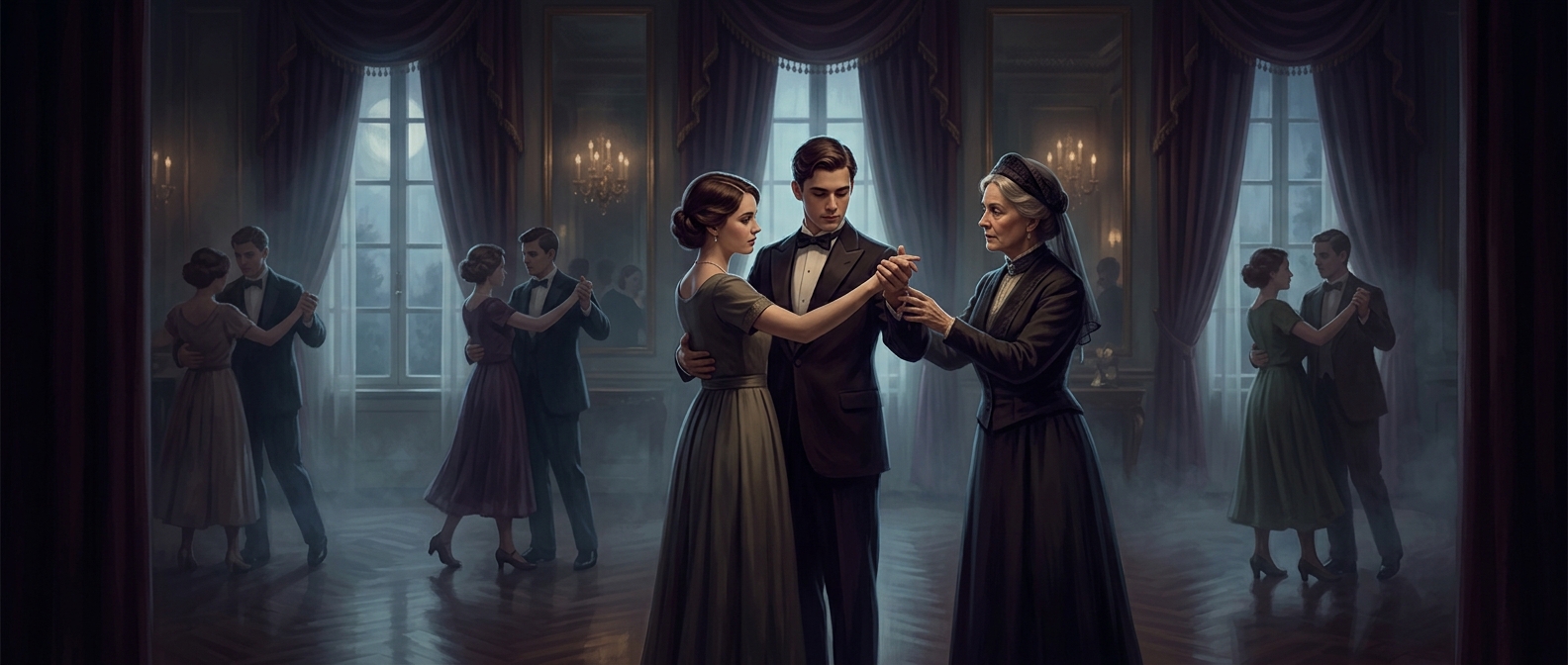
For many schools, a formal dance was more than a night of music. It offered teenagers a supervised setting to rehearse the social behaviors adults expected them to use in public: greeting people, making conversation, sharing a meal politely, and treating a dance partner with consideration.
The lesson was built into the event. Formal clothes marked the occasion as different from an ordinary school gathering; teachers or other chaperones could model and enforce standards of conduct. If dinner was part of the evening, students had a chance to practice table manners. If they danced, they had to navigate invitations, introductions, and changing partners face to face.
Why hold the lesson at a dance?
Etiquette is easier to teach when people have to use it. A classroom can explain how to introduce yourself, but a crowded room gives students a reason to try—and a chance to learn how to recover when conversation stalls or a social cue is missed. Adult supervision made the practice feel safer and kept the event within boundaries set by the school and families.
That did not mean every student experienced the dance as a lesson, or that every prom included a meal or formal etiquette instruction. The broader idea was to make a school celebration do double duty: offer recreation while giving teenagers a structured rehearsal for adult social life. In that sense, the evening’s most important training could happen between the songs, while students learned how to make an unfamiliar person feel welcome.