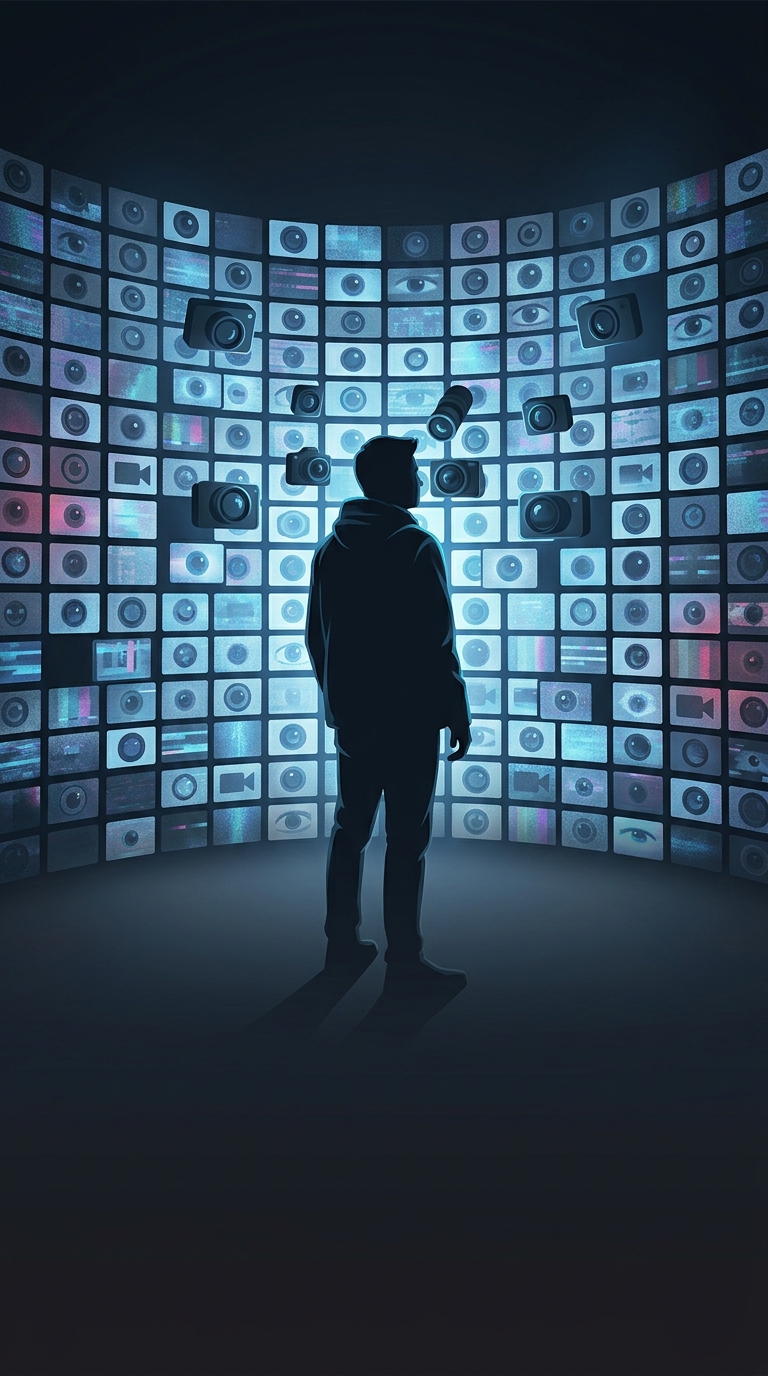
When Everyday Life Seems Like a Show
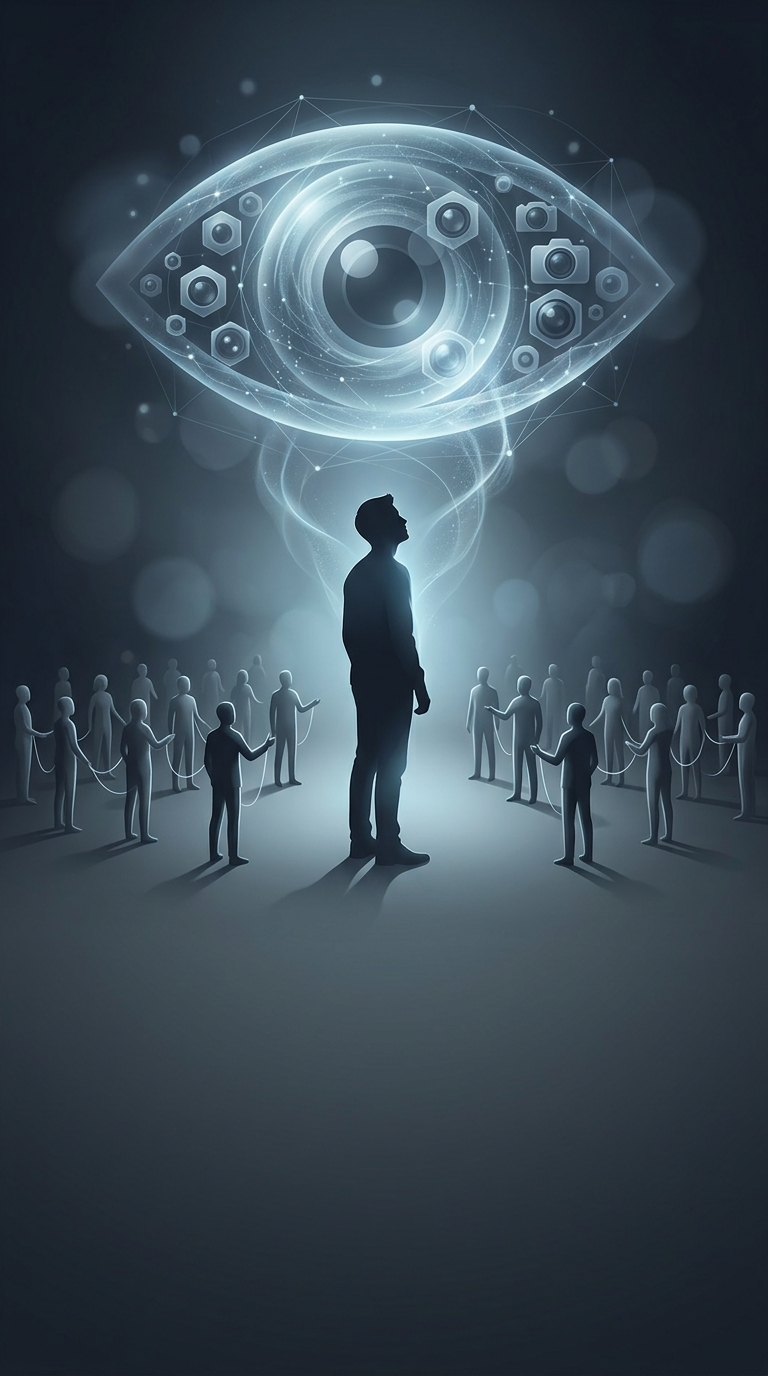
The phrase “The Truman Show delusion” describes a disturbing belief that one’s ordinary life is secretly being filmed and broadcast, often with other people acting as part of the production. The name comes from the 1998 film The Truman Show, whose protagonist gradually realizes that his entire life is a television program.
The label gives clinicians and researchers a compact way to discuss a particular kind of delusional belief: not simply feeling watched or worrying about privacy, but being convinced that a hidden audience is following a staged version of one’s life. The film made that scenario easy to recognize, but it did not create the underlying mental-health experience.
Why the Film Became a Useful Name
A delusion is a firmly held belief that persists despite strong evidence against it. In this case, ordinary events—strangers’ remarks, cameras in public places, or coincidences—may be interpreted as clues that a production is underway. Once that explanation takes hold, the person can experience routine interactions as scripted and private moments as performances.
The term is a descriptive label, not a diagnosis on its own. People can feel watched or fear exposure for many reasons, and those experiences are not automatically the same as this specific belief. The distinction matters because the phrase names the content of an experience; it does not explain its cause or determine what care someone needs.
A Cultural Story With Clinical Uses
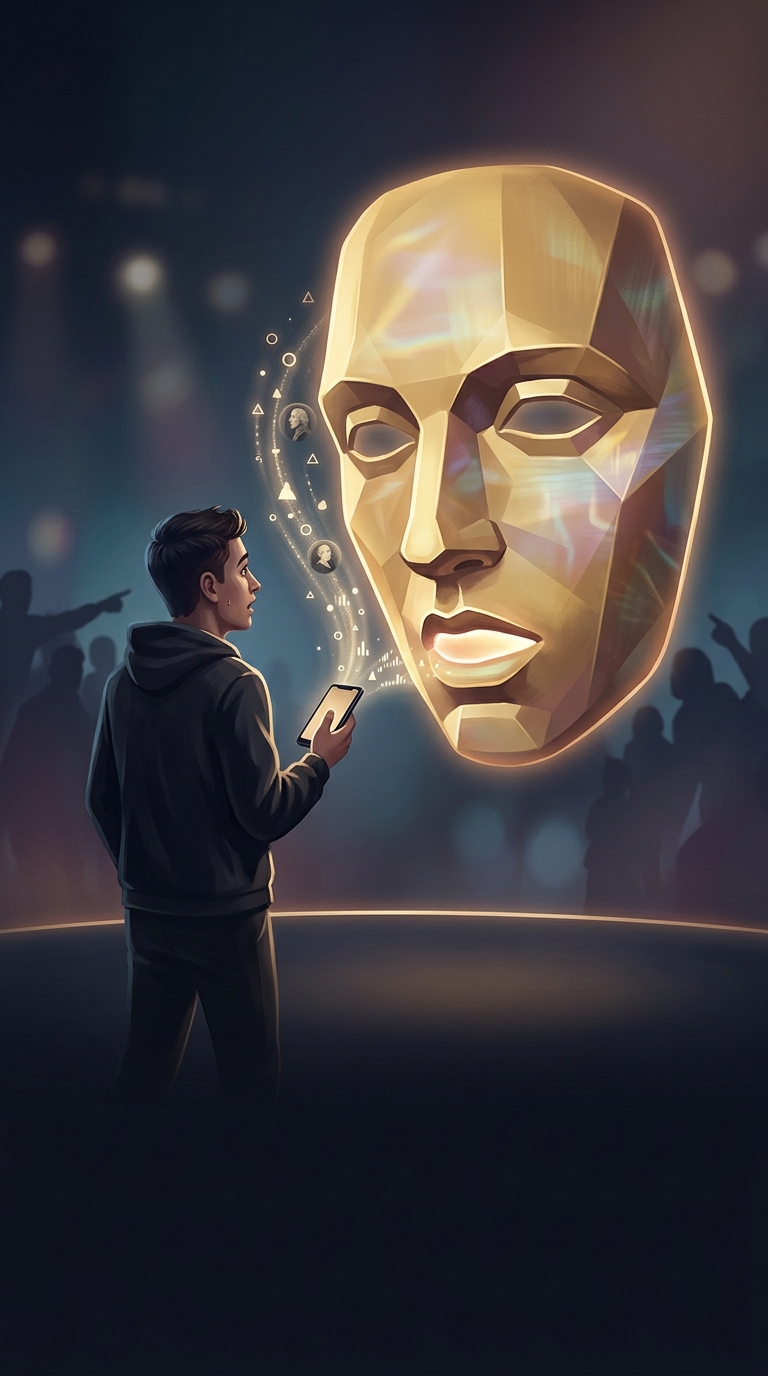
The film supplies a vivid template for describing an otherwise hard-to-explain fear: a life that looks normal from the inside but is supposedly arranged for viewers. That shared reference can make the belief easier to discuss, while also reminding readers that a compelling movie premise can resemble a real person’s distress. The unsettling implication is that, for someone who holds the belief, the audience is not an entertaining plot device—it is part of the world they believe they are living in.