Why Heimlich thought malaria’s fever might help
Henry Heimlich’s idea rested on a real feature of infection: fever is part of the body’s immune response. When the body detects certain infections, it raises its temperature and activates defenses. Heimlich reasoned that deliberately triggering a strong fever might make the body better able to fight diseases such as HIV or cancer.
But a fever is a response to illness, not a treatment that selectively targets another disease. HIV persists by infecting immune cells, including cells that coordinate the body’s defenses. Making someone ill with malaria does not direct those defenses specifically against HIV; it adds a second infection that the body must also contend with.
The cost of turning an idea into an infection
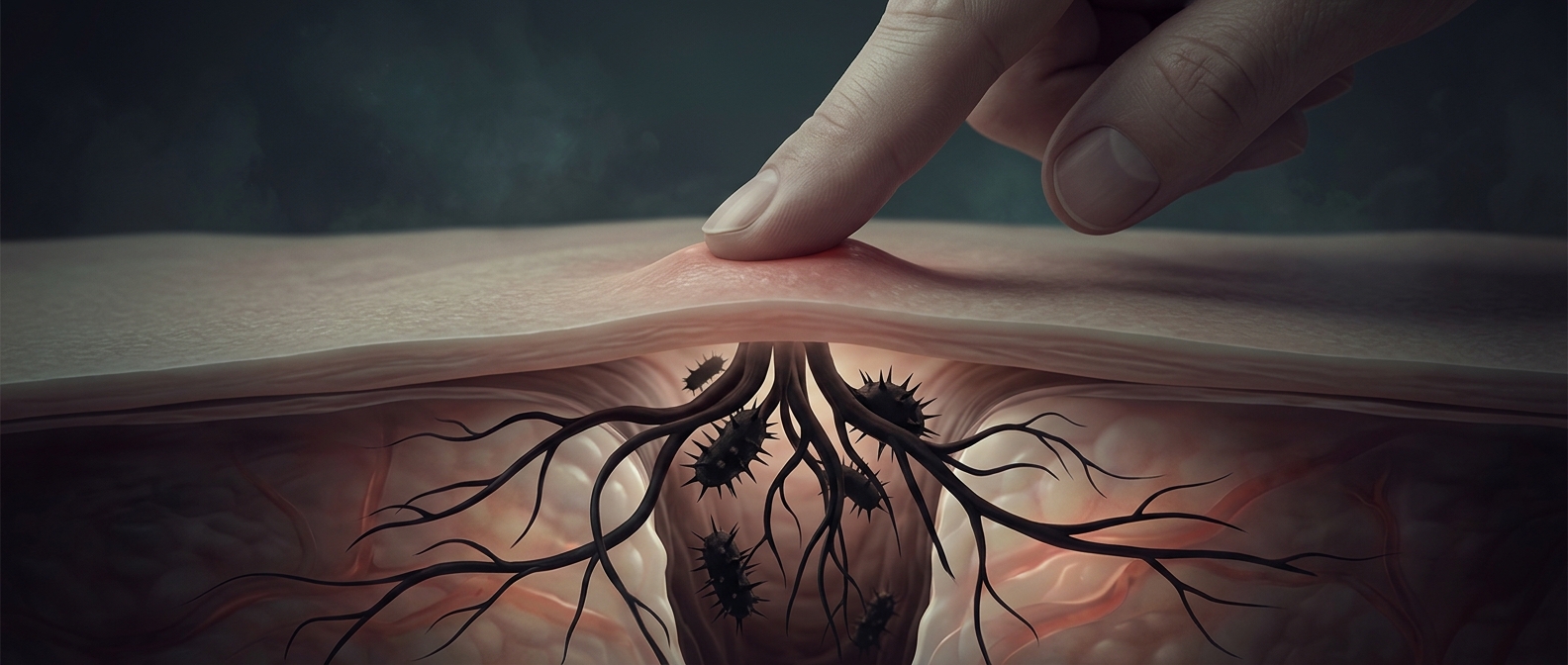
Malaria is caused by parasites that spread through the bloodstream and can produce recurring bouts of fever. Deliberately infecting patients therefore meant exposing them to an illness with its own serious risks, in the hope that the resulting fever would have a therapeutic effect. The treatment did not cure the patients.
The episode illustrates a crucial distinction in medicine: a bodily reaction can be part of fighting disease without being safe or effective to provoke on purpose. A fever may signal that the immune system is responding, but raising one by introducing malaria also gives the patient another disease to fight.