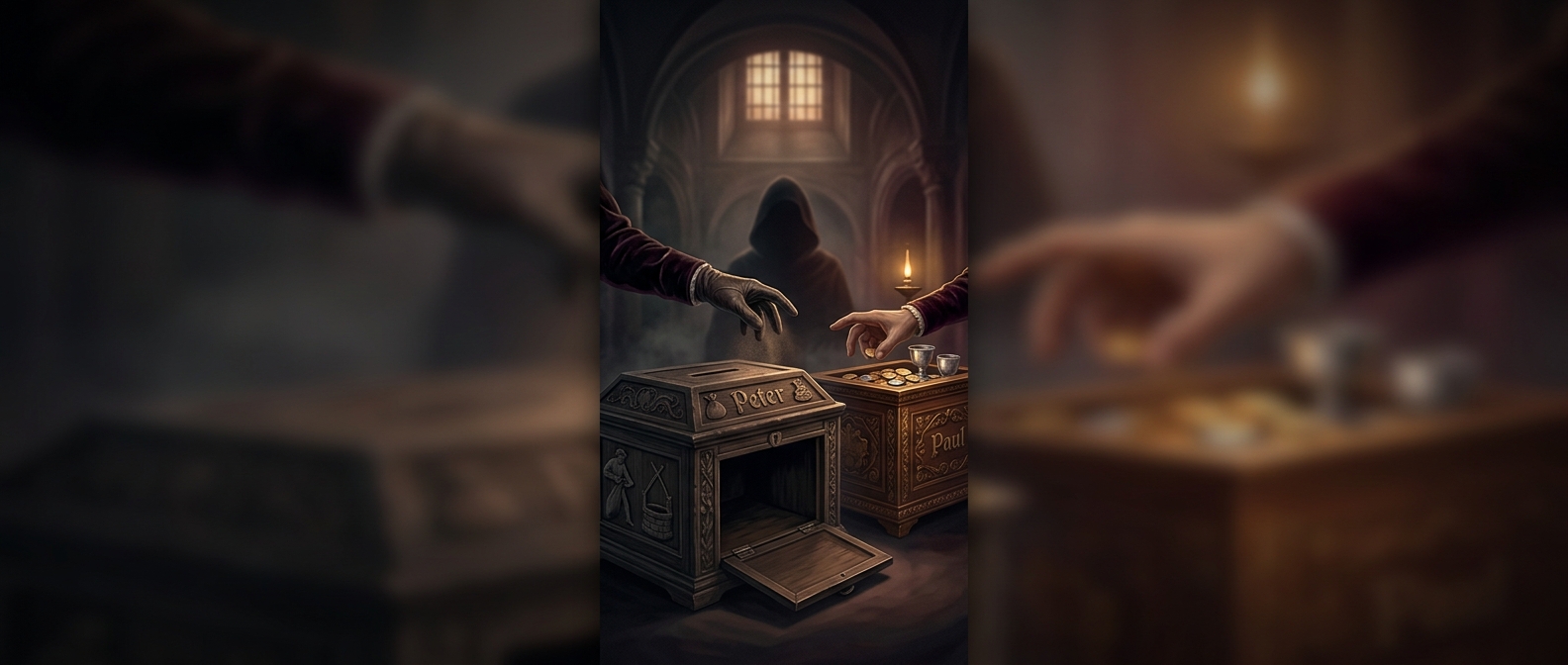
How a mistaken attribution can raise a painting’s price
A painting’s market value depends partly on what buyers think it is. If a respected expert incorrectly identifies a work as the creation of a sought-after artist, that judgment can change the painting’s perceived category—from an anonymous canvas to a potential work by someone whose paintings command higher prices.
The expert’s verdict acts as a signal. Buyers usually cannot verify an artist’s hand for themselves, so they weigh opinions, records of ownership, and the judgments of galleries or auction specialists. An authoritative attribution can make buyers more willing to bid, while an auction house may use it to present the work to a broader market. The canvas stays the same; its newly strengthened claim to authorship changes the competition around it.
The value is built on confidence—and can unravel
That higher price is not simply a reward for the expert’s mistake. It reflects the market’s belief that the attribution is credible. If later research shows that the painting is a copy or forgery, buyers may withdraw, and the work can lose much of the value that depended on the famous name. Questions about who made it, when, and how it entered the market become financially consequential.
This is why expertise has economic power even when it is fallible: a verdict can help turn uncertainty into a saleable claim. But the price premium is fragile. If the judgment that supported it fails, the value can fall just as sharply as it rose.