The paperwork was the weak link
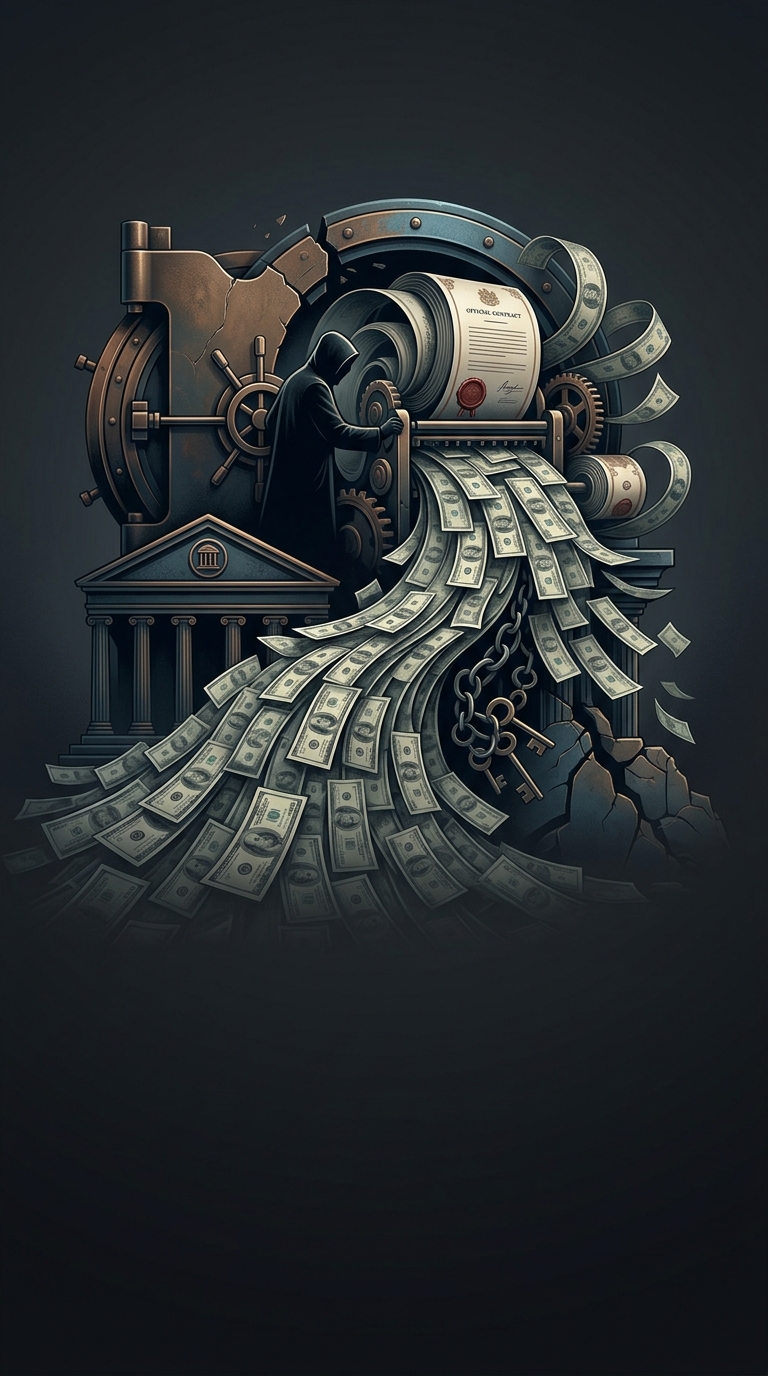
Printing national currency is not simply a matter of copying a design. A printer also needs authorization: documents that identify who has ordered the notes, how many are required, and where they should go. Artur Alves dos Reis focused his fraud on that administrative chain. By presenting forged contracts as legitimate orders, he persuaded a London banknote printer to make notes that were physically genuine but had never been authorized by Portugal’s central bank.
That distinction made the scheme unusually difficult to spot at the point of production. The printer was not being asked to reproduce currency illegally; it was carrying out what appeared to be a valid commission. The security of the notes themselves could not protect the system from a false claim that the institution had ordered them.
When genuine money becomes a threat
Once the unauthorized notes entered circulation, they looked and functioned like ordinary money. The danger was not that shopkeepers would immediately recognize crude fakes. It was that extra notes could expand the supply of currency without the central bank’s knowledge, while uncertainty about which notes were legitimate weakened confidence in all of them.
The episode exposed a basic economic vulnerability: currency depends on more than ink, paper, and anti-forgery features. It also depends on trusted procedures connecting an order to the authority that supposedly issued it. Reis exploited that gap between authentic production and legitimate authorization—and showed how a convincing paper trail could turn a reputable printer into an unwitting participant in a financial fraud.