Why the Paper Gave Them Away
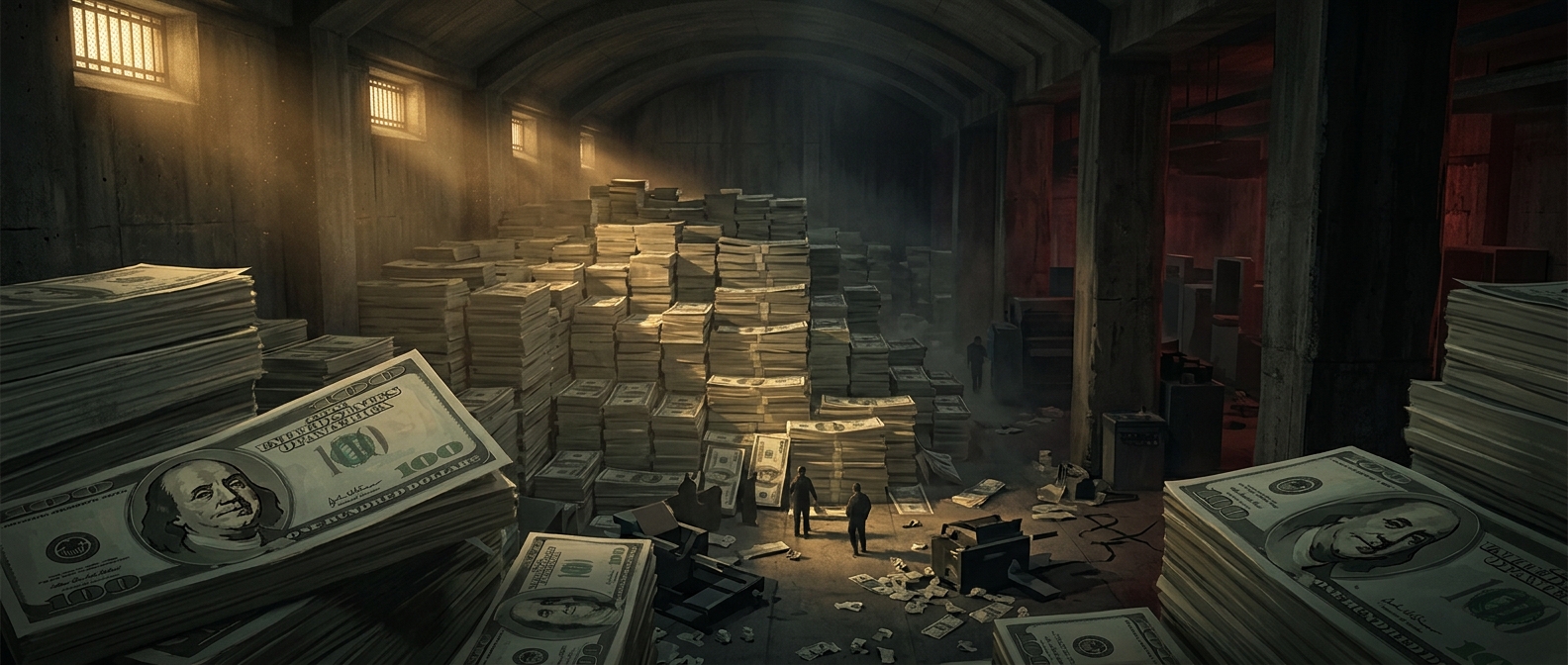
A U.S. $100 bill is more than a portrait printed on paper. Its substrate—the material the note is made from—and its fine-line printing are part of its security. Genuine U.S. currency paper has a distinctive feel, while the portrait is produced with detailed engraved lines that are difficult to reproduce sharply with ordinary printing.
The watermark is another built-in check: it is formed within the paper and becomes visible when the note is held up to light. A counterfeit made on cheap stock could not convincingly imitate that feature simply by copying the design onto the surface.
A Copy That Failed Close Inspection
Those weaknesses made the Saddam Hussein-era fakes vulnerable to quick checks. Cheap paper could feel wrong, a missing watermark stood out against the light, and a blurry portrait betrayed the limits of the reproduction. Someone did not need to decipher tiny lettering or compare every detail; the basic materials and image quality already raised doubts.
That is the practical advantage of layered security. A counterfeit may resemble a real bill from across a counter, but it must also imitate how the note feels, how its image is made, and what appears inside the paper. These fakes fell short on several of those tests at once.