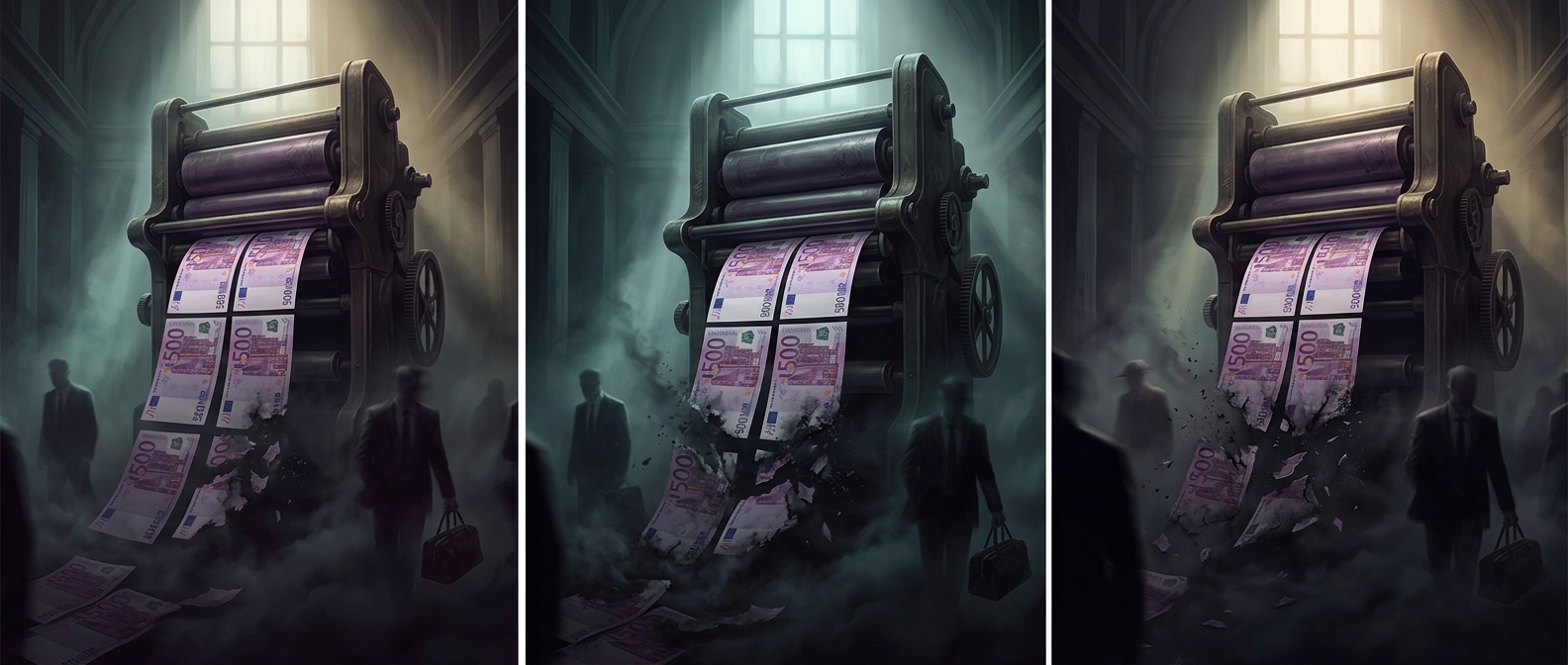
The denomination is a risk calculation
A counterfeiter does not simply want the largest possible bill. The useful question is how much value a note can deliver before someone notices it is false. A higher denomination raises the potential take from each note, but it can also make a cashier more likely to pause, inspect it, or call a manager. If that extra scrutiny raises the chance of detection, the larger face value may not translate into a better return.
A $20 can occupy a practical middle ground: it has meaningful purchasing power, yet it is an ordinary part of many cash transactions. Familiarity matters. When a note fits the size of a routine purchase, it may attract less attention than one that seems unusually large for the setting. That is an advantage in concealment, not a guarantee of acceptance.
Why ordinary transactions matter
The bill’s value is only useful if it enters circulation. A note that is immediately checked, rejected, or reported cannot be spent successfully. Counterfeiters therefore face a tradeoff between value per note and the likelihood that the note will pass unnoticed. They also risk losing the note and facing criminal consequences if caught, so the calculation is about avoiding detection as much as maximizing the amount printed on the paper.
Cashiers and businesses can interrupt that calculation by checking a bill’s security features rather than relying on denomination or appearance alone. A note that seems plausible at a glance may still fail a closer check. The middle-ground appeal of a $20 is ultimately a weakness in human attention: routine can make a familiar bill seem unremarkable, even when it deserves inspection.