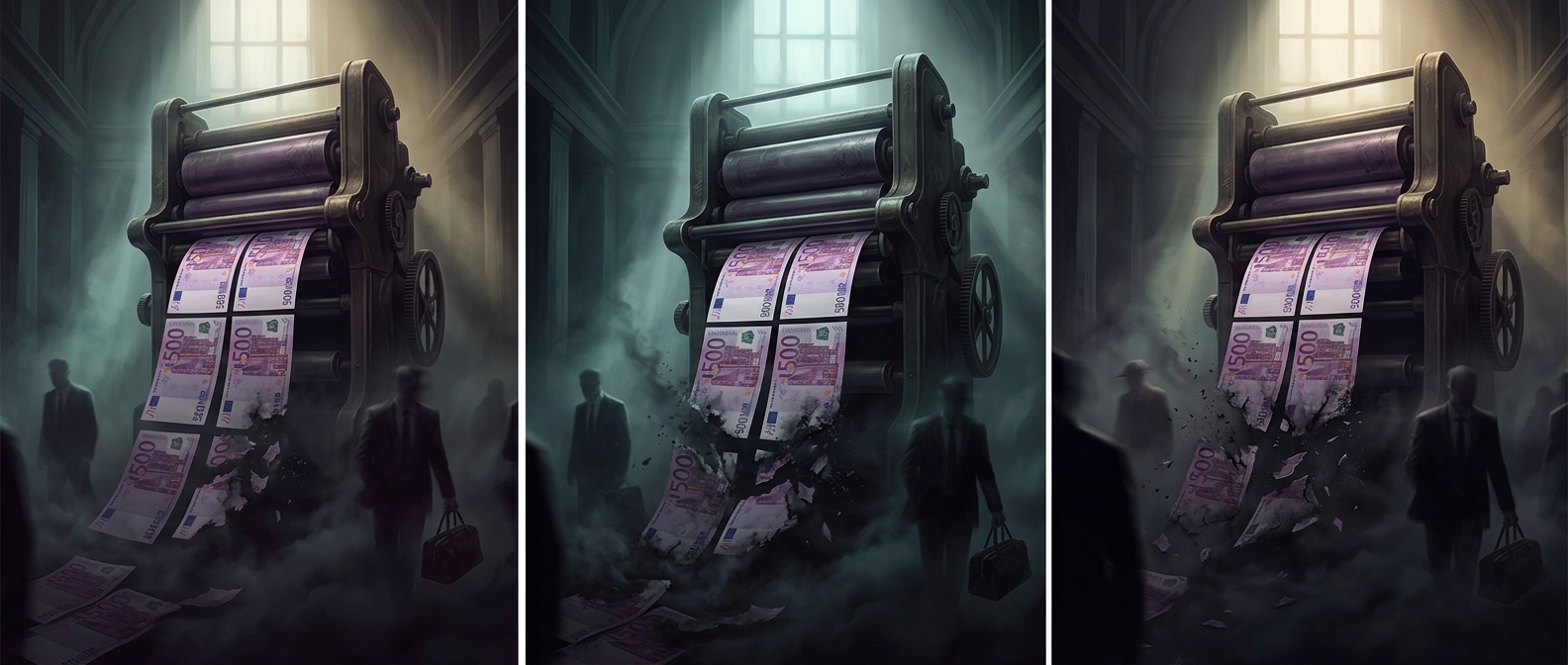
Why Europe phased out the €500 note
A high-denomination banknote makes a large amount of cash easier to move and conceal. That feature can be convenient for storing wealth, but it also makes cash-based crime harder to detect: a compact bundle can represent a sum that would require far more space in smaller bills. Authorities worried that this made the €500 note especially useful for money laundering and other illicit transactions.
The European Central Bank (ECB), which oversees euro banknotes, decided to stop producing and issuing the note. The final phase-out took effect in 2019. It was a targeted change to the cash system, not a ban on using cash altogether.
Stopping issuance is not the same as invalidating the note
The distinction matters. Banks no longer distribute newly issued €500 notes, but existing notes remain legal tender. They can still be used for payments, and national central banks continue to exchange them. That gradual approach avoids suddenly making people’s legitimate savings unusable while reducing the supply of a denomination viewed as unusually convenient for illicit cash movements.
The policy also had a tradeoff: people who valued large notes for lawful reasons lost a convenient way to carry or store substantial sums. But removing the denomination did not make criminal finance impossible; it made one particularly compact tool less available. The notable result is that a bill can disappear from everyday circulation without becoming worthless overnight.