The person viewers rarely see on a late-night show
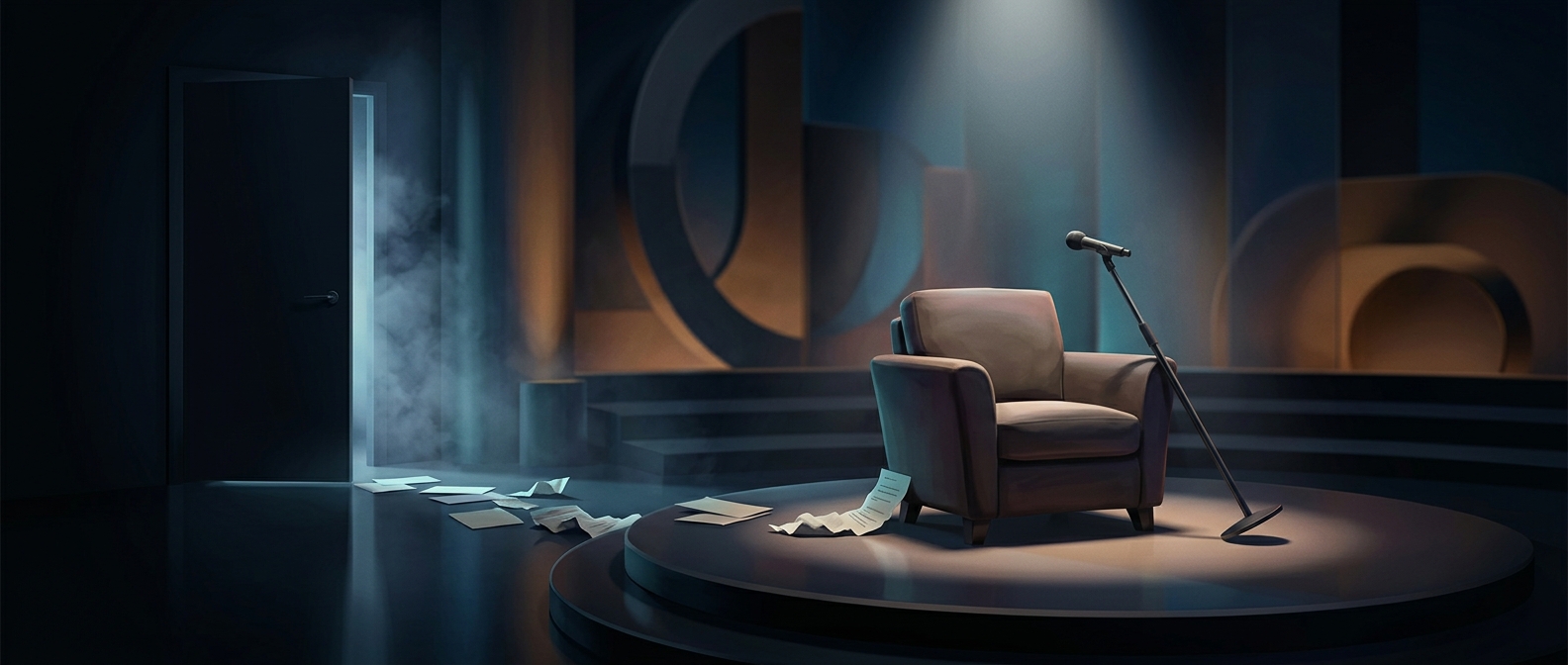
A host’s on-screen warmth is only one part of a late-night program. Behind each monologue and interview is a workplace where writers pitch jokes, take revisions, and depend on senior figures for assignments and professional opportunities. That imbalance can make a host’s alleged treatment of staff matter beyond the tone of daily rehearsals: it can affect whether people feel able to object or speak openly about their work.
When the public persona becomes part of the story
The allegations created a sharp divide between the host audiences knew and the working environment writers described. That contrast is especially potent in comedy, where a friendly persona can feel like evidence of the person’s character—even though performing affability on camera does not tell viewers how power is used off camera.
A resignation after such allegations is consequential because it changes the question from whether the claims will draw attention to who will lead the show and what the workplace will become. It is a major professional consequence, but by itself it does not establish the truth of every allegation. The episode leaves a lasting reminder: a television personality’s public image and the experience of employees working under that person are separate things.