Why an overhead bin needs more than a strong door
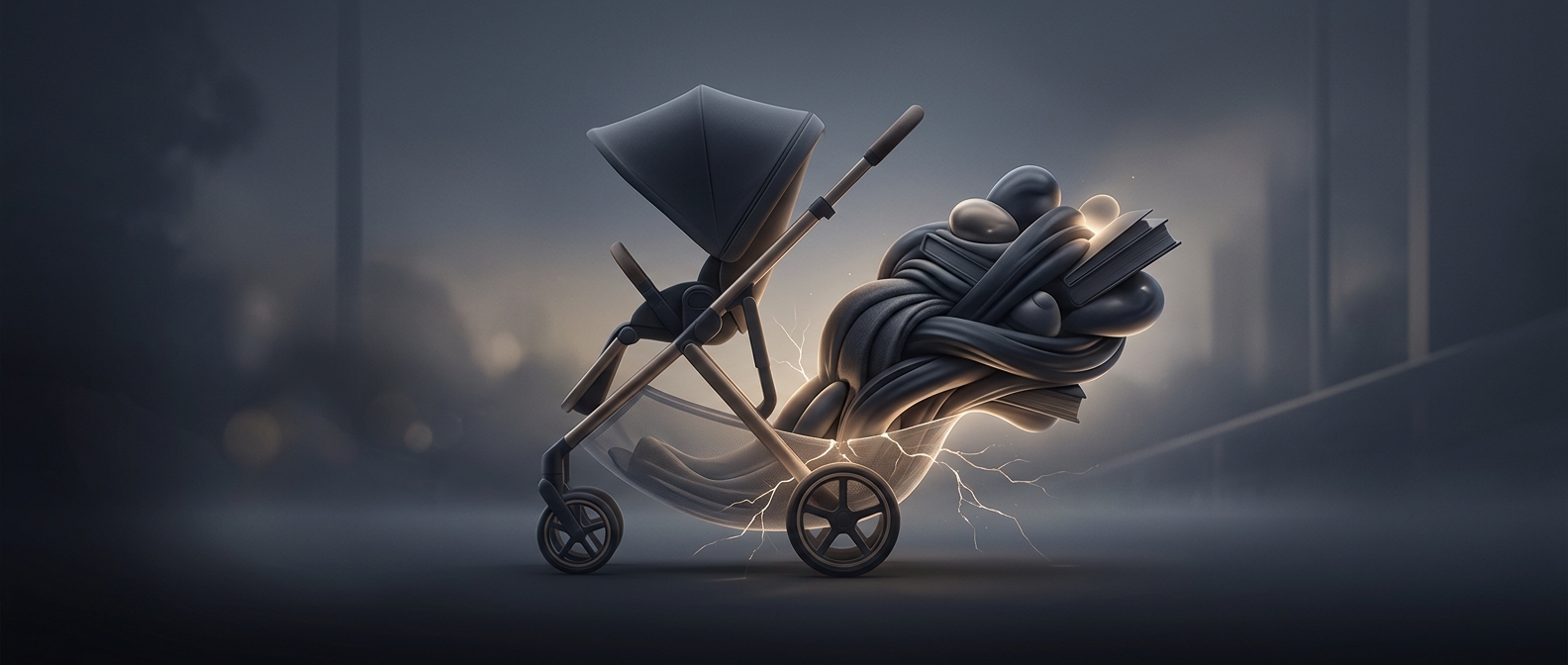
In a sudden stop, a loose suitcase does not simply settle into place. Its momentum carries it forward, and the faster the aircraft changes speed, the harder the bag can strike whatever is in its path. A bag that seems harmless while resting above the seats can become a heavy projectile if the bin opens or breaks during an emergency landing.
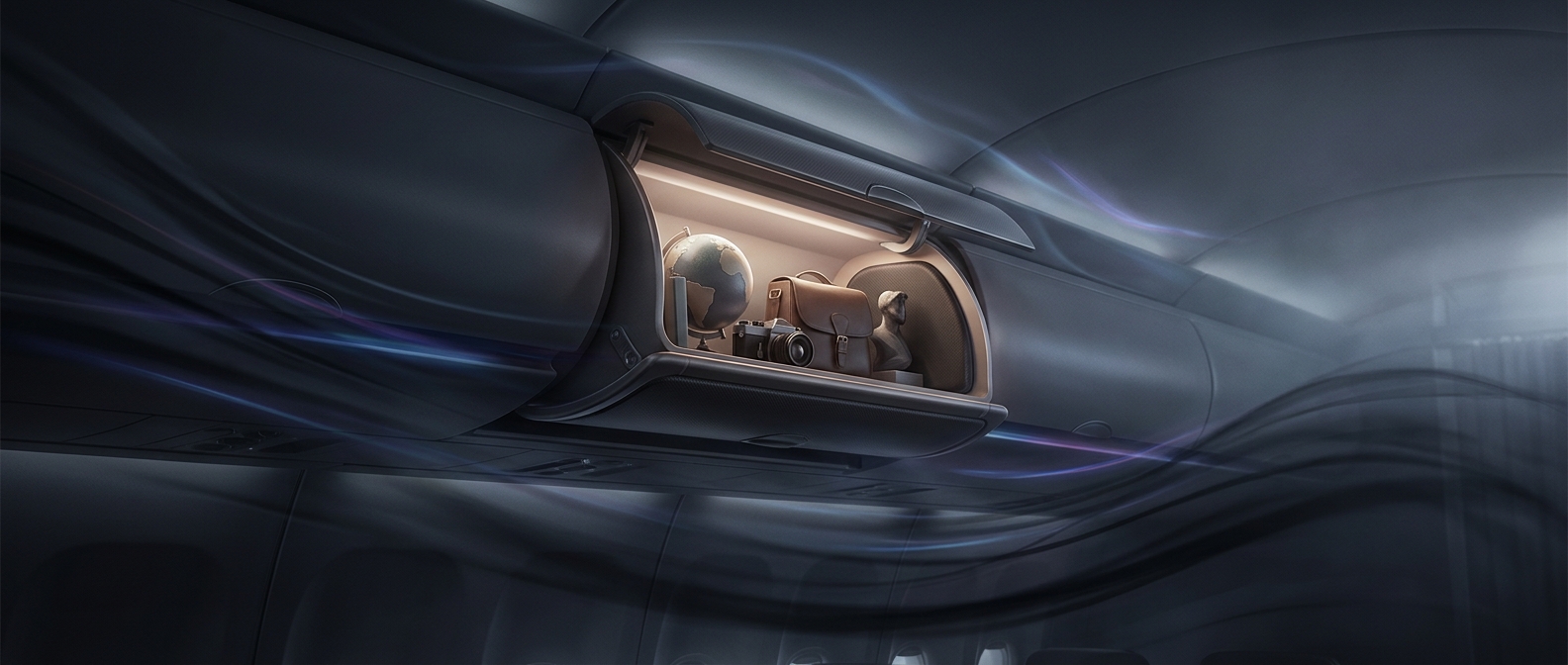
That is why the bin is treated as part of the cabin’s restraint system—not just as storage. Its door, hinges, latch, and supporting structure must work together to keep baggage inside when the aircraft is jolted. A stout-looking latch alone is not enough if the door or its attachment points cannot take the load.
The test is about keeping the whole system closed
During testing, bins are loaded and subjected to severe forces intended to represent the abrupt deceleration and impacts of an emergency landing. Engineers check whether the assembly stays intact and whether the bags remain contained. The challenge is not merely to prevent damage to the bin; it is to stop its contents from spilling into the cabin, where they could injure passengers or obstruct movement.
That requirement shapes everyday design. Bins need to open easily for passengers and crew, yet close securely enough that a sudden jolt does not turn convenience into a hazard. The latch is the visible part of that compromise, but it depends on the door and bin structure behind it.
Why the restraint matters
In a crash or hard landing, people are protected by seats and belts, but unsecured objects can still move independently. Keeping carry-on bags contained reduces the chance that they will strike someone or block an aisle when people may need to get out. The bin’s job, then, is not simply to keep your suitcase out of a neighbor’s space: it is to keep heavy cargo from becoming a force moving through the cabin.