Why a jet cabin has its own “altitude”
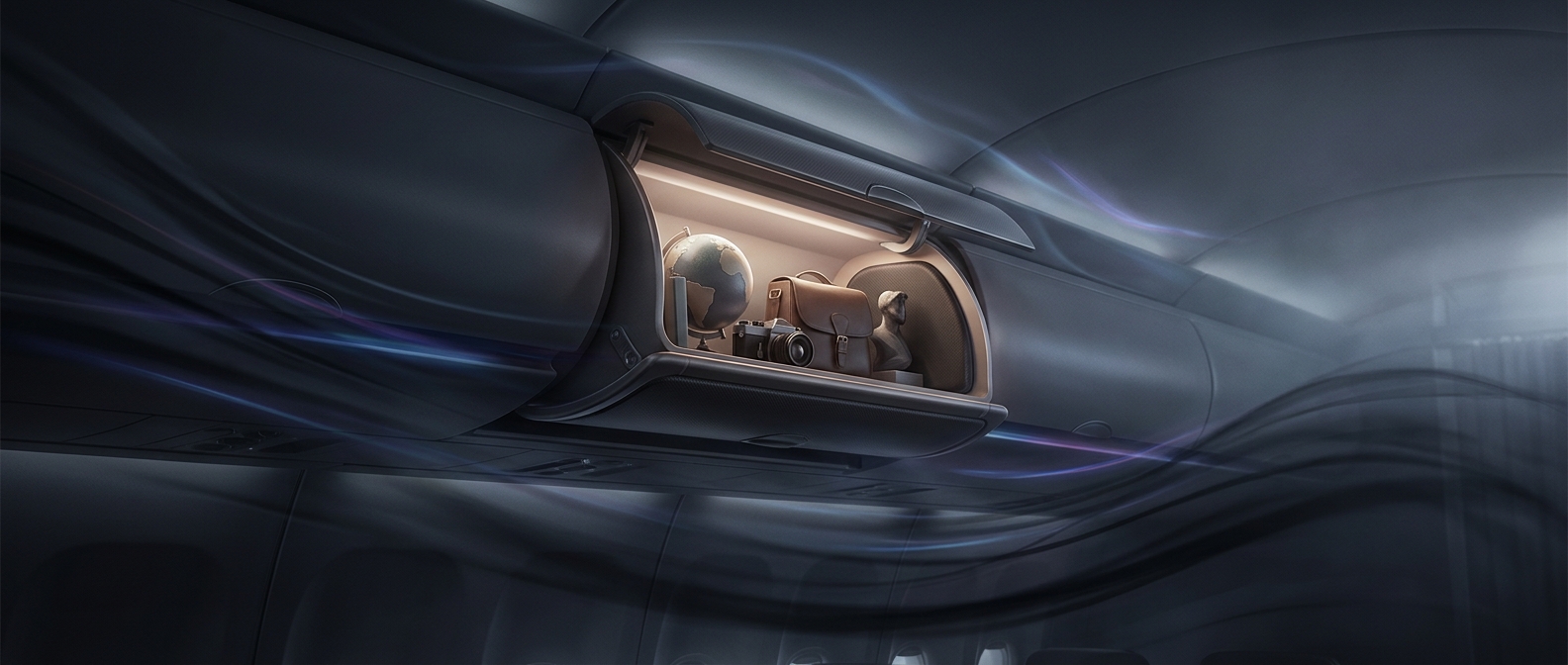
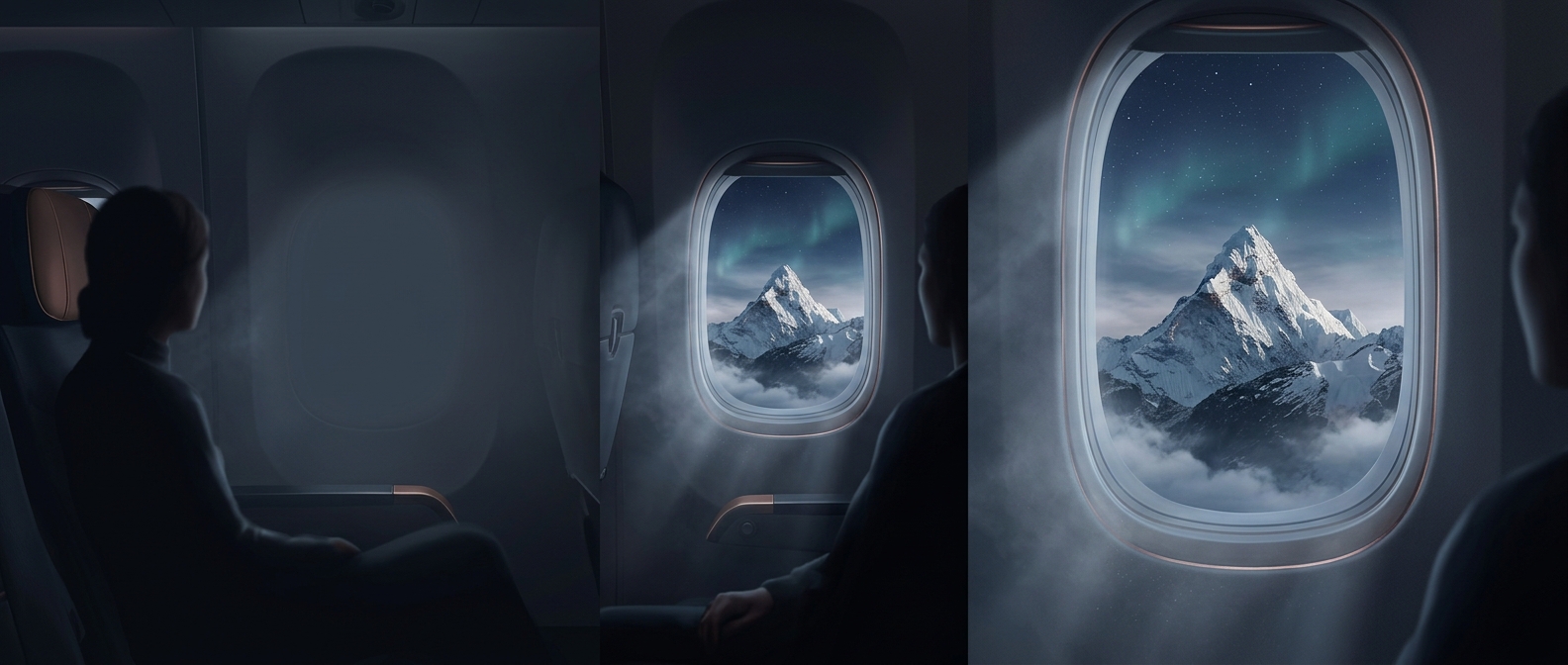
As an airliner climbs, the air outside becomes far too thin for people to breathe comfortably without help. The cabin is sealed well enough to hold a denser supply of air, but it is not kept at sea-level pressure. Instead, the pressure is allowed to fall gradually, so the cabin feels like a place several thousand feet above the ground.
That cabin altitude is a compromise. Keeping the cabin at sea-level pressure throughout a flight would mean a larger pressure difference between the inside and outside of the aircraft. The fuselage would have to withstand more stress on every trip, so it would need to be stronger and heavier. A higher cabin altitude reduces that load while still providing breathable conditions for most passengers.
The fuselage works like a controlled container
Air-conditioning and pressurization systems supply conditioned air to the cabin. The system does not simply seal the plane and pump air in without limit: valves regulate how quickly air leaves, balancing the incoming supply against the pressure outside. As the aircraft climbs, the cabin pressure drops in a managed way; during descent, it rises toward the pressure at the destination.
The fuselage flexes slightly as the pressure difference changes. That repeated loading is one reason aircraft are designed around a cabin-pressure range rather than an effort to reproduce conditions at sea level. Pressurization makes high-altitude flight practical, but the lower cabin pressure is part of the engineering bargain: passengers get a usable atmosphere without asking the aircraft to carry the extra structure that sea-level pressure would require.