How a Lock Moves a Boat Between Water Levels
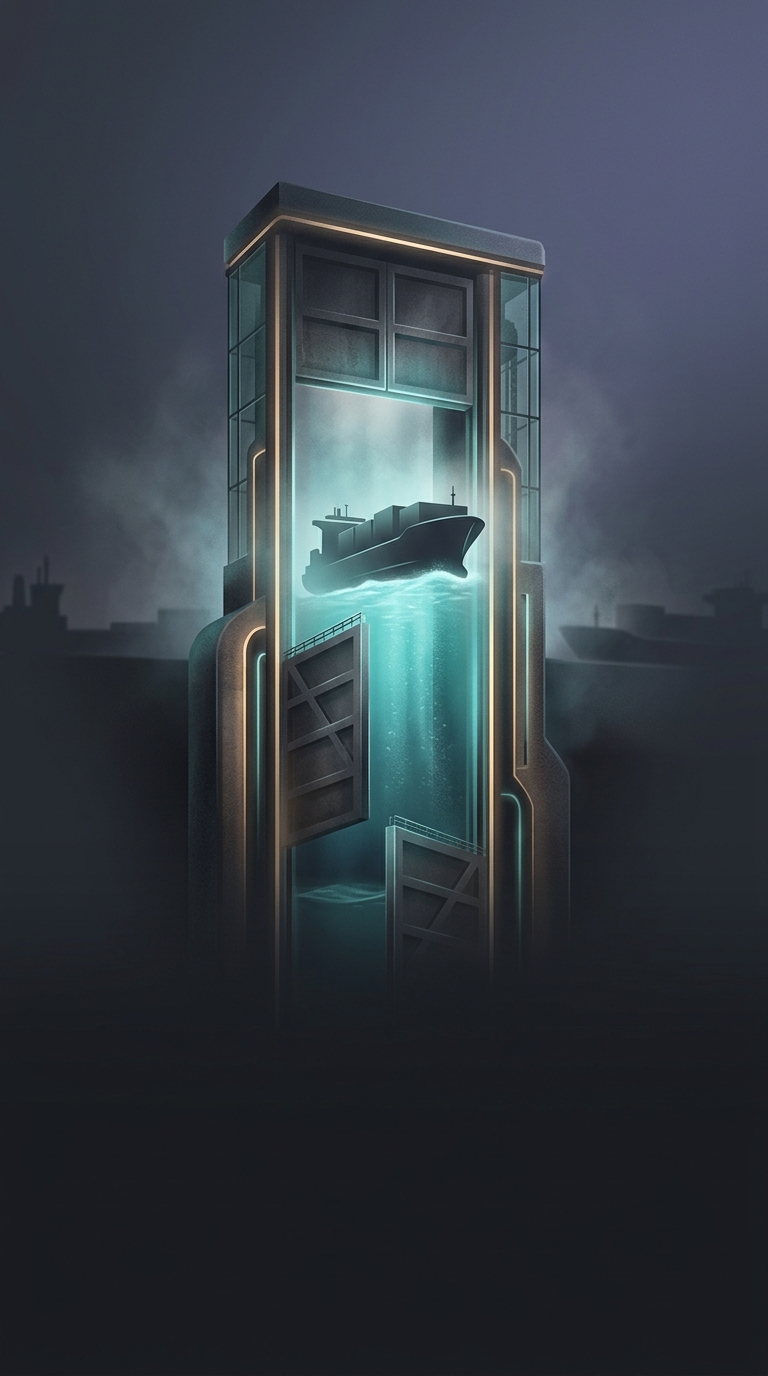
A canal lock solves a simple but stubborn problem: a boat cannot travel uphill through solid ground, and canals at different elevations cannot be joined by a steady slope of water. Instead, engineers build a chamber between them. Two sets of gates isolate that chamber from the higher and lower stretches of canal.
To raise a boat, the lower-side gate closes and water enters the chamber from the higher canal. The boat floats upward with the rising water. To lower it, water flows out toward the lower canal, carrying the boat down. The boat itself does not climb a ramp; its supporting water surface changes height around it.
Why Gravity Does the Work
The gates hold back water at different heights, so opening a passage between one canal and the chamber lets gravity move water from the higher side to the lower one. Valves or smaller openings control that flow; in many locks, no pump is needed to move the boat. When the water levels are nearly equal, the gate between them can open safely.
That matching matters because a gate separating unequal water levels must withstand the pressure of the deeper side. The heavy gates are arranged so water pressure presses them firmly against their supports. Operators do not open the next gate until the chamber and the adjoining canal are level enough for a safe passage.
The Tradeoff Built Into Every Passage
A lock uses water from the higher reach to lift boats, then releases chamber water into the lower reach. On a canal with a series of locks, that movement can gradually carry water downhill, so water supply and management matter as much as the gates themselves. A boat also has to wait while the chamber fills or empties and the gates cycle.
The result is an elevator with no cable or motor lifting the passenger: gravity shifts water between canal levels, and buoyancy carries the boat with it. Each trip up or down is made possible by moving water, not by forcing the boat over the hill.