How Cruise-Ship Fins Turn Motion Into a Counterforce
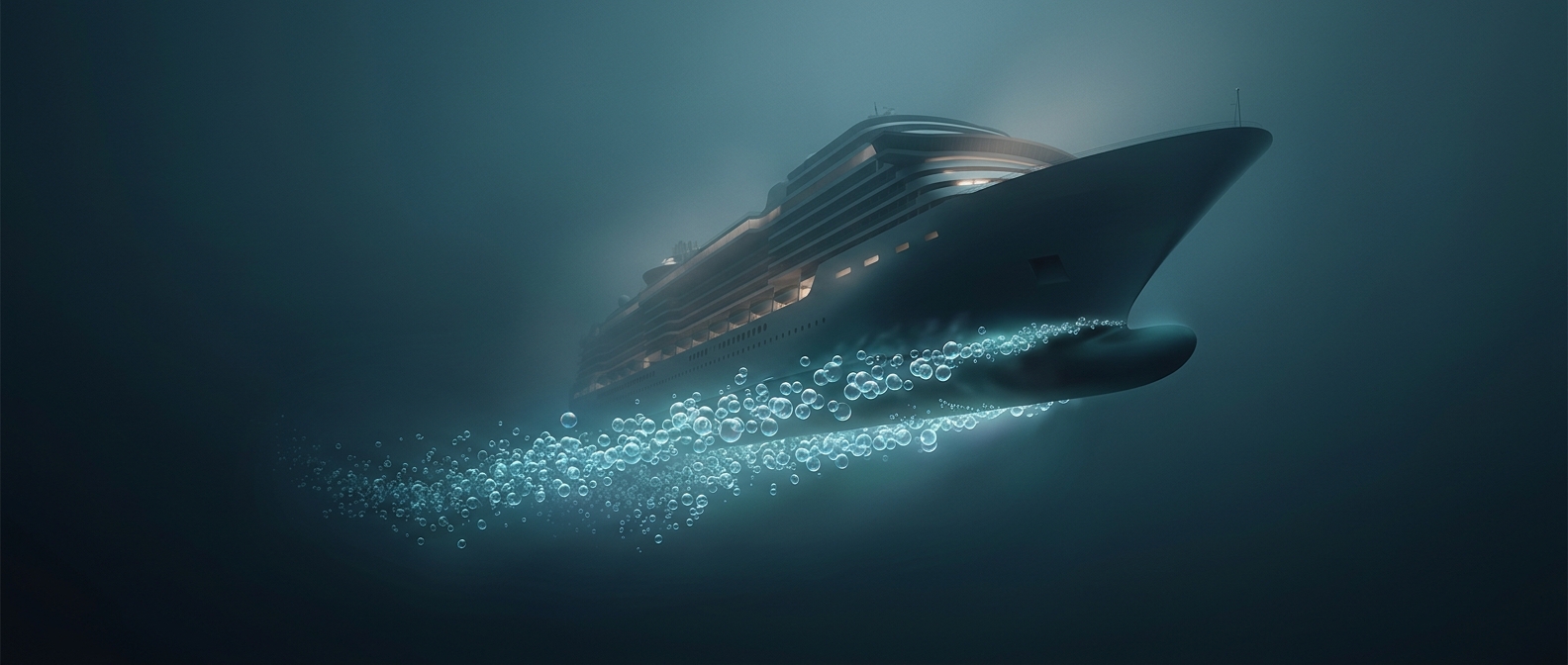
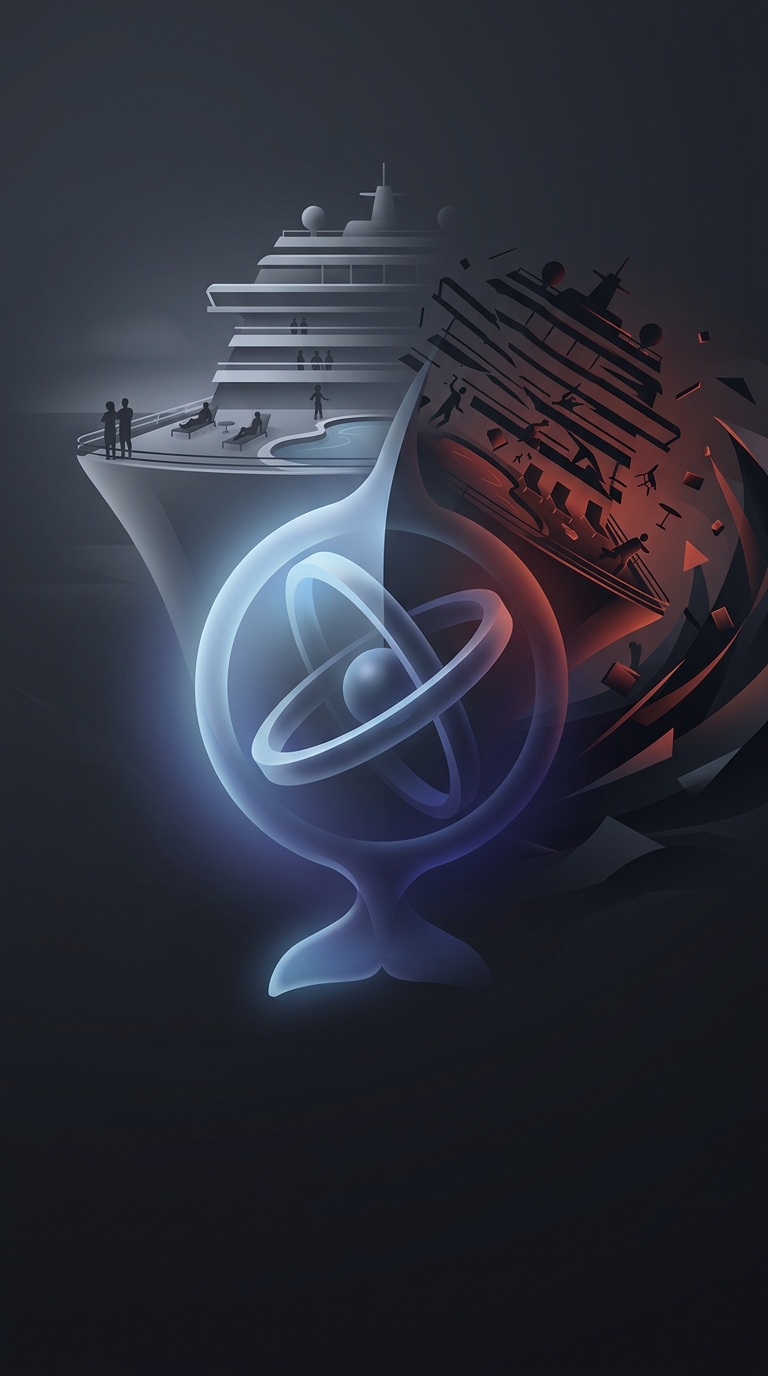
A ship’s stabilizer fins work by pushing against water moving past the hull, not by forming underwater outriggers. Each fin is a broad, movable blade extending from the ship’s side. As the vessel travels forward, water flows over the blade; changing its angle creates lift, a sideways force much like the force on an airplane wing. Because the fin sits below the waterline, that force can twist the hull against its rolling motion.
Sensors Make Small Corrections Quickly
The control system tracks how the ship is rolling and adjusts the fins’ angle to generate force in the opposite direction. Timing matters: a correction made at the wrong point in the roll could add to the motion rather than reduce it. The system therefore keeps making adjustments as the ship and waves move, rather than holding the fins at one fixed angle.
The fins do not cancel the sea’s movement or keep the hull perfectly level. They reduce the size and abruptness of the roll, making the motion more comfortable for passengers and helping objects and people aboard remain steadier. The ship still rises, falls, and responds to the waves.
The Tradeoff Beneath the Waterline
A fin creates resistance as it moves through water, so stabilization has an energy and speed cost. Its effectiveness also depends on the ship’s movement through the water: the forward flow over the fin is what makes its steering-like force possible. When not needed, many stabilizer fins can be drawn back into the hull, reducing drag and protecting them in port or in tight waters.
The visible result is modest—less side-to-side motion—but the engineering is continuous. A ship’s steadier ride comes from repeatedly converting its forward motion into carefully timed underwater force.