A long hull solves a different problem from a tall tower
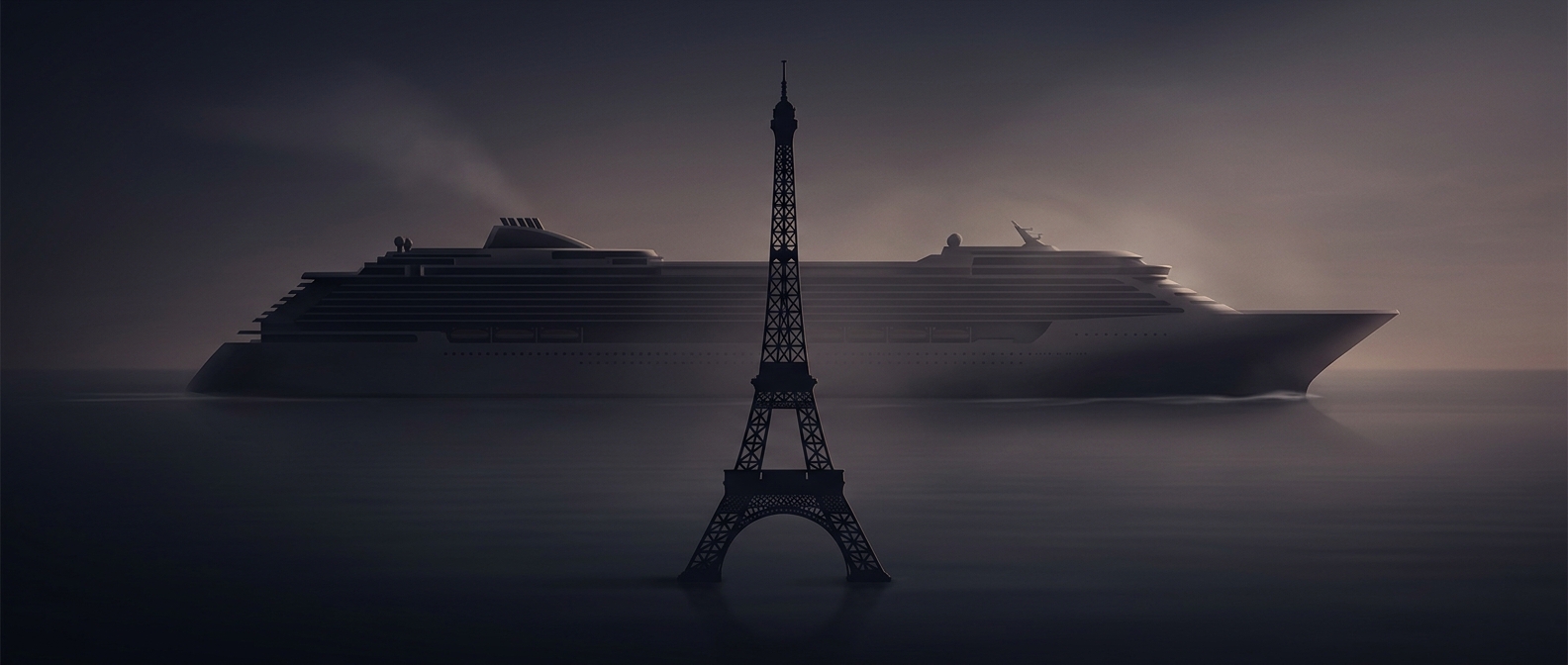
Comparing a cruise ship’s bow-to-stern length with the Eiffel Tower’s height puts two different dimensions on the same ruler. The ship’s length is measured horizontally along its hull; the tower’s height is measured vertically from the ground. The comparison is striking, but it does not mean the ship is tower-sized in every direction: it is broad and tall enough to carry decks, yet its unusual scale is chiefly its long footprint on the water.
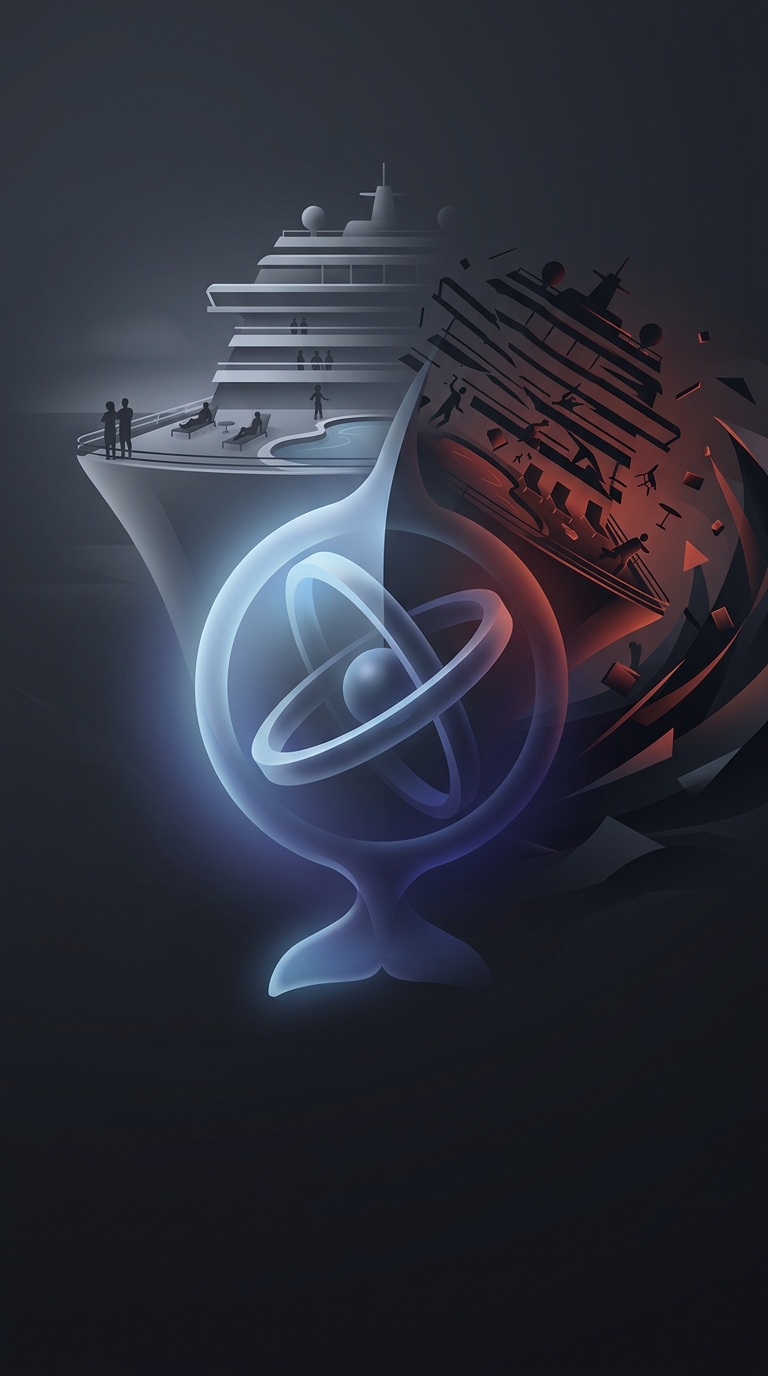
That footprint gives designers room to arrange cabins, public spaces, and the systems that keep a large vessel operating. But adding length is not simply a matter of attaching more ship. A hull in waves is pushed and supported unevenly, so its structure must resist bending as the front and rear encounter different conditions. The longer the vessel, the more important it is to manage those forces across the hull.
Size brings constraints as well as space
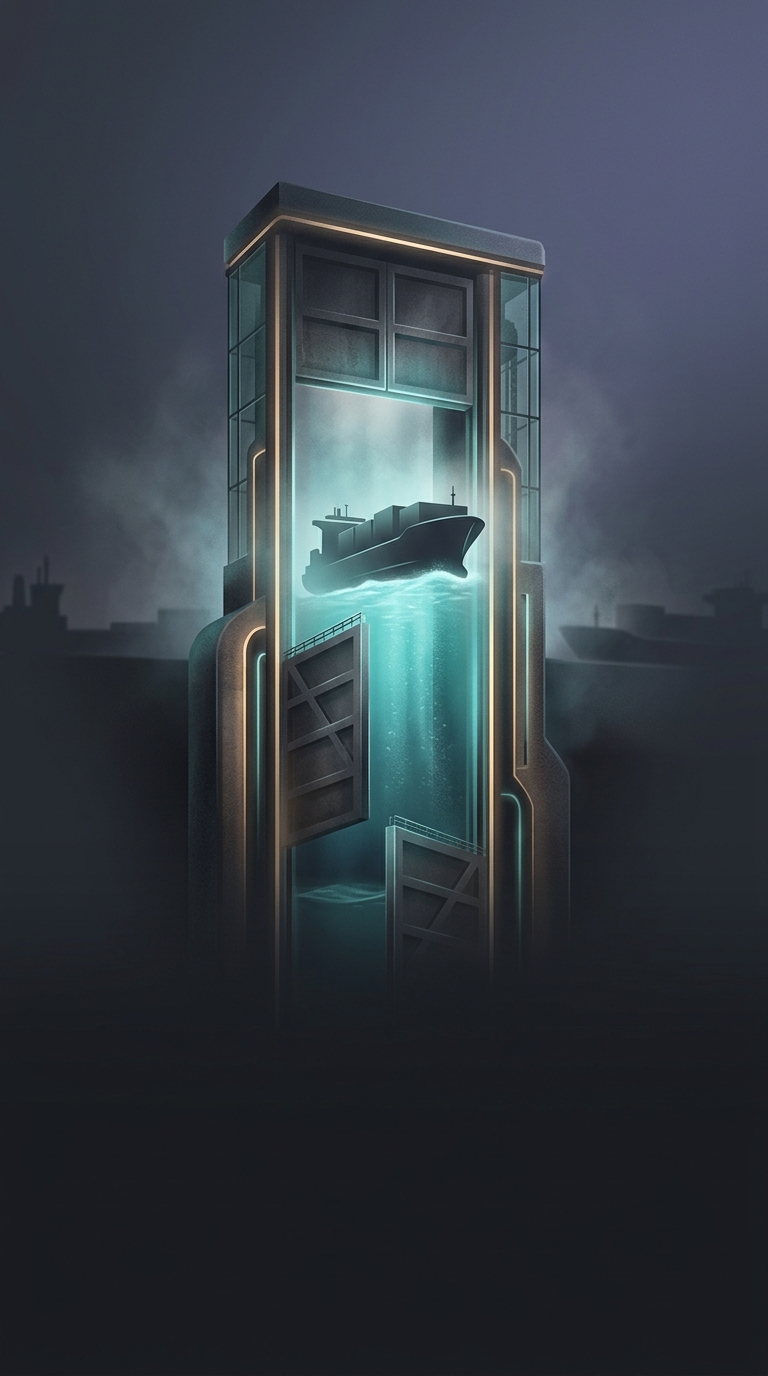
A very long ship also needs room to maneuver and places capable of accommodating it. Turning takes space, and ports must have suitable channels, berths, and infrastructure. Those limits help explain why a ship’s usable size is shaped not just by how many decks can be built, but by where it needs to sail and dock.
The memorable comparison therefore points to an engineering tradeoff: length can create space for a floating resort, while making the hull, navigation, and port access more demanding. The ship may outstretch a famous tower on a horizontal ruler, but it still has to fit through a waterway.