The working layers beneath a cruise ship
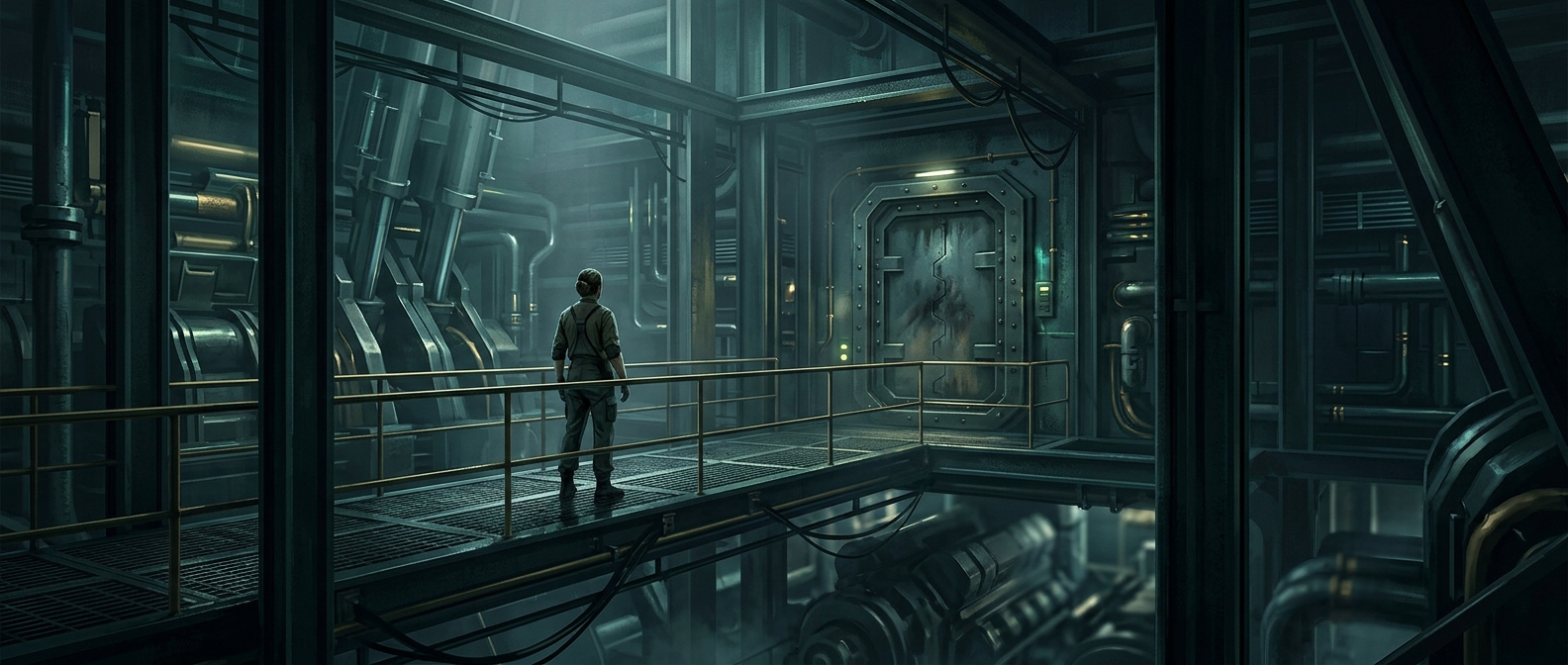
A cruise ship is arranged to keep passengers’ public spaces calm while a large industrial operation runs out of sight. Lower decks and enclosed service areas hold machinery, stores, workshops and crew facilities; their exact layout varies by ship, but the principle is consistent: supplies and systems must reach the places that need them without disrupting passenger areas.
Power has to reach every corner
On many modern cruise ships, engines drive generators that produce electricity. Electric motors then turn the propellers, while the same electrical system supports lighting, elevators, kitchens, air conditioning and navigation equipment. Other propulsion arrangements exist, but all require machinery spaces, controls and backup systems designed to keep essential functions running at sea.
That power also supports the ship’s less visible infrastructure. Pumps move fresh water and manage wastewater; ventilation equipment circulates air; and pipes and cables run through dedicated routes between decks. A failure in one system can affect far more than comfort, which is why crews monitor machinery and maintain equipment continuously.
A hotel needs a supply chain
Food arrives in bulk and must be stored, prepared and delivered to many dining areas. Laundry, cleaning supplies, replacement parts and waste all move through service routes as well. Crew cabins and work areas make it possible for staff to operate around the clock without having to cross passenger spaces for every task.
The result is a ship with two rhythms: the visible one of pools and restaurants, and the working one of deliveries, maintenance and waste handling. The holiday feels effortless partly because that second operation is coordinated out of view.