Why Smugglers Build Low, Not Deep
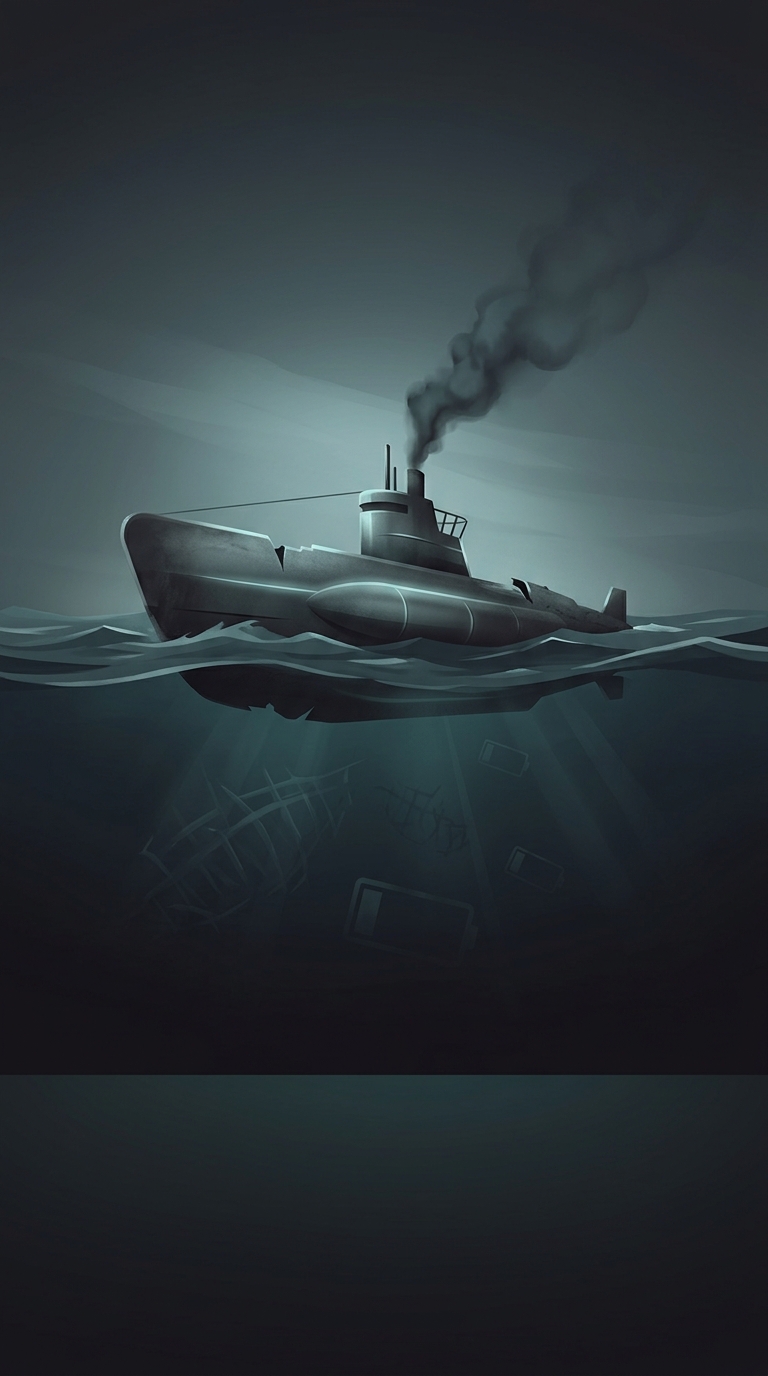
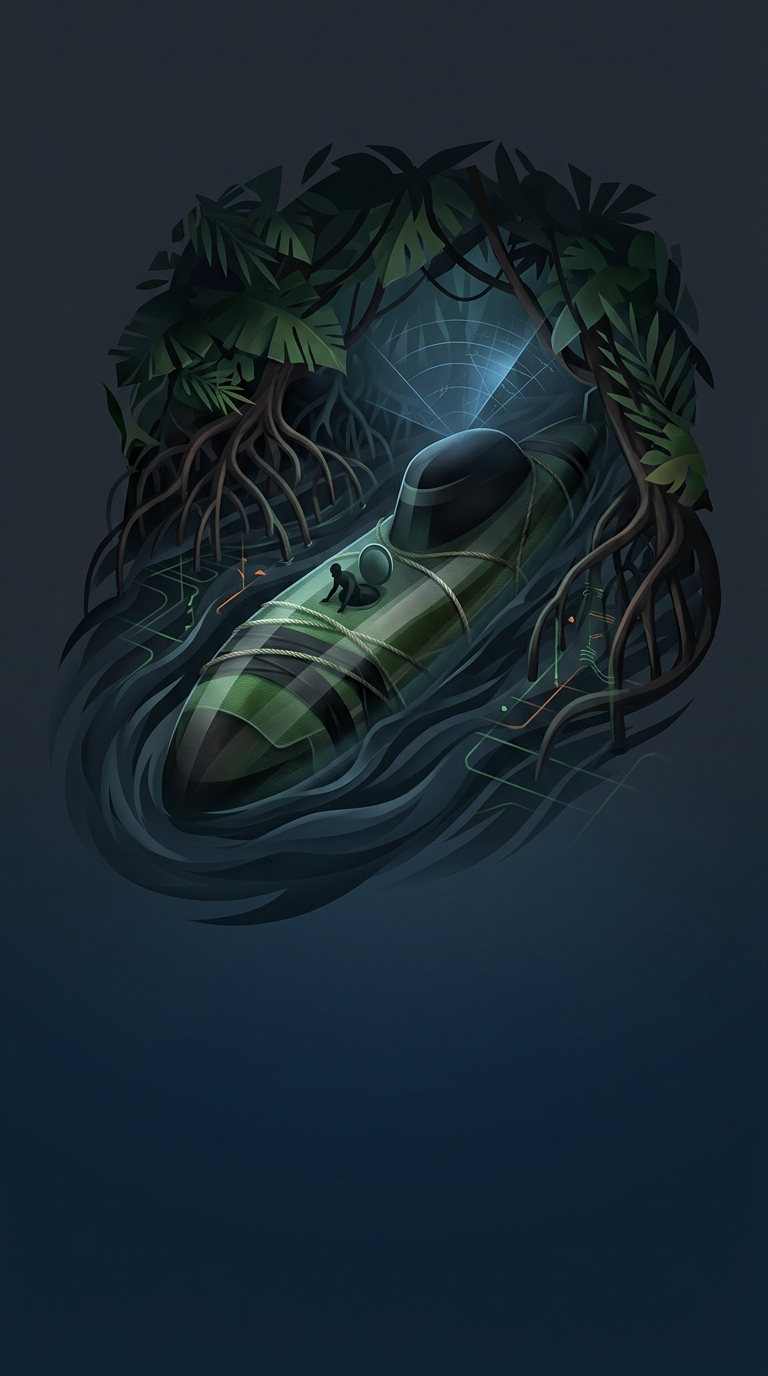
The vessels commonly called “narco-submarines” are usually self-propelled semi-submersibles, not true submarines. They travel with most of the hull underwater, but they cannot dive beneath the surface. That distinction shapes the entire design: the goal is to present as little as possible to observers, not to vanish below the sea.
A conventional metal hull can reflect radar energy back toward the antenna. Fiberglass reflects much less, while the craft’s low silhouette gives radar and distant lookouts fewer surfaces to detect. But the material is only part of the concealment. Waves, distance, darkness, and the difficulty of monitoring vast stretches of water all affect whether a small target is noticed. Fiberglass does not make a vessel invisible, and a low profile is no protection once it is found by other means.
A Concealment Strategy With Tradeoffs
Building in remote, forested locations helps keep a large, conspicuous project out of sight before launch. The setting also imposes practical constraints: construction materials, engines, fuel, crew, and cargo must all be brought to the site and moved onward. The craft has to be seaworthy enough for a long passage while keeping its visible profile small—a difficult balance, since the crew still needs space to operate the vessel and carry a substantial load.
That tradeoff explains why these boats are neither ordinary ships nor stealth aircraft. Their advantage comes from combining a low hull, a less radar-reflective material, and a route through a maritime surveillance gap. They can still be detected, intercepted, or forced to surface; concealment reduces the chance of discovery rather than eliminating it. The striking engineering choice is that the vessel’s most important feature is not its ability to disappear underwater, but how little of it has to show above the waves.