stackyFACTS
Transport

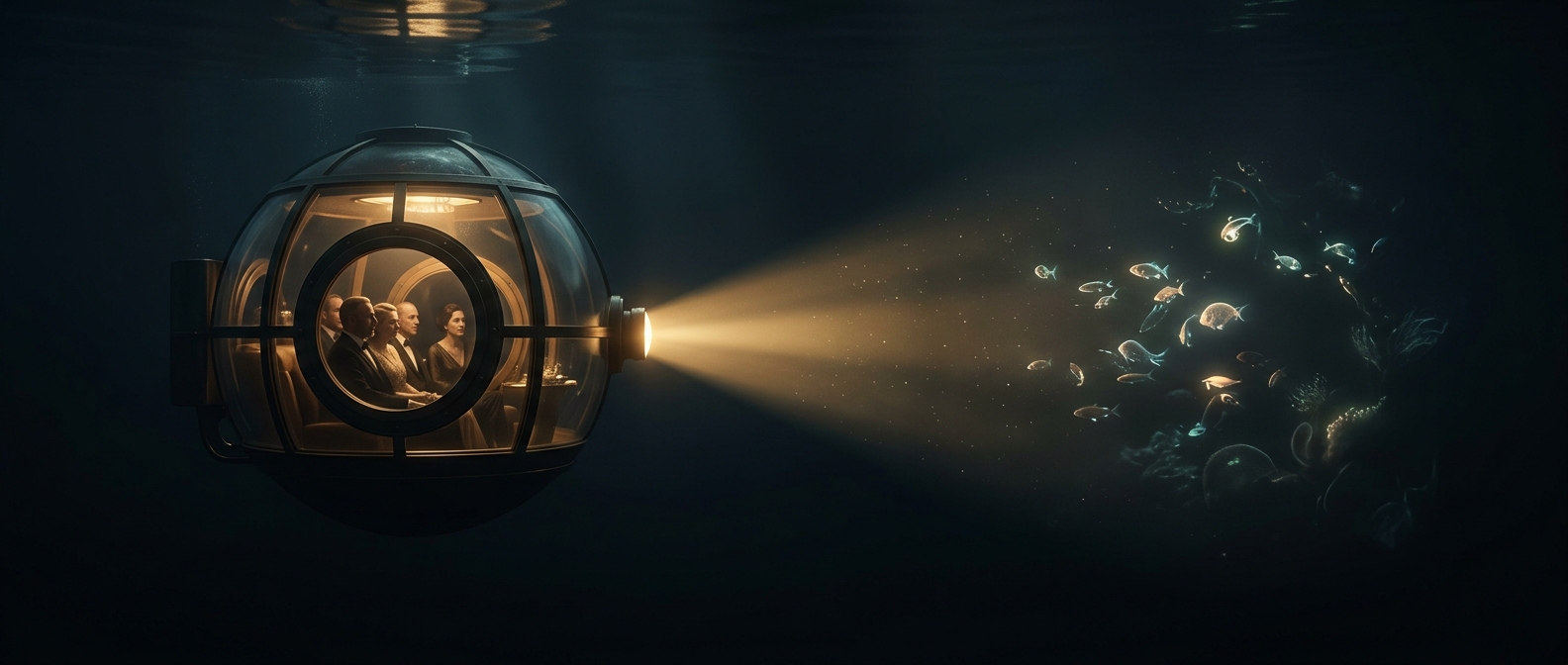
The first passenger submarines were underwater sightseeing buses

HERE’S THE INTERESTING PART

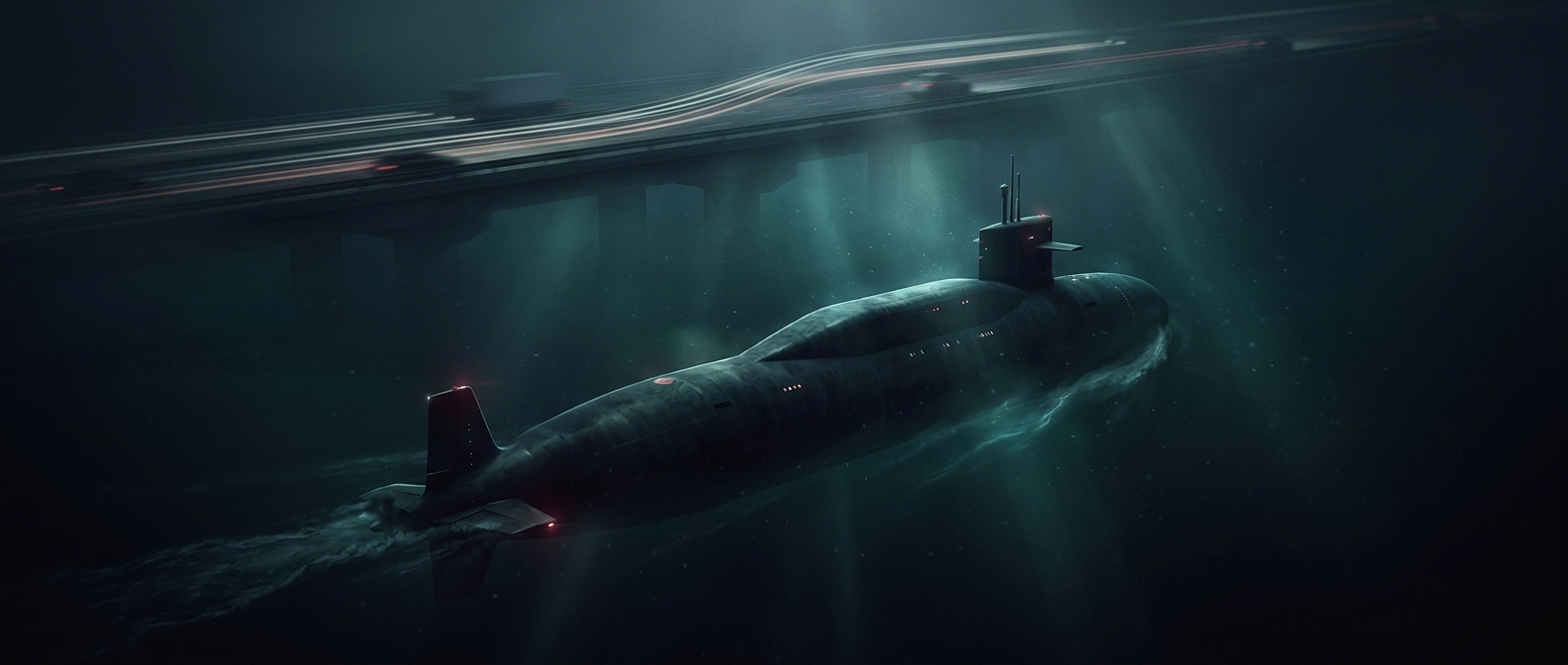
Why use revolutionary underwater technology for scientific exploration when you can use it to entertain the elite? Long before they were stealthy weapons of global warfare, early submarines were pitched as aquatic sightseeing buses. Predictably, diving into the terrifying, pitch-black abyss in an experimental leaky metal tube was an experience only a bored Victorian could mistake for a fun weekend activity.
The first passenger submarines were underwater sightseeing buses
STACKY / Transport
One discovery leads to another.

Keep exploring facts in this topic.

Transport →
STACKY FOR IPHONE

A bigger world.
One discovery
at a time.

Keep discovering with Stacky. Interesting facts in an app that is always within reach.

Download on the App Store
ONE MORE DISCOVERY?

Keep exploring

All in this topic →
Nuclear submarines move slower than you might think
Transport

Nuclear submarines move slower than you might think

Hollywood lied to you about the thrilling, breakneck pace of underwater warfare. Despite housing miniature nuclear reactors and enough firepower to erase a…

Discover more
South American drug cartels privately fund and construct fully functional fiberglass submarines deep within the jungle canopy to transport tons of illicit narcotics across the ocean completely undetected by naval radar.
Transport

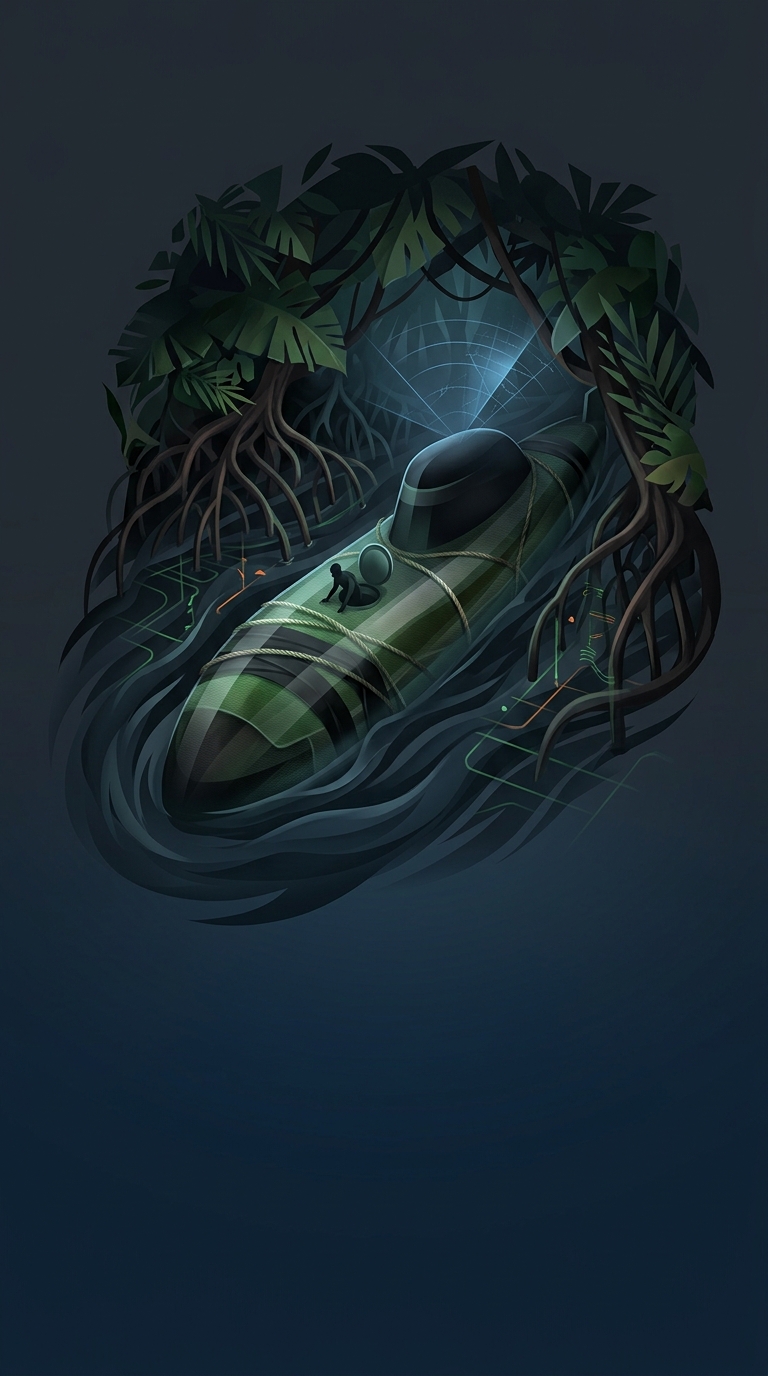
South American drug cartels privately fund and construct fully functional fiberglass submarines deep within the jungle canopy to transport tons of illicit narcotics across the ocean completely undetected by naval radar.

South American drug cartels privately fund and construct fully functional fiberglass submarines deep within the jungle canopy to transport tons of illicit…

Discover more
Early submarines relied on white mice instead of electronic sensors to detect dangerous leaks of carbon monoxide and other toxic gases while trapped deep underwater.
Transport

Early submarines relied on white mice instead of electronic sensors to detect dangerous leaks of carbon monoxide and other toxic gases while trapped deep underwater.

Early submarines relied on white mice instead of electronic sensors to detect dangerous leaks of carbon monoxide and other toxic gases while trapped deep…

Discover more
Why submarine hatches are so small
Transport

Why submarine hatches are so small

If you have ever awkwardly squeezed yourself through the claustrophobic hatch of a submarine and cursed the naval architects, you should probably be thanking…

Discover more
Why submarines still need a horn
Transport

Why submarines still need a horn

Because stealth mode takes a backseat to maritime traffic laws. According to international regulations, all vessels must have a way to sound their presence in…

Discover more
Nuclear submarines deliberately have absolutely no windows to prevent structural collapse under pressure
Transport

Nuclear submarines deliberately have absolutely no windows to prevent structural collapse under pressure

If you suffer from claustrophobia, living inside a sealed titanium tube miles beneath the crushing ocean surface might not be your ideal career. Submarines…

Discover more
StackyMore discoveries in the app
Download on the App Store