Why a submarine’s warning has to travel through air
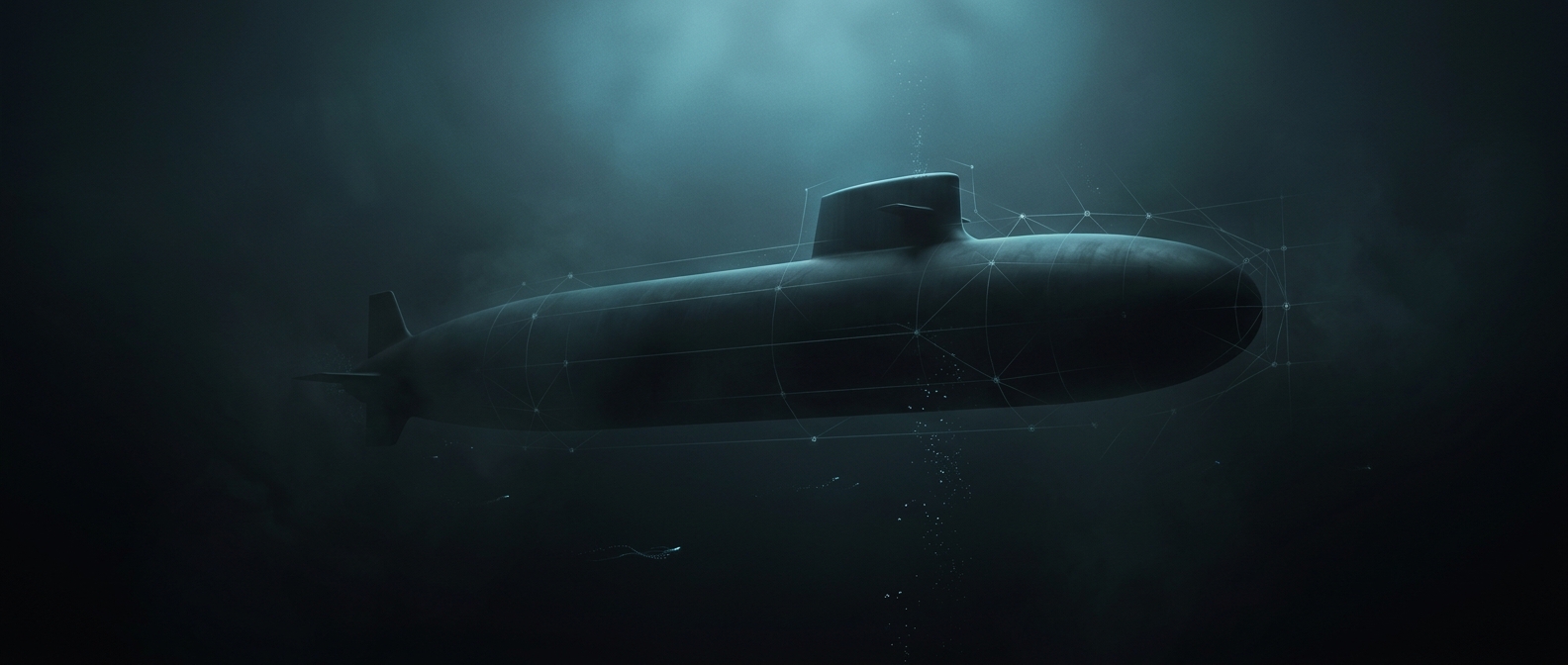
A submarine’s low profile is useful for staying inconspicuous, but it creates a practical problem when the boat is on the surface: other vessels may not see it in time. Much of the hull sits underwater, leaving less visible structure above the waves than a ship of comparable length. Rain, fog, darkness, and waves can make that small visual target harder to pick out.
A horn gives nearby traffic another way to detect the submarine. Its sound travels through the air to people aboard other vessels, including when the submarine itself is difficult to see. That warning matters most when ships are close enough that simply relying on someone to spot the hull would leave little time to react.
Why underwater sound is not the answer
Submarines use sound underwater for purposes such as detecting and communicating with objects in the water. But that sound does not serve as an ordinary warning to ships above the surface: the water and air are different acoustic environments, and sound does not pass cleanly from one into the other. A horn is designed to send its signal through the air where nearby crews can hear it.
The contrast is part of the submarine’s everyday tradeoff. Underwater, avoiding attention can be valuable; surfaced, making the boat’s presence unmistakable can prevent a dangerous encounter. A horn cannot make a low vessel visible through fog, but it can give another ship a warning it might otherwise miss.