stackyFACTS
Transport

Submarines in World War I and II spent the vast majority of their time cruising on the surface of the ocean using diesel engines, because underwater battery life was comically…

HERE’S THE INTERESTING PART

Submarines in World War I and II spent the vast majority of their time cruising on the surface of the ocean using diesel engines, because underwater battery life was comically terrible; the iconic image of a stealthy metal shark lurking in the deep is mostly Hollywood propaganda, as these death traps could only stay fully submerged for a few hours before running out of breathable air and battery power; they basically operated as painfully slow, highly vulnerable surface ships that only ducked underwater when they were about to attack or run away in absolute terror; imagine spending months locked inside a damp, suffocating metal tube with sixty unwashed men, only to realize your supposedly stealthy watercraft has the exact same battery limitations as an old iPhone trying to run a graphics-heavy mobile game!
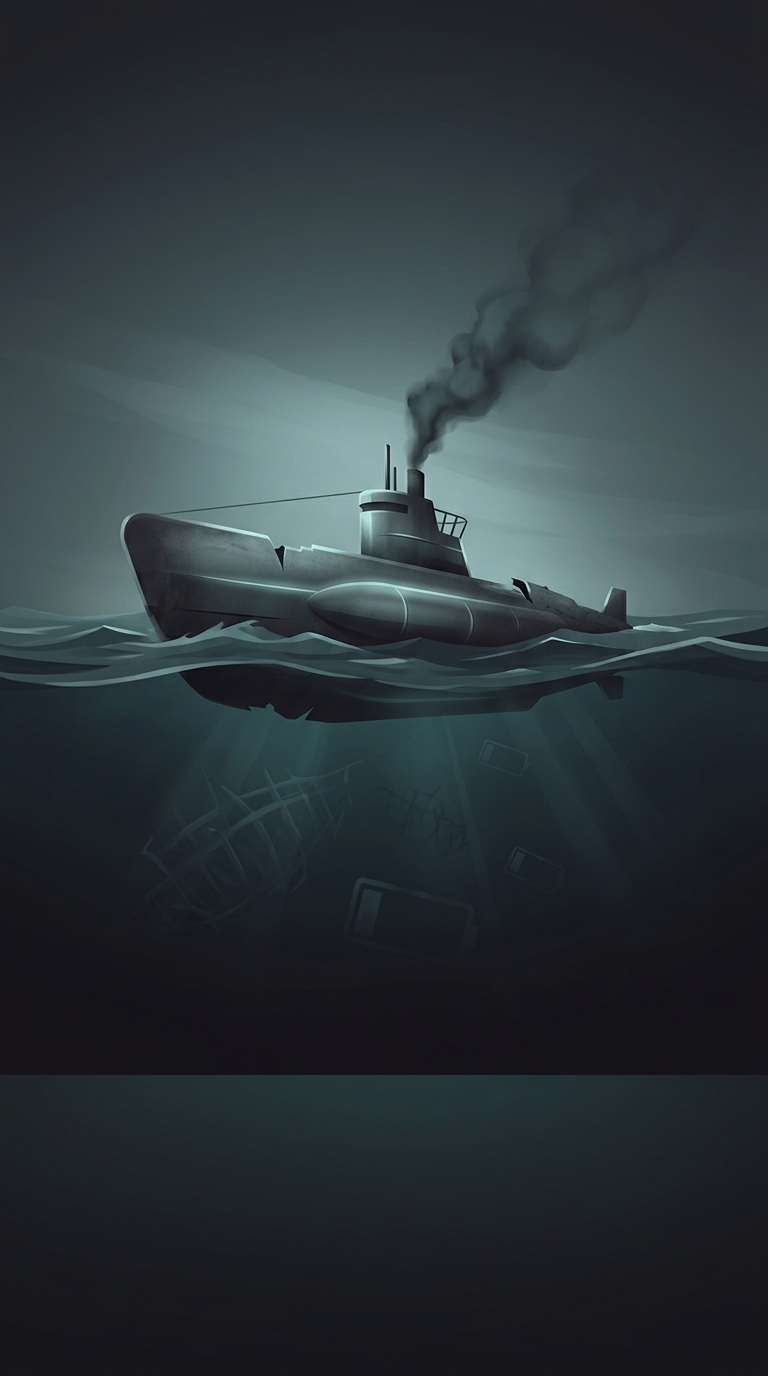
Submarines in World War I and II spent the vast majority of their time cruising on the surface of the ocean using diesel engines, because underwater battery life was comically…
STACKY / Transport
One discovery leads to another.

Keep exploring facts in this topic.

Transport →
STACKY FOR IPHONE

A bigger world.
One discovery
at a time.

Keep discovering with Stacky. Interesting facts in an app that is always within reach.

Download on the App Store
ONE MORE DISCOVERY?

Keep exploring

All in this topic →
Nuclear submarines move slower than you might think
Transport

Nuclear submarines move slower than you might think

Hollywood lied to you about the thrilling, breakneck pace of underwater warfare. Despite housing miniature nuclear reactors and enough firepower to erase a…

Discover more
South American drug cartels privately fund and construct fully functional fiberglass submarines deep within the jungle canopy to transport tons of illicit narcotics across the ocean completely undetected by naval radar.
Transport

South American drug cartels privately fund and construct fully functional fiberglass submarines deep within the jungle canopy to transport tons of illicit narcotics across the ocean completely undetected by naval radar.

South American drug cartels privately fund and construct fully functional fiberglass submarines deep within the jungle canopy to transport tons of illicit…

Discover more
Why submarine hatches are so small
Transport

Why submarine hatches are so small

If you have ever awkwardly squeezed yourself through the claustrophobic hatch of a submarine and cursed the naval architects, you should probably be thanking…

Discover more
Nuclear submarines can theoretically remain submerged underwater for up to twenty-five years without ever needing to refuel their reactors.
Transport

Nuclear submarines can theoretically remain submerged underwater for up to twenty-five years without ever needing to refuel their reactors.

Nuclear submarines can theoretically remain submerged underwater for up to twenty-five years without ever needing to refuel their reactors. The only actual…

Discover more
Why Russian submarines are green inside
Transport

Why Russian submarines are green inside

It turns out sensory deprivation in a tin can is bad for morale, so the Soviets threw up a coat of lime green. While the exterior of nuclear subs is coated in…

Discover more
The first passenger submarines were underwater sightseeing buses
Transport

The first passenger submarines were underwater sightseeing buses

Why use revolutionary underwater technology for scientific exploration when you can use it to entertain the elite? Long before they were stealthy weapons of…

Discover more
StackyMore discoveries in the app
Download on the App Store