The Bow Turns Forward Motion Into Pressure
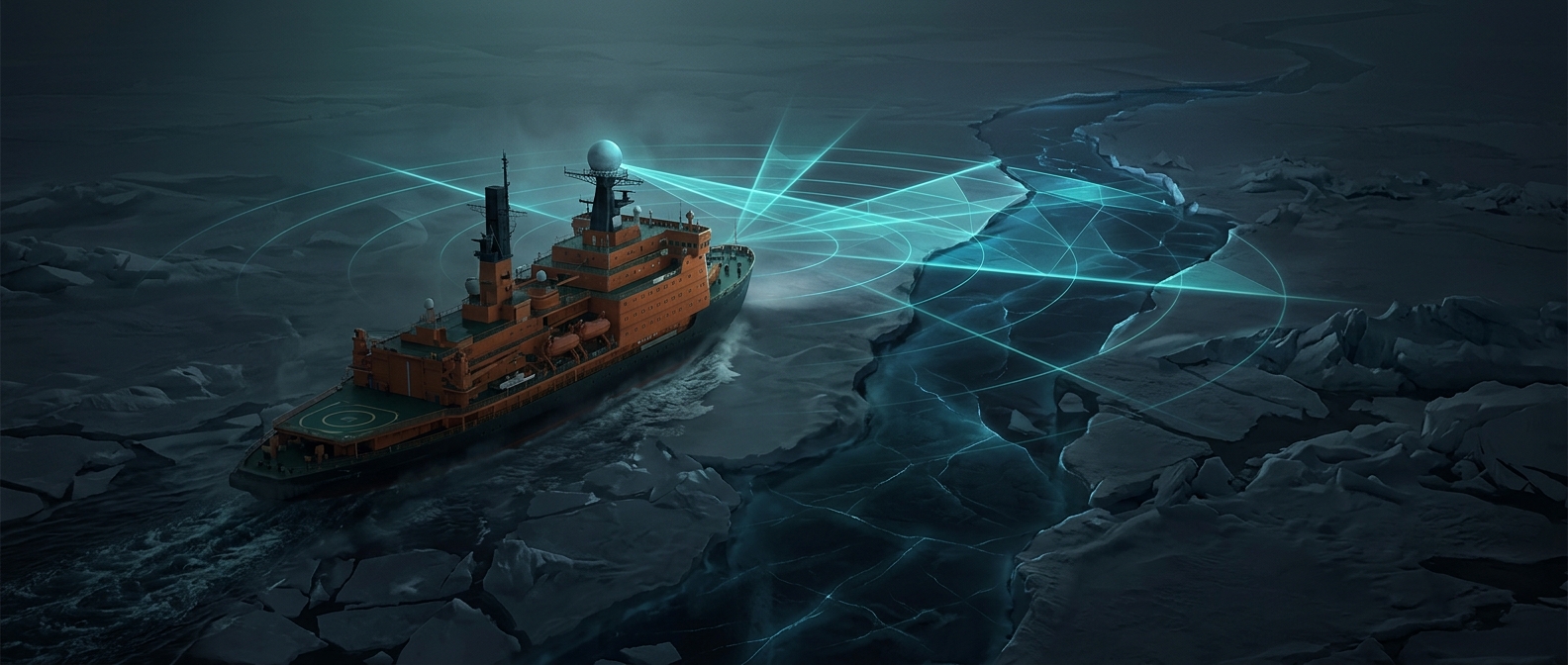
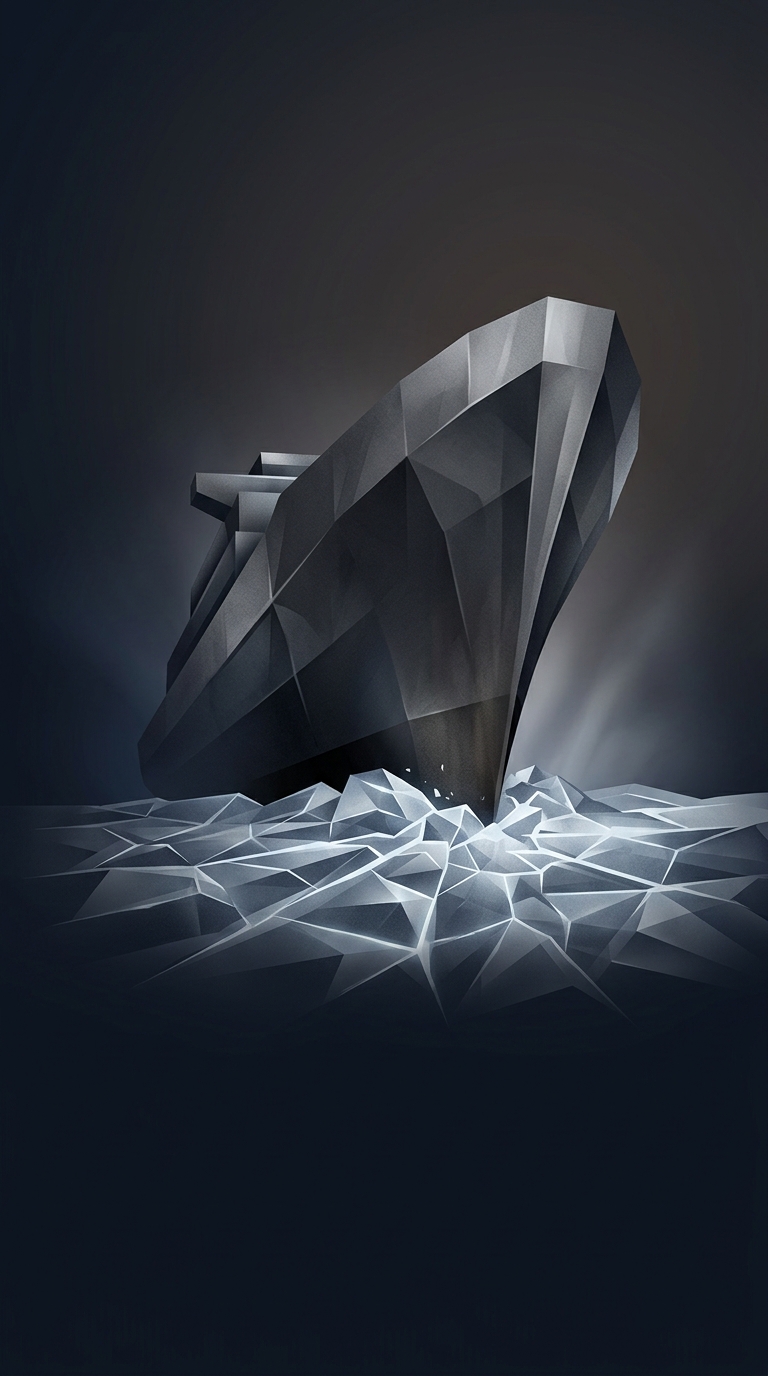
An icebreaker’s rounded, sloping bow is designed to climb onto ice rather than meet it like a vertical wall. As the ship advances, the bow lifts and the vessel’s weight presses down on the sheet until it bends and fractures. A heavily strengthened hull helps the ship withstand the repeated impacts and the pressure of ice squeezing against its sides.
That geometry also explains why an icebreaker may slow to a crawl: the ship needs enough forward motion to climb, but forcing its way through ice that is too thick can stall it. In those conditions, backing up creates room for another approach. Repeated runs concentrate the ship’s force on the same barrier until it breaks.
Clearing a Lane Takes More Than Breaking Ice
Once the sheet cracks, the ship still has to get through the pieces. Its propellers and hull push broken ice away from the path, while the vessel’s movement helps keep fragments from immediately blocking the channel. The result is not a permanently open road: in cold conditions, loose pieces can drift back together and new ice can form behind the ship.
A navigable lane therefore depends on both the icebreaker’s progress and the conditions around it. Other ships may follow while the passage remains usable, but the channel can be narrow, uneven, and vulnerable to shifting ice. The icebreaker’s work is less like clearing a road once than continually making—and maintaining—a route through a moving surface.