The edit turns a long process into a single dramatic beat
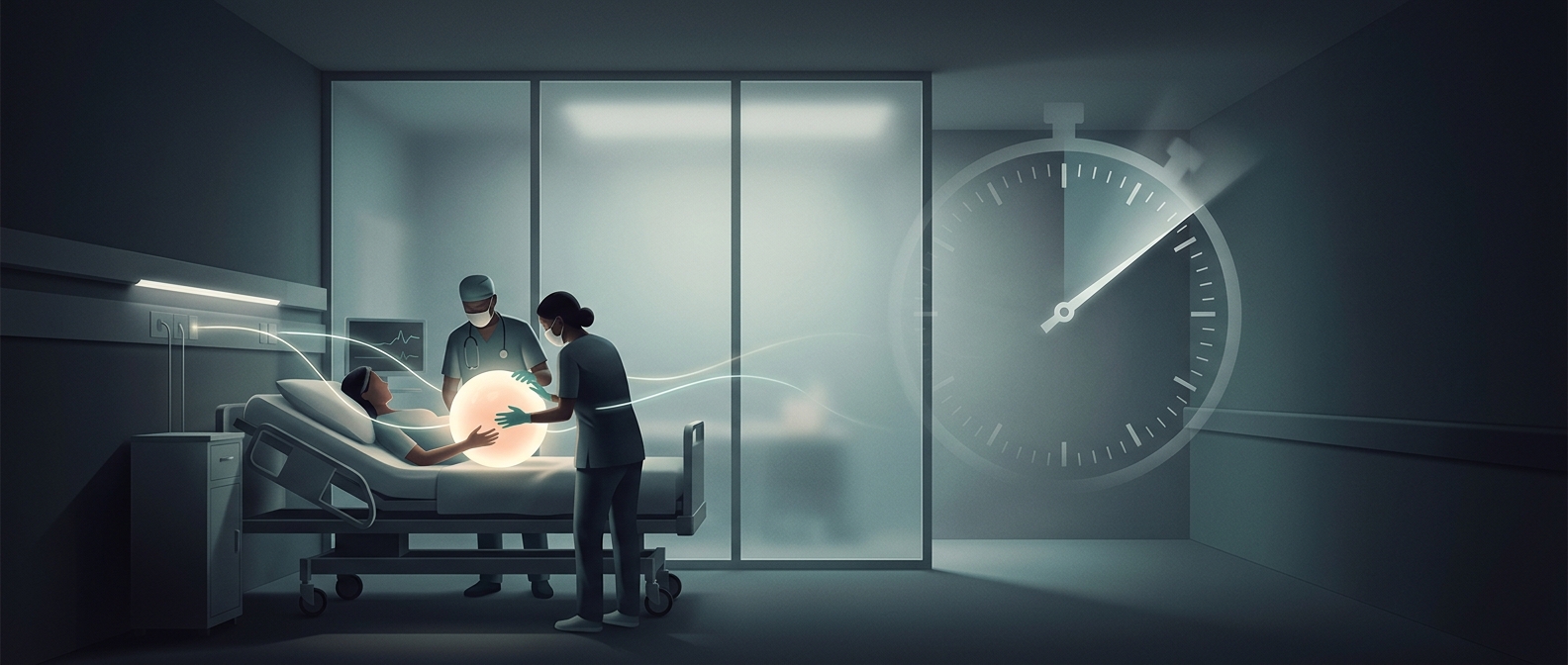
A birth scene usually isn’t trying to show labor minute by minute. It is trying to deliver a clear story moment: a character faces a crisis, the effort peaks, and a baby arrives. Television can make the hours between those beats disappear through ellipsis—a storytelling shortcut in which time passes without being shown. A cut, a change in lighting, or a new shot can carry the audience from the start of a contraction to the moment of birth.
That compression also gives the scene a controllable rhythm. Labor can slow, change direction, or unfold without a neat climax; a scripted episode needs to fit around other plotlines and end scenes at chosen moments. Concentrating attention on a few visible signs of effort makes the event legible even when the viewer has little medical knowledge.
Why the scene lands on emotion
The arrival of the baby is an easy visual and emotional turning point. Before it, the scene can build tension; afterward, a close-up of the newborn and the parents’ reactions signals relief, wonder, or joy without much explanation. Those reactions do narrative work: they show how the birth changes the characters and give the audience a moment to absorb the outcome.
The tradeoff is that the edit makes childbirth look more orderly than it can be. Real labor varies widely in duration and course, while a television scene often gives it a compact arc with a clear finish. The memorable image is not the passage of time—it is the instant the story declares that a family has changed.