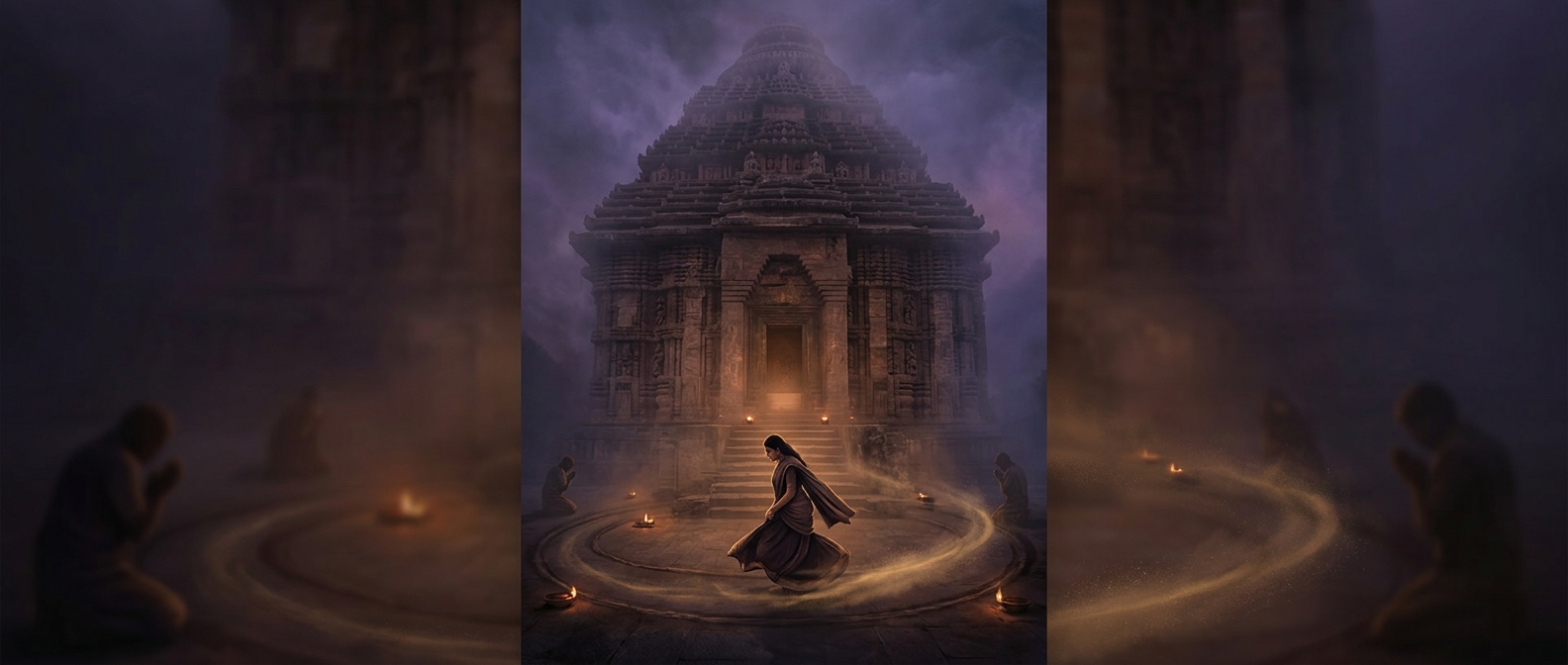
When the Pilgrimage Becomes a Bodily Offering
A pilgrim who rolls around a shrine turns the route itself into part of the devotion. Instead of simply traveling from one place to another, the person makes each stretch of ground a repeated physical act: lean, roll, recover, and continue. The shrine remains the destination, but the journey becomes a ritual in its own right.
The movement demands more effort than an ordinary walk. It can be slow, tiring, and uncomfortable, bringing the pilgrim into direct contact with the ground. That physical cost can give devotion a visible form: commitment is expressed not only through intention or prayer, but through time, effort, and willingness to endure difficulty.
Why Repeat a Difficult Gesture?
Ritual movements often make an abstract feeling tangible. Rolling can express humility before something regarded as sacred, while the repeated motion gives the journey a steady rhythm. The act is not merely a shortcut to the shrine; its difficulty and repetition are part of what it means to the person performing it.
The exact significance depends on the tradition and the pilgrim. There is no single interpretation that applies to every shrine or community. But the striking consequence is clear: a familiar landscape becomes a path of devotion, with every roll marking another deliberate step toward the sacred place.