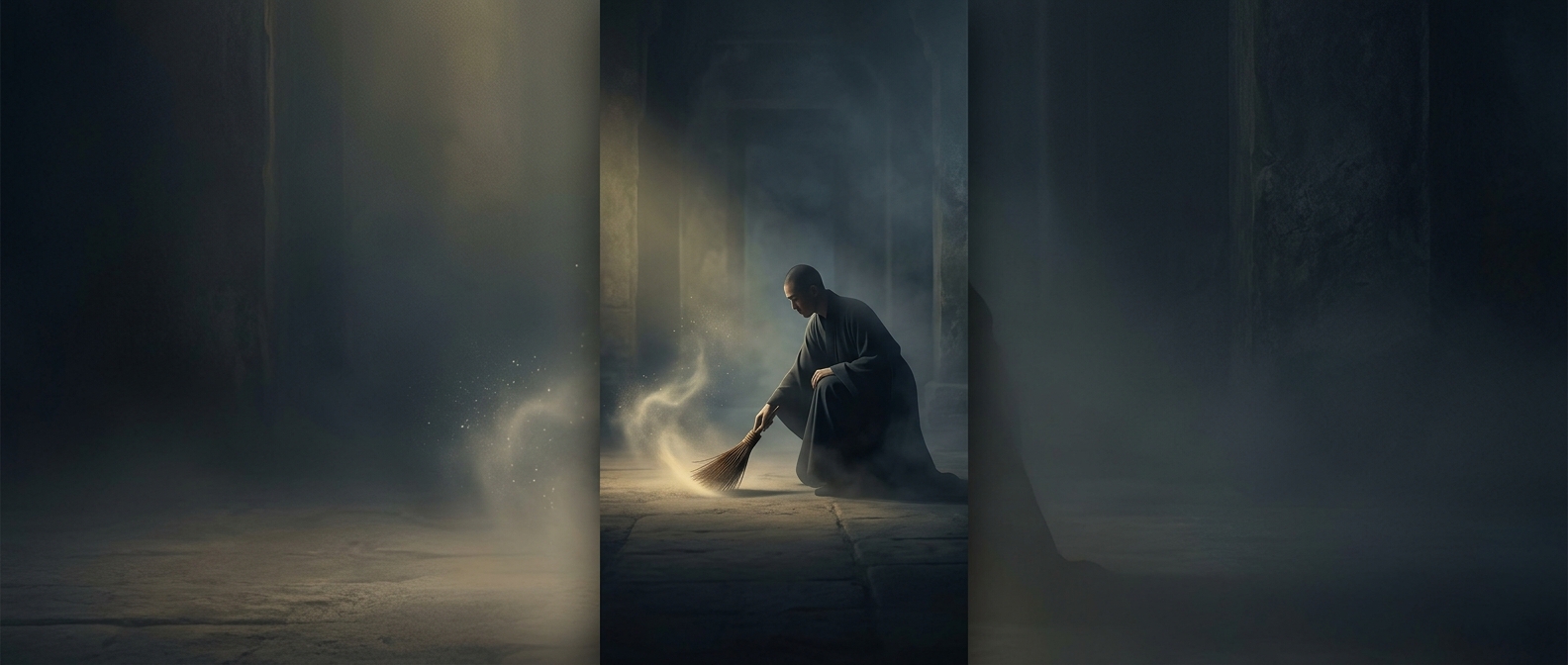
When the Path Becomes the Prayer
The practice of walking ritual circuits around a sacred object or place is often called circumambulation. It turns devotion into a sequence of bodily actions: begin at a designated point, follow a prescribed route, and return to where you started. The worshipper does not simply look toward the holy center; they move in relation to it.
That movement can give prayer a steady rhythm. With each step, the center remains the point of reference while the view around it changes. A circuit may be repeated, sometimes alongside recitation, meditation, or silent reflection. The route itself becomes a way to focus attention and express reverence.
One Form, Different Meanings
The practice appears in distinct religious traditions, but its details are not interchangeable. Hindu worshippers may circle a temple shrine in a practice known as pradakshina. Buddhists may walk around a stupa, a structure associated with the Buddha or Buddhist teachings. In Islam, pilgrims perform tawaf by circling the Kaaba in Mecca. The routes, rules, and meanings belong to their own traditions; even the direction of movement varies.
A circuit also makes devotion visible and shared. People can follow the same path at different paces, joining a pattern that existed before they arrived and will continue after they leave. When the walk ends at its starting point, the worshipper has returned to the same place—but has spent the intervening time orienting each step around what the tradition holds sacred.