Learning as a Whole-Body Activity
In anthroposophical education, learning is meant to involve more than taking in information through books. The approach grew from Rudolf Steiner’s spiritual philosophy, anthroposophy, and is most familiar today through Waldorf schools. It treats movement, imagination, practical activity, and intellectual work as parts of education rather than as separate extras.
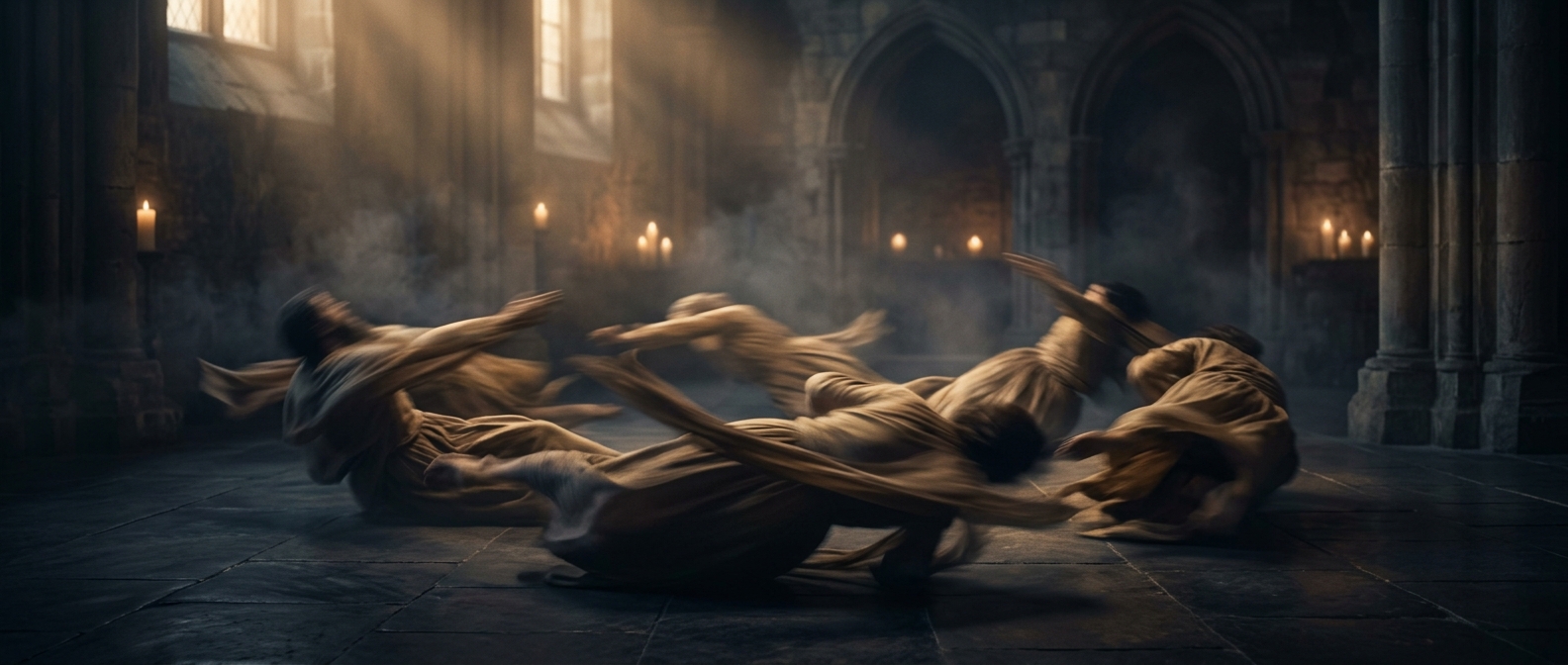
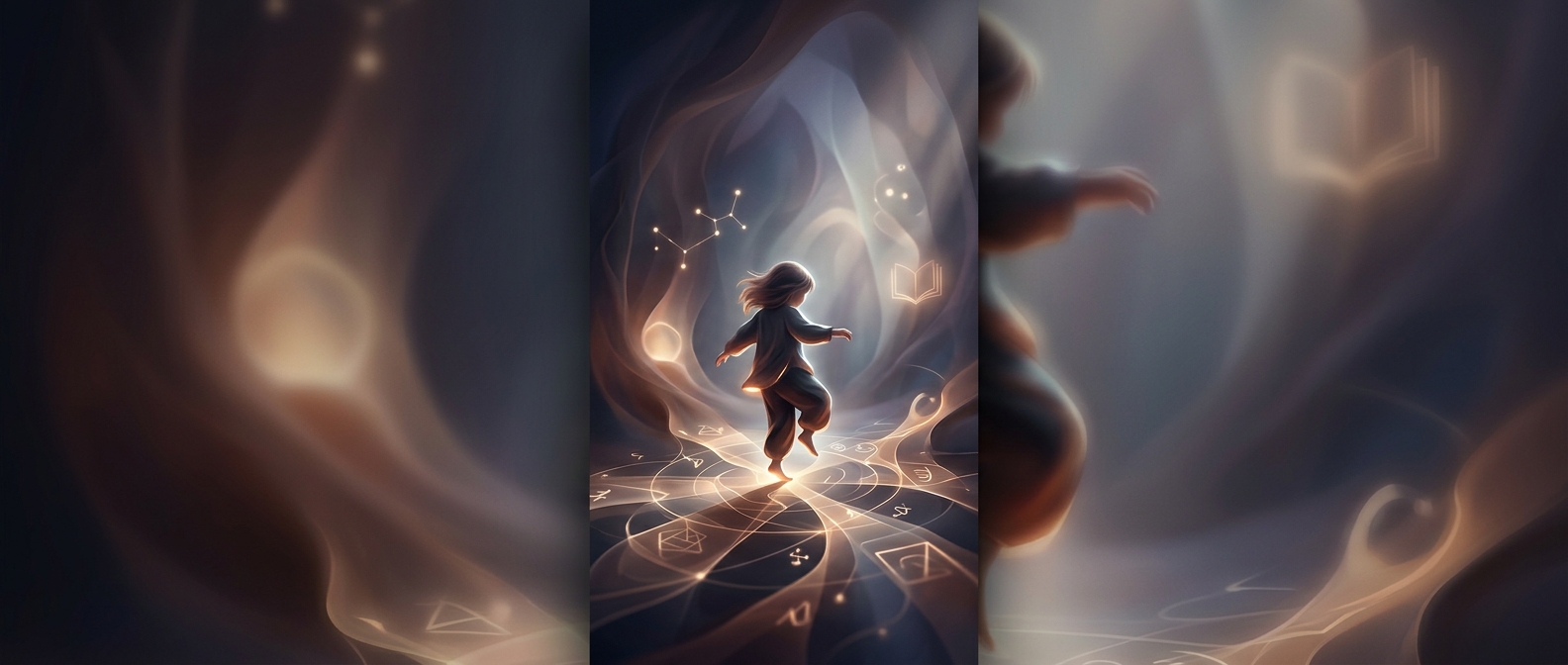
That changes what a lesson can look like. A child might learn a rhythm by stepping or clapping it, or explore a story through gesture and movement before working with its words on the page. The movement gives the idea a physical pattern to follow: a rhythm is felt in the body, not just described in language.
What Dance Is Meant to Do
Some Waldorf schools teach eurythmy, an art of expressive movement associated with anthroposophy. In eurythmy, gestures and steps are coordinated with speech or music. It is not simply a dance break; the movements are intended to make the form of a sound, poem, or musical phrase visible and physical.
This emphasis does not mean that children avoid reading. Rather, movement is one route into learning, especially in lessons where rhythm, language, or artistic expression can be experienced before being analyzed. The distinctive idea is that a child may understand a pattern differently after moving through it. In a classroom, a line of verse can become not only something to read, but something the whole body helps remember.