Why Someone Might Leave a Room Backward
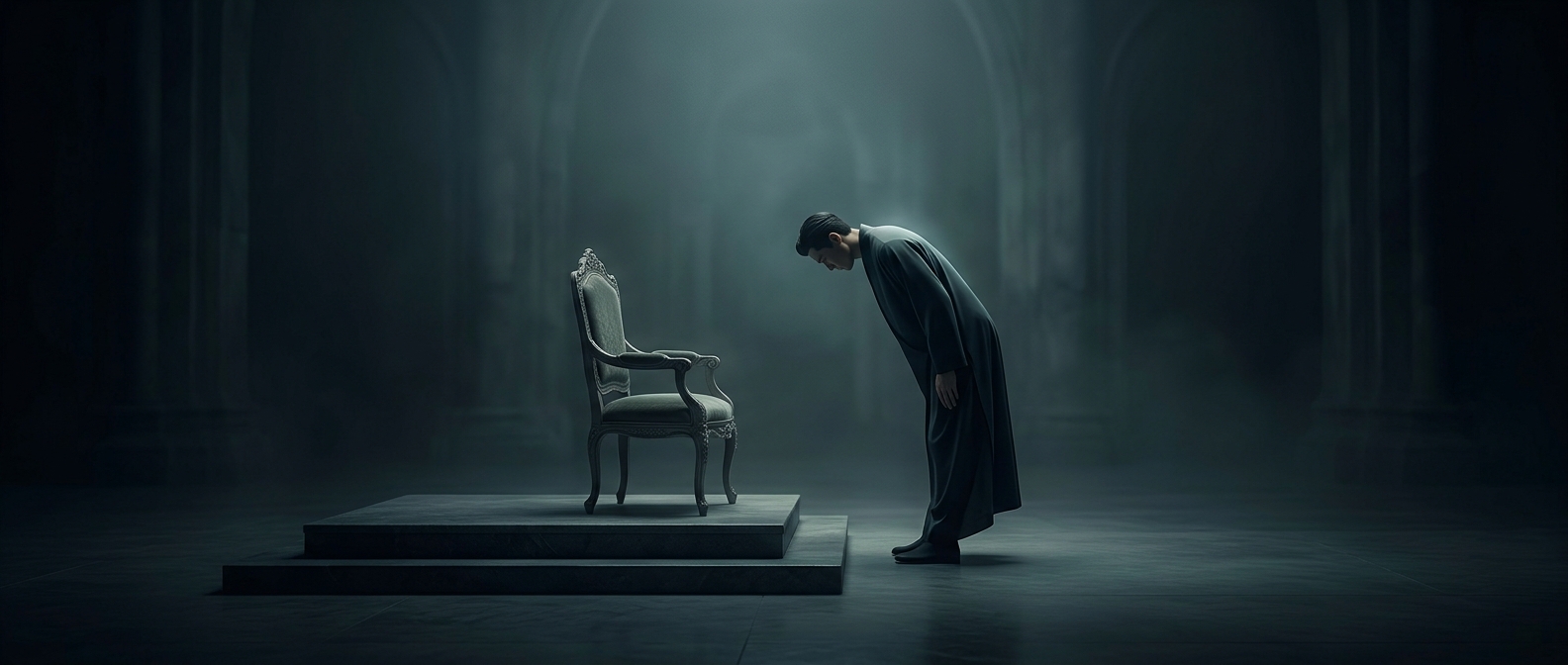
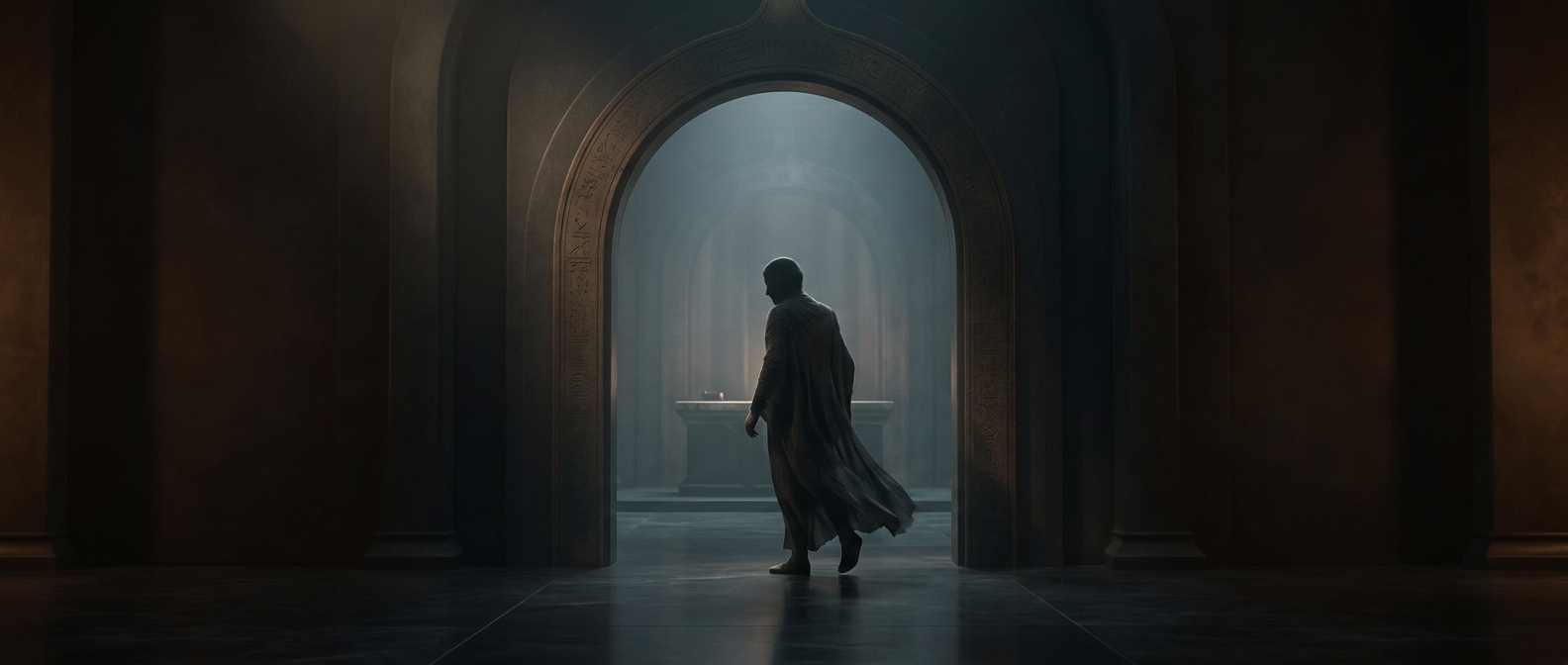
In some formal or ceremonial settings, a person is expected to keep facing an honored person or focal object while withdrawing. Turning one’s back can read as abrupt or dismissive; stepping backward instead keeps the gesture of attention intact until the person has left the space.
The point is not that walking backward has a special physical effect. It is a visible way to follow a social rule: respect is shown through posture and movement, not just words. The person leaving signals, in effect, that their attention remains with the person or presence they are addressing.
Respect Has a Practical Cost
That courtesy can make an ordinary task harder. A person walking backward cannot see what is behind them as well as someone facing forward, so a threshold, loose rug, or nearby chair can become a tripping hazard. In a carefully arranged room, the path may be clear; in an unfamiliar one, the same gesture requires extra caution.
The small awkwardness is part of what makes the custom memorable: a deliberate show of deference can take priority over the easiest way to move. The practice depends on its setting and its shared meaning, rather than being a rule for every room or every encounter.