What a Full-Body Bow Means
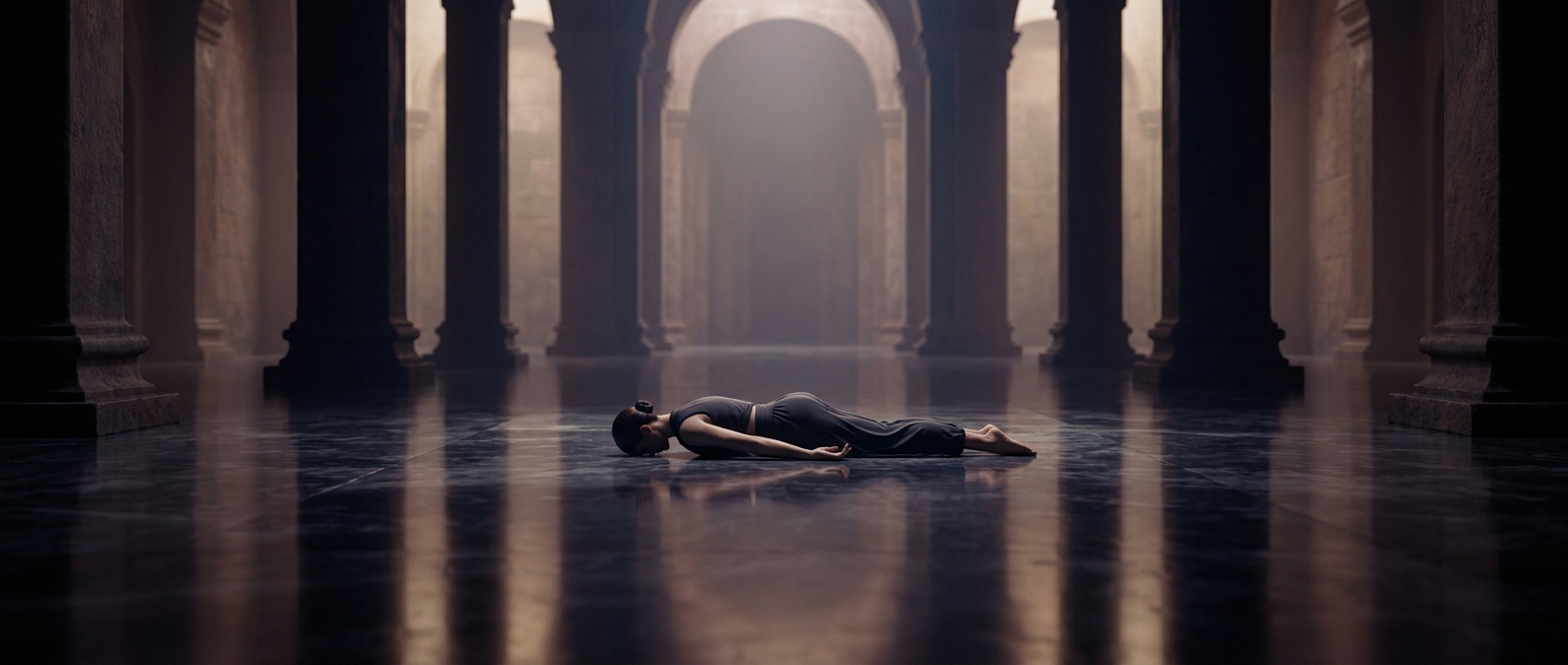
A full-body bow turns reverence into a movement: the practitioner lowers the whole body until it rests on the floor. In traditions that use the gesture, this can express humility, devotion, or surrender to what is regarded as sacred. “Submission” here need not mean obedience to another person; it can mean setting aside pride before a deity, teaching, or spiritual ideal.
The meaning depends on the tradition and the occasion. A single bow may mark respect, while repeated prostrations can form part of prayer or a larger devotional practice. The physical gesture is visible, but its intended meaning is inward: the body enacts an attitude that words alone may not convey.
Why Repeating It Takes Effort
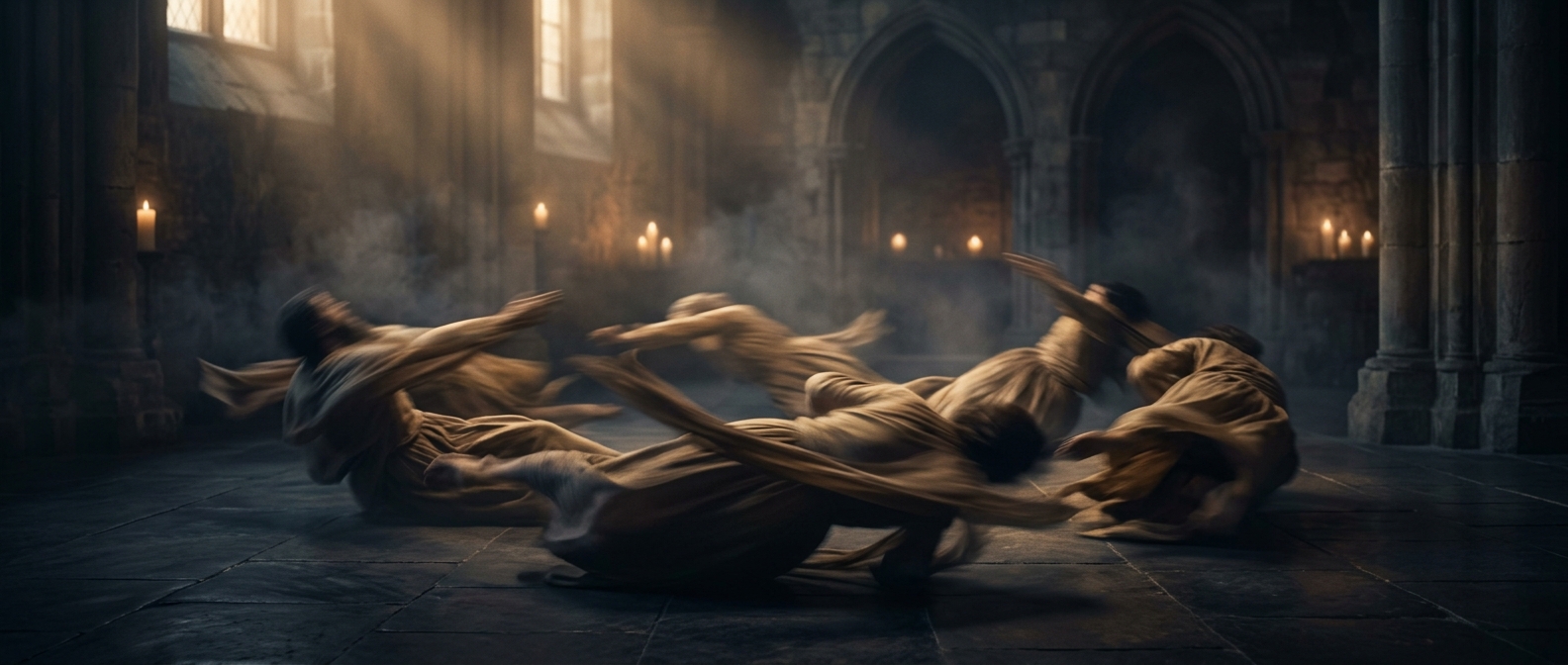
A full prostration requires more than bending at the waist. The person lowers through the legs, places the hands on the floor, brings the knees and torso down, then extends or settles the body before pushing back up. Repeating that sequence makes the movement demanding: the arms and shoulders help support the descent and rise, while the knees, hips, and back repeatedly flex and bear weight.
Floors, clothing, pace, and the exact form all affect how strenuous it feels. Practices vary, so there is no single posture or required number of bows. But the basic tradeoff is clear: the same gesture that communicates humility also asks for sustained physical effort. Its meaning is not separate from the body doing it—the practitioner demonstrates reverence by repeatedly lowering, touching the ground, and rising again.