How “Holy Roller” Became a Name
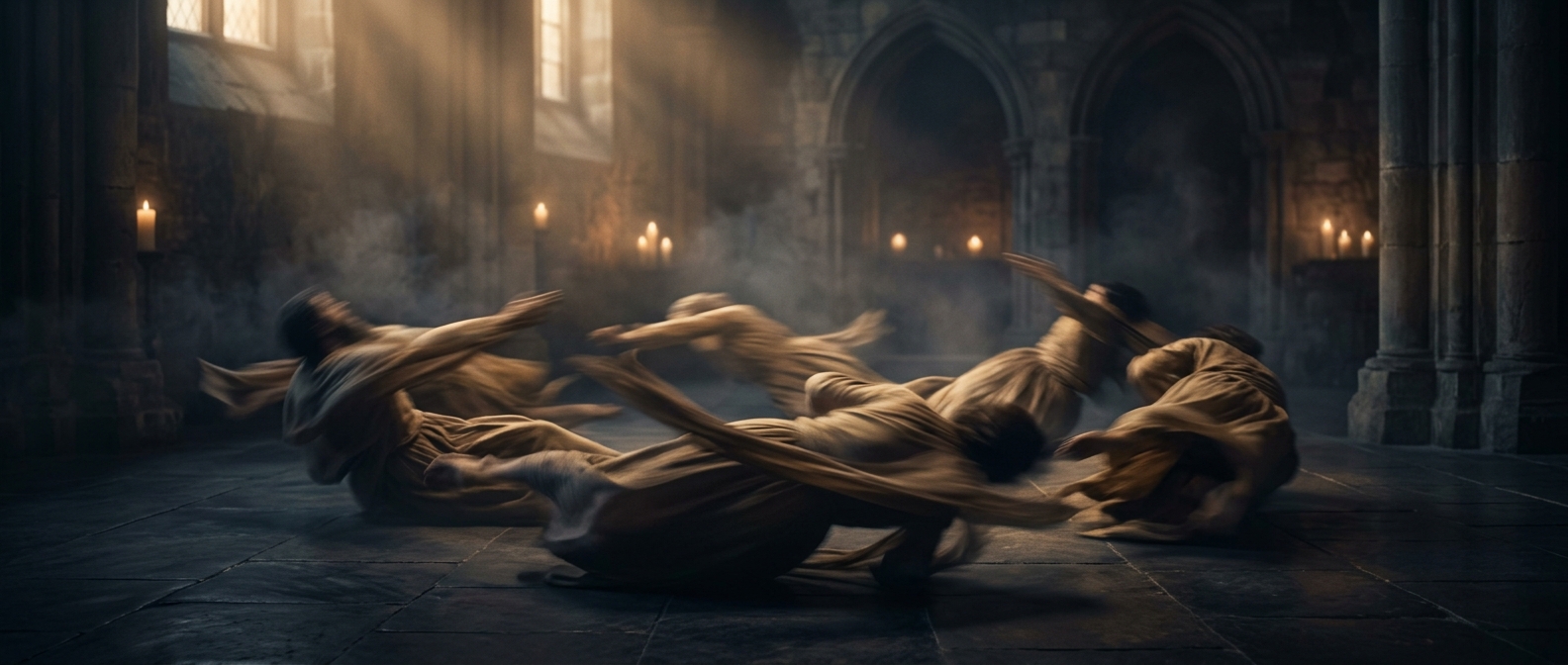
“Holy roller” began as a sneer at worshippers whose religious expression looked startlingly physical to outsiders. In some revival services, people might fall to the floor, tremble, shout, or roll during moments they understood as intense spiritual experience. The phrase reduced those displays to a spectacle—and marked the people performing them as strange.
From Insult to Identity
The label did not remain entirely in the hands of critics. Some worshippers adopted it, turning a put-down into a badge of belonging. That shift is a familiar feature of religious and social identity: a group can reclaim a name that outsiders use to shame it, changing its meaning through shared pride and use.
The name also captured a clash over what worship should look like. For those who valued restraint and orderly services, movement on the floor could seem disruptive or embarrassing. For the worshippers themselves, bodily expression could be part of giving way to religious feeling rather than keeping it private or controlled.
What the Label Preserved
“Holy roller” therefore describes more than an unusual gesture. It carries the memory of a dispute over who gets to define respectable worship—and of people who embraced a mocked label rather than hide the practices it pointed to. The insult became a shorthand for a style of worship precisely because its physical intensity was difficult to ignore.