Why Distance Can Outweigh Weight on a Seesaw
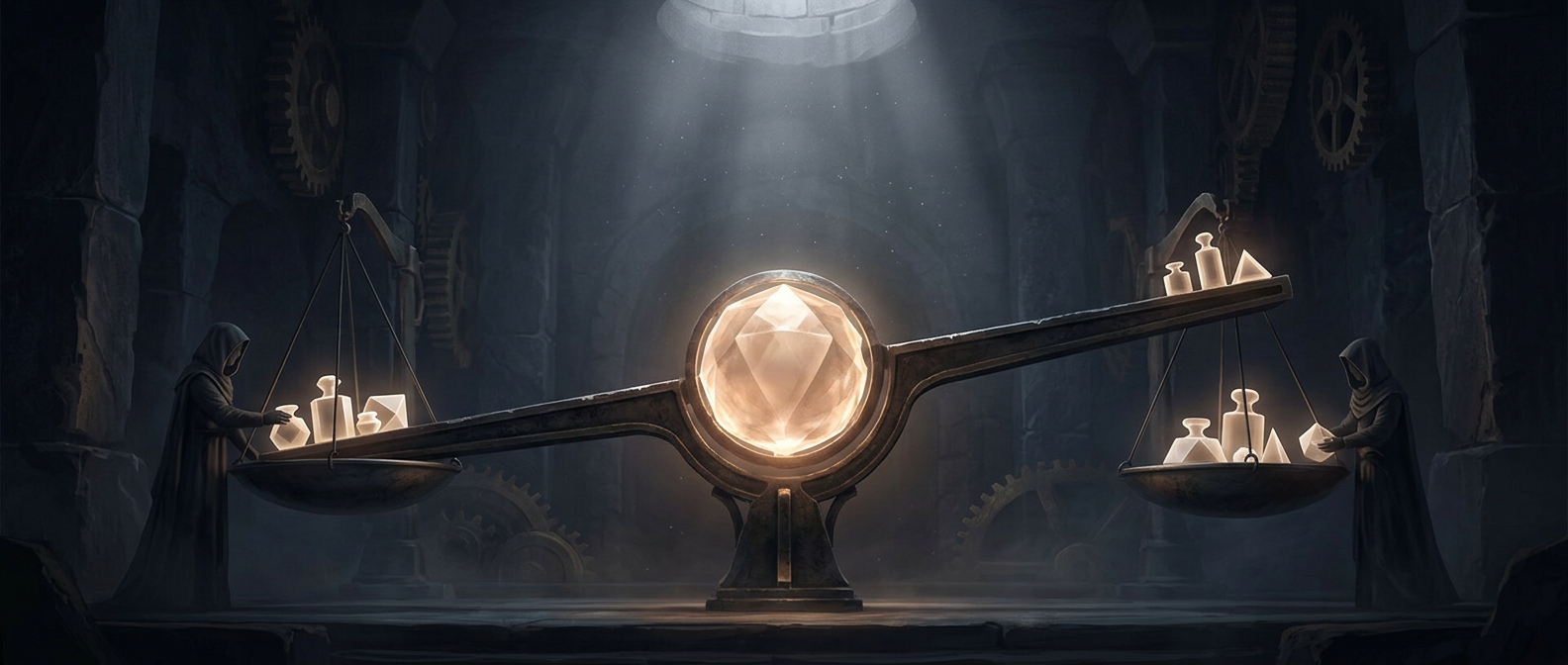
A seesaw balances through turning effect, not weight alone. The board rotates around its central support, called the pivot. A child’s weight pushes downward, but the distance between that child and the pivot determines how strongly the push tends to turn the board.
In simple terms, turning effect grows with both weight and distance. A heavier child close to the pivot can therefore be matched by a lighter child sitting farther away. The farther seat gives the lighter child’s downward force more leverage—the same reason a long wrench can loosen a tight bolt more easily than a short one.
Finding the Balance Point
Balance occurs when the turning effects on the two sides are equal. If one side dips, its rider can move toward the pivot to reduce leverage; the rider on the rising side can move outward to increase it. Small shifts can make a noticeable difference, especially when the board is long.
This is why a seesaw is more than a test of who weighs more. It is a hands-on demonstration of a general mechanical principle: a modest force can counter a larger one when it acts at a greater distance from the turning point. The same tradeoff appears in tools such as levers and crowbars.
On the playground, the practical result is simple: the lighter rider does not need to become heavier. They need to find a seat far enough from the pivot to make their side turn just as strongly.