Why a “blank” can still be deadly
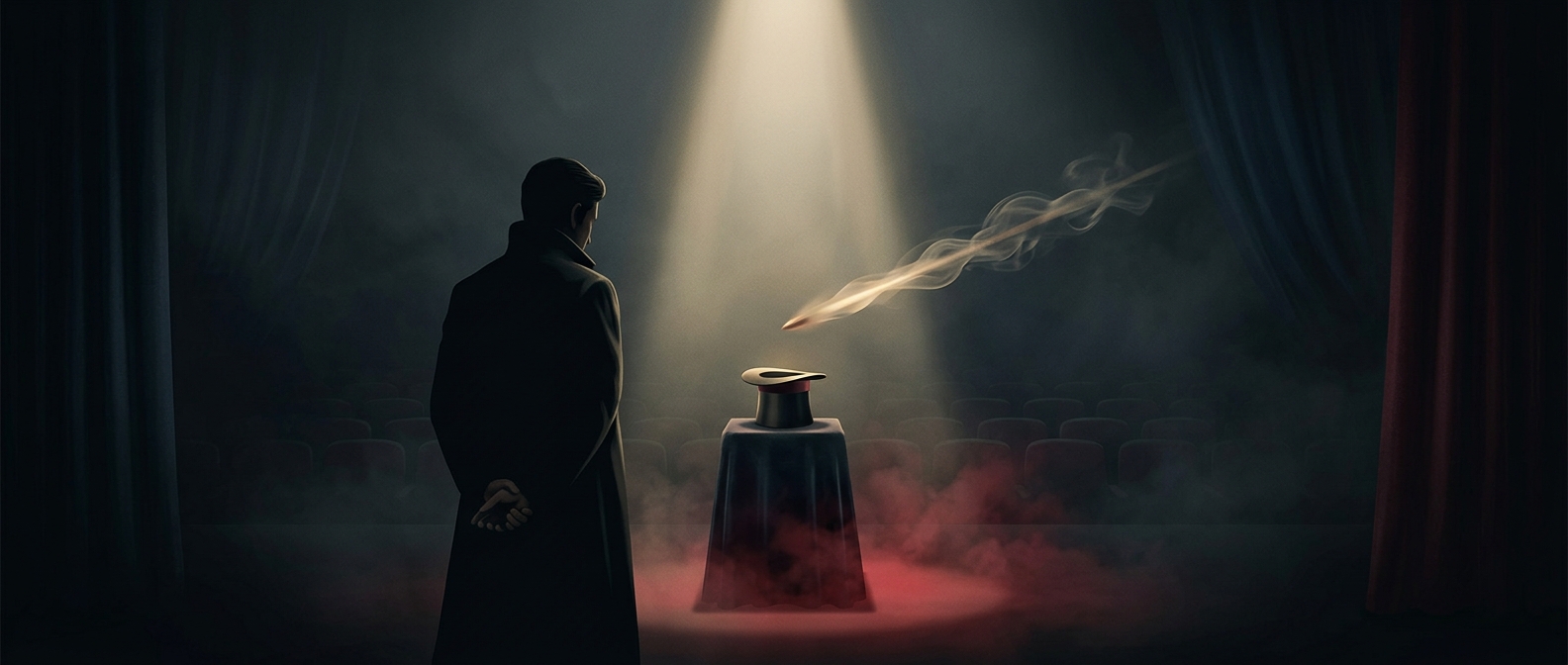
A stage bullet catch is designed to make an audience believe a performer has stopped a fired bullet. The apparent bullet is typically part of a controlled illusion; the danger lies in the firearm and ammunition used to create the shot, not in a performer literally grabbing a speeding projectile.
A blank has gunpowder but no ordinary bullet. When fired, it still releases hot, high-pressure gas from the muzzle. At close range, that blast can cause grave injury. Some blank cartridges may also propel wadding or other material, depending on how they are made and loaded. A blank is therefore not harmless just because it lacks a bullet.
How a staged illusion can turn real
The trick relies on tightly coordinated actions: the gun, ammunition, performer, and timing must all match the intended effect. If a firearm malfunctions, or ammunition is loaded incorrectly, the expected theatrical effect can become a real discharge hazard. A live round mistakenly used in place of a blank presents an even more direct danger.
That is why the illusion’s apparent simplicity is misleading. The audience sees a shot and a dramatic catch; backstage, safety depends on controlling what is in the gun and where its force is directed. When that control fails, a prop or blank does not make the weapon safe—and the performer standing closest to it may bear the consequences.