A Secret Can Be Part of the Show
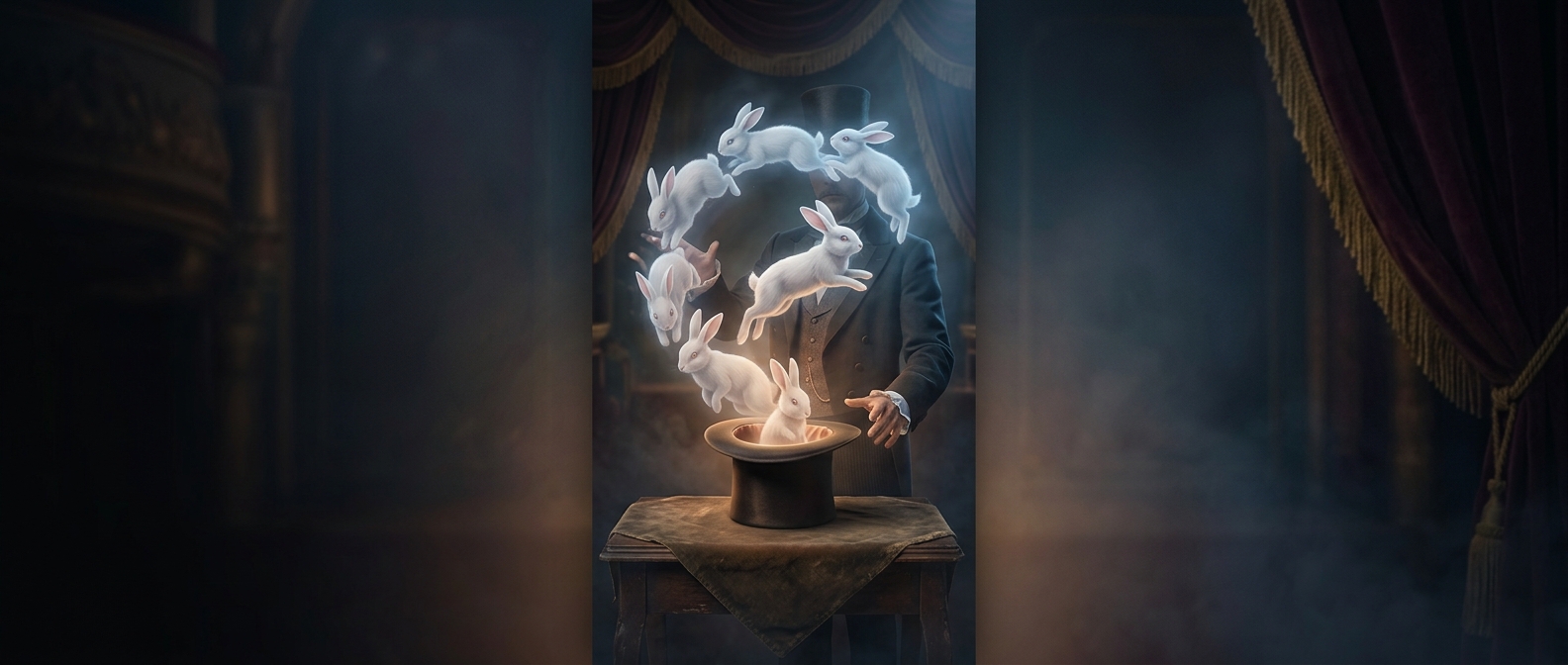
A magic effect has two versions: the moment the audience sees, and the practical method that makes it possible. If spectators learn how a dove appears or disappears, the animal may still be real and the performer may still be skilled—but the surprise has been replaced by an explanation. Keeping the method private helps preserve the audience’s experience of uncertainty, which is part of the effect itself.
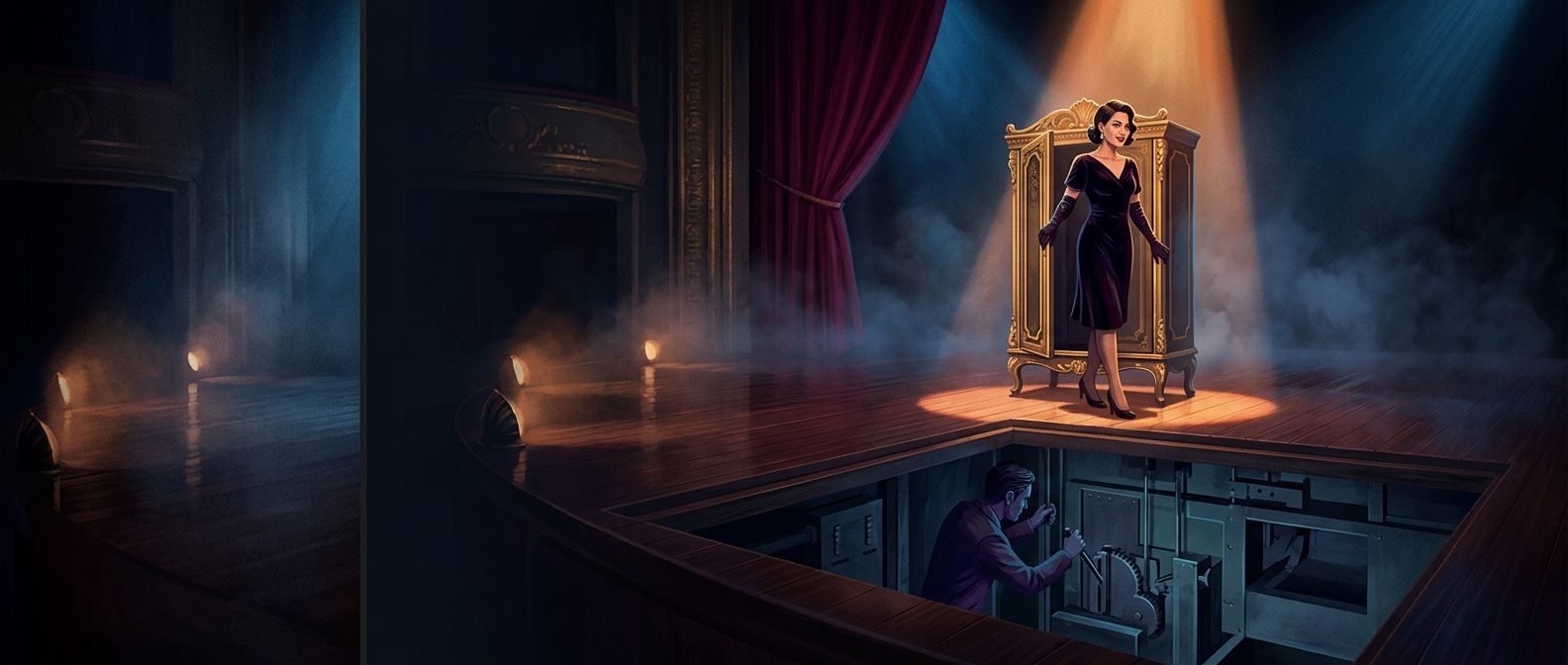
That privacy can matter beyond the performer. A trick may involve a prop maker, an assistant, a venue crew member, or someone handling an animal or equipment. Each additional person who knows how a concealed feature works creates another chance for the method to spread, intentionally or by accident.
What an Agreement Can—and Can’t—Do
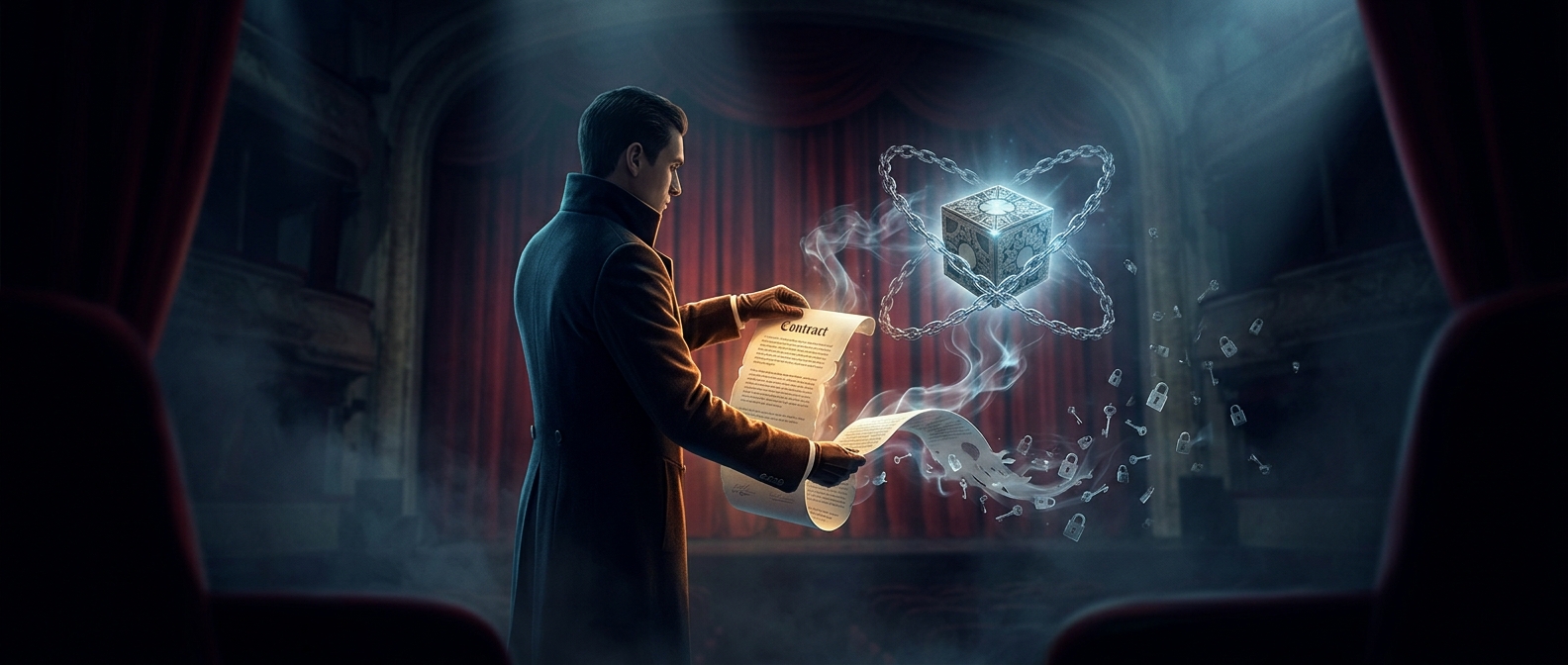
A nondisclosure agreement, or NDA, is a contract in which someone promises not to share specified confidential information. In magic, it can set expectations before a person is given access to a method, prop, or backstage procedure. The agreement is a practical boundary: it tells collaborators what they may not reveal and can give the performer a basis to challenge a breach.
But signing an NDA does not make a secret unknowable or bind every audience member. Its reach depends on who agreed to it and what the contract covers; it cannot stop spectators from discussing what they believe they saw. The arrangement is most useful where the secret is exposed by trust—during rehearsal, construction, or backstage work. The contract protects access to the method, while the performance protects the illusion in public.