Why Button-Pressing Trains a Small Part of You
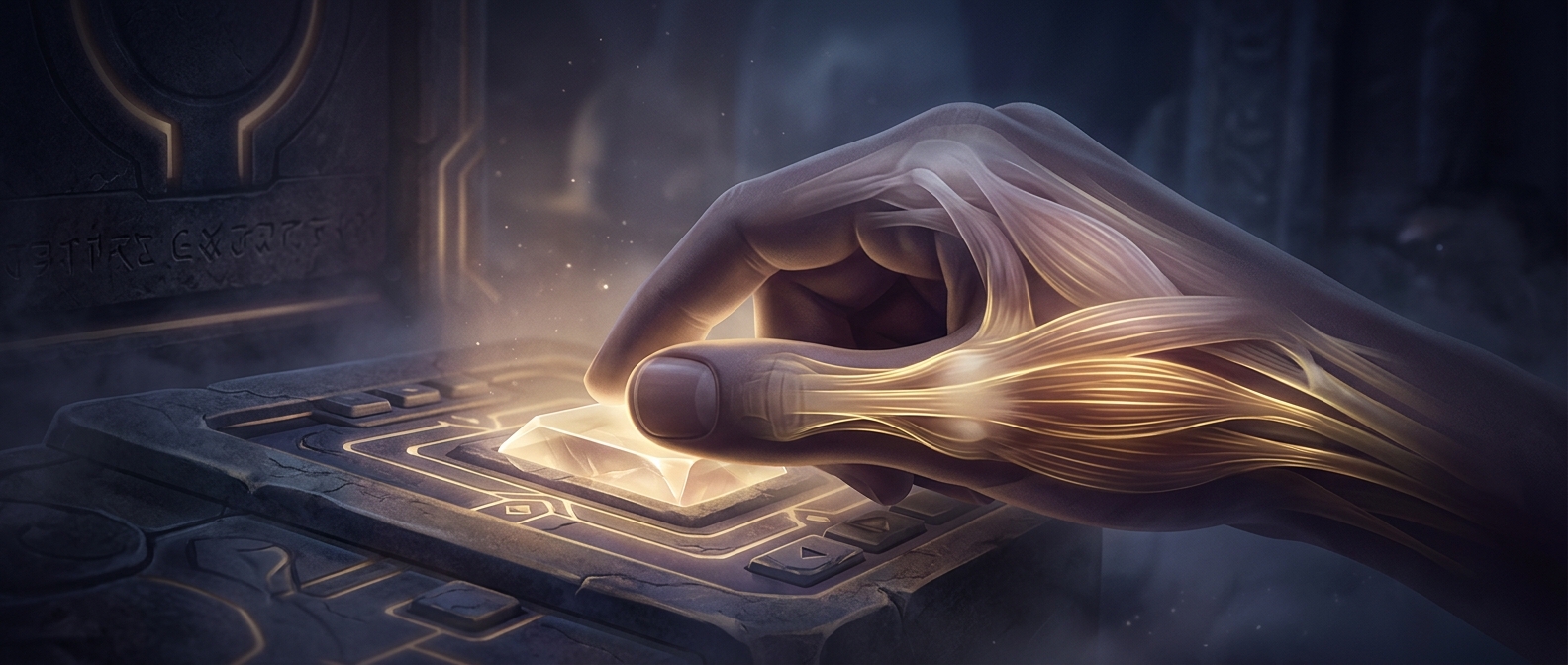
A thumb press is a tiny strength exercise: muscles in the hand and forearm contract to move the thumb against the resistance of a button or touchscreen. Repeat that action often, and those muscles get practice doing that particular job. They may become better at producing the small, repeated movements—and more able to keep doing them without tiring.
That adaptation is local. The thumb’s muscles do not make the legs, back, or heart work harder, so hours of tapping cannot stand in for activities that challenge those parts of the body. Even within the hand, button presses usually involve little resistance. They are more likely to build control and endurance than to make the thumb visibly larger.
What Games Ask of Your Hands
Controllers are built for rapid, repeated input, not for heavy resistance. A game may keep a thumb moving through short presses, but each press is still a low-load effort. The most demanding moments can come from speed and repetition rather than from pushing hard.
That is why a long play session can leave a hand feeling busy while doing little for overall fitness. The body adapts to the work it is asked to do: pressing trains a narrow movement pattern, while broader exercise requires other muscles and systems to join in. Your thumb may get better at its job; the rest of you is mostly off duty.