Why the shears scene changes the stakes
In Outlast, investigative journalist Miles Upshur enters Mount Massive Asylum without a weapon. The player’s main tools are hiding, running and a handheld camcorder, so being caught means surrendering control rather than fighting back. The encounter with Dr. Trager turns that vulnerability into a lasting bodily consequence: Miles escapes, but not untouched.
A horror set piece built around helplessness
Trager is not simply another enemy to outrun. He restrains Miles and treats the injury as part of his twisted control over him. The slow, close-up procedure contrasts with the game’s usual frantic chases, forcing the player to endure the moment instead of solving it with a quick action. That pause makes the asylum’s danger feel physical, not merely atmospheric.
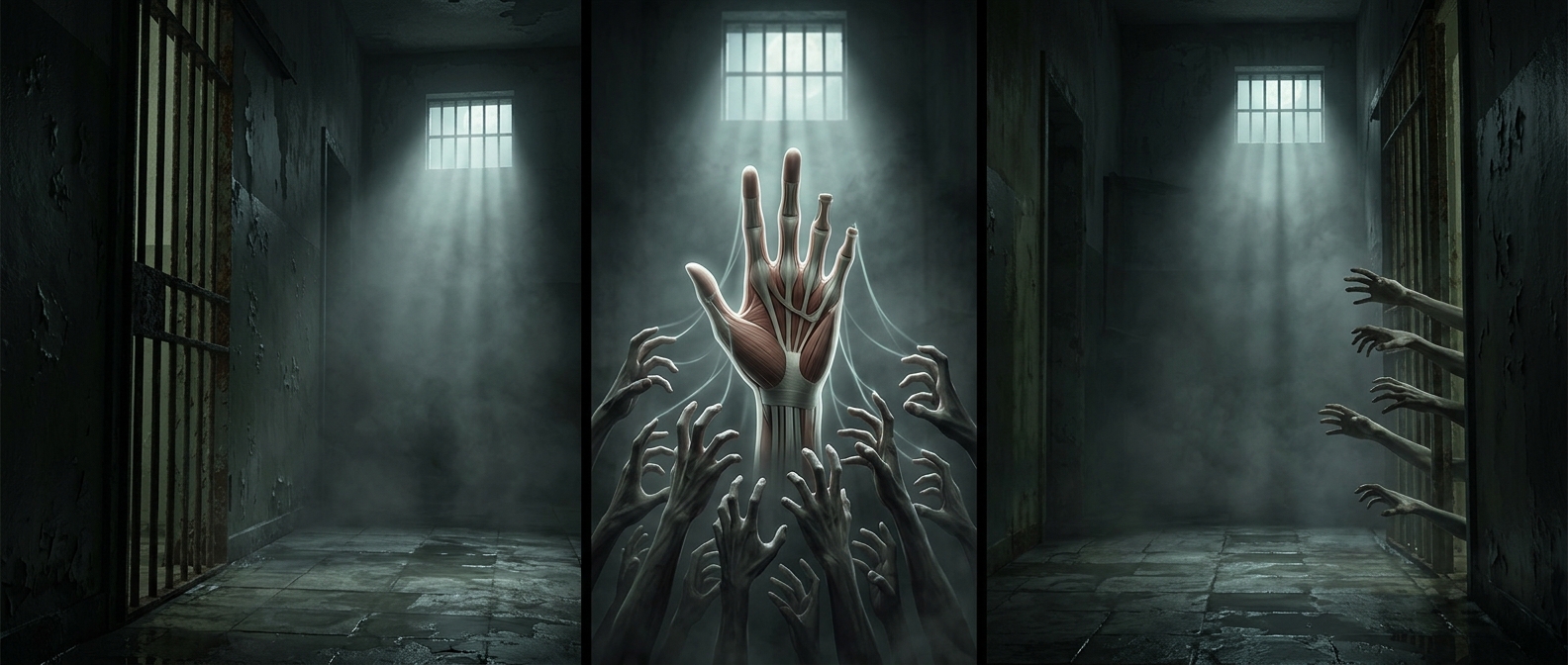
The injury also gives the escape a cost the player can see. Miles’s missing fingers remain a reminder that survival in Mount Massive does not mean emerging unharmed—a grim consequence in a game where the protagonist has no reliable way to fight back.