Why ibogaine can make waking hours feel like a nightmare
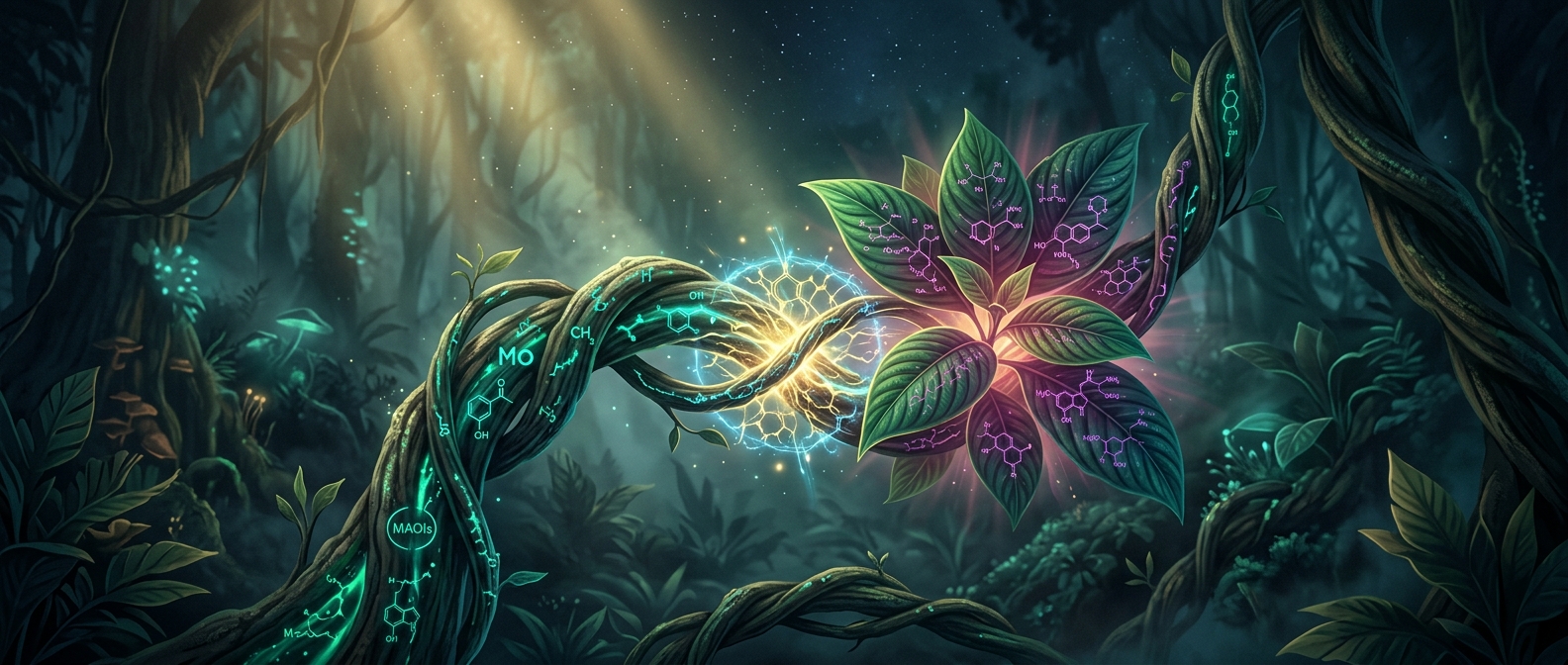
Ibogaine is a psychoactive compound found in the root bark of the African shrub Tabernanthe iboga. In some people, taking it produces a long, dreamlike state while they remain awake: vivid images, memories, and strong emotions can surface over many hours. The experience may feel like intense self-examination, but it can also be frightening, disorienting, or physically exhausting. It is not a predictable experience, and not everyone responds the same way.
What the experience may have to do with addiction
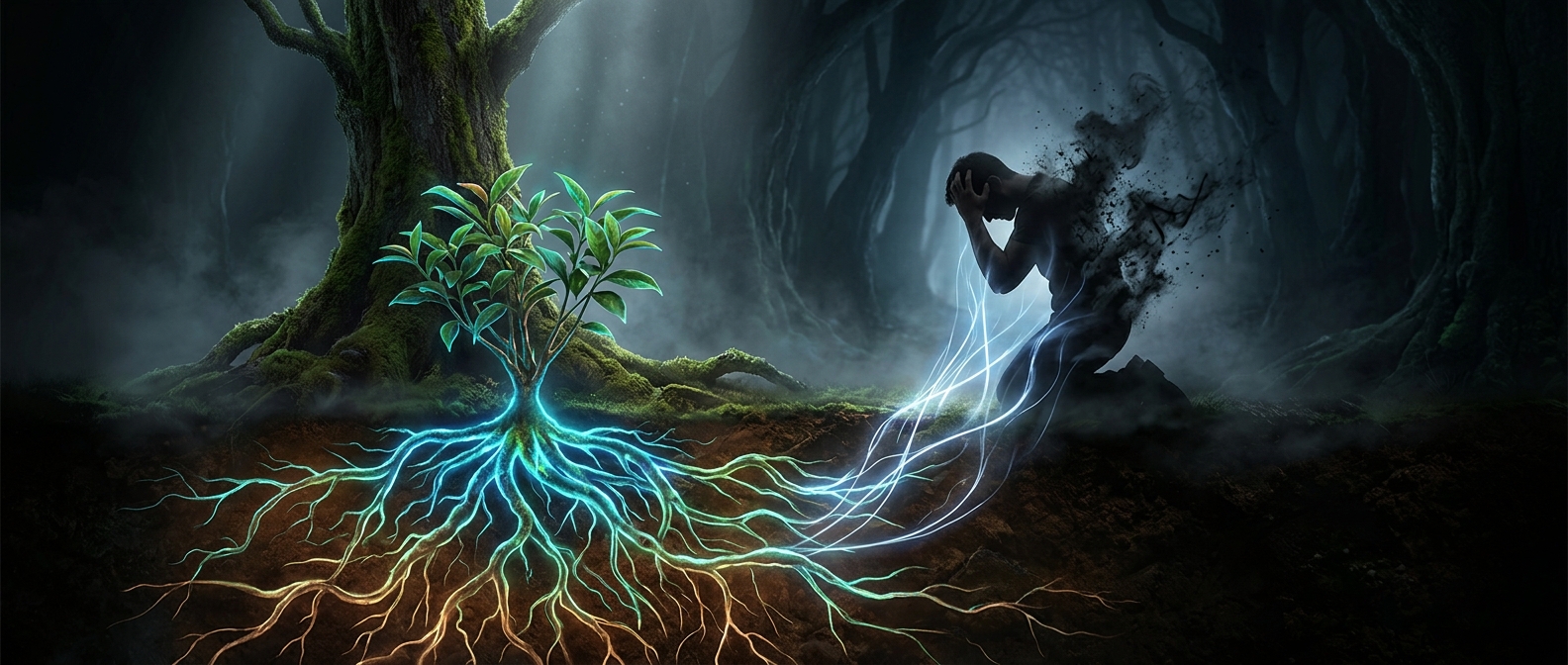
Ibogaine has been used in attempts to ease withdrawal and interrupt patterns of substance use. Researchers have proposed that it affects several brain signaling systems involved in reward, mood, and dependence, rather than acting through just one pathway. The body also converts ibogaine into noribogaine, which remains active after the initial effects. The precise reason some people report a temporary reduction in cravings is not settled, and a powerful experience by itself does not establish lasting recovery.
A psychologically intense drug with physical risks
The same prolonged effects that make ibogaine notable also make it difficult to manage. Ibogaine can disrupt the heart’s electrical rhythm, potentially causing dangerous arrhythmias; risk can be greater when someone is medically vulnerable or has other drugs in their system. Its use is not a simple, self-guided way to treat addiction, and the experience does not replace ongoing care. The striking contrast is that a drug sought for a possible pause in addiction can produce not only an all-night inward journey, but also serious strain on the body.