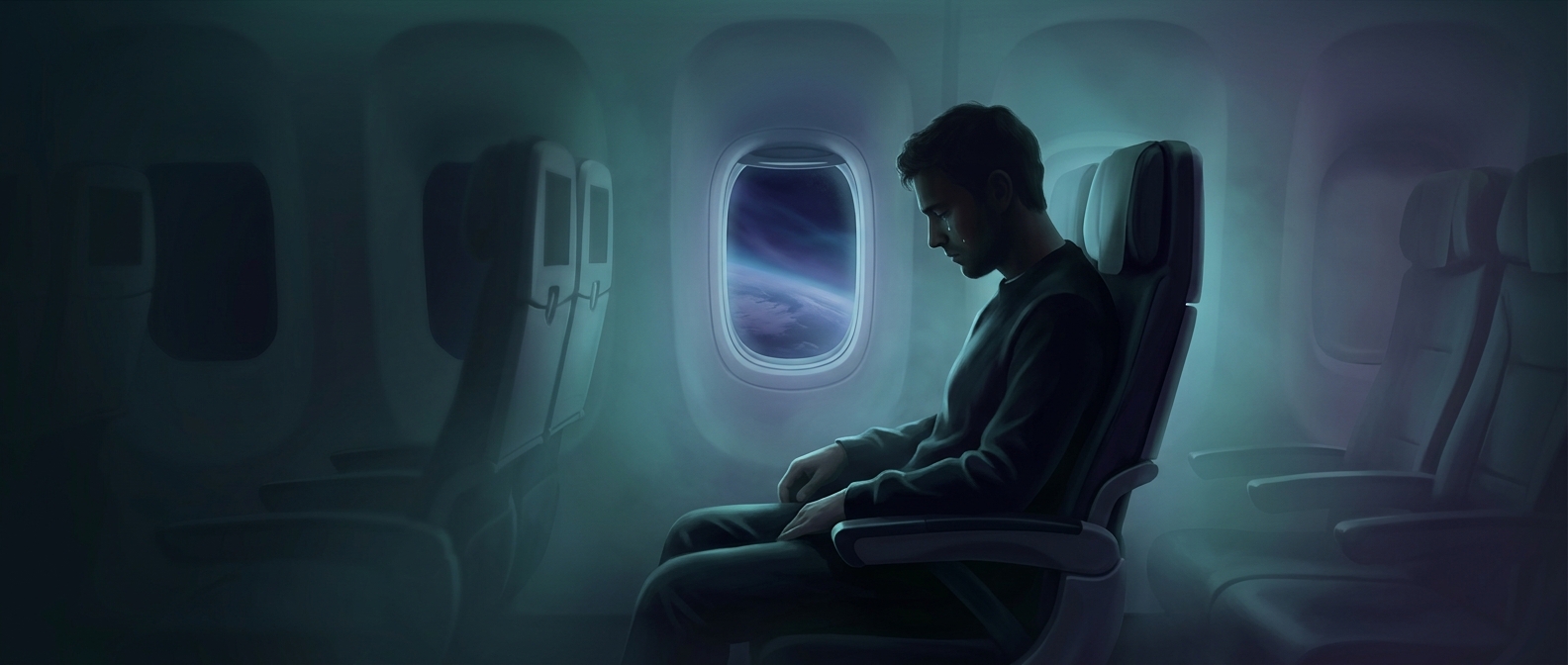
Why a movie can feel more moving in the air
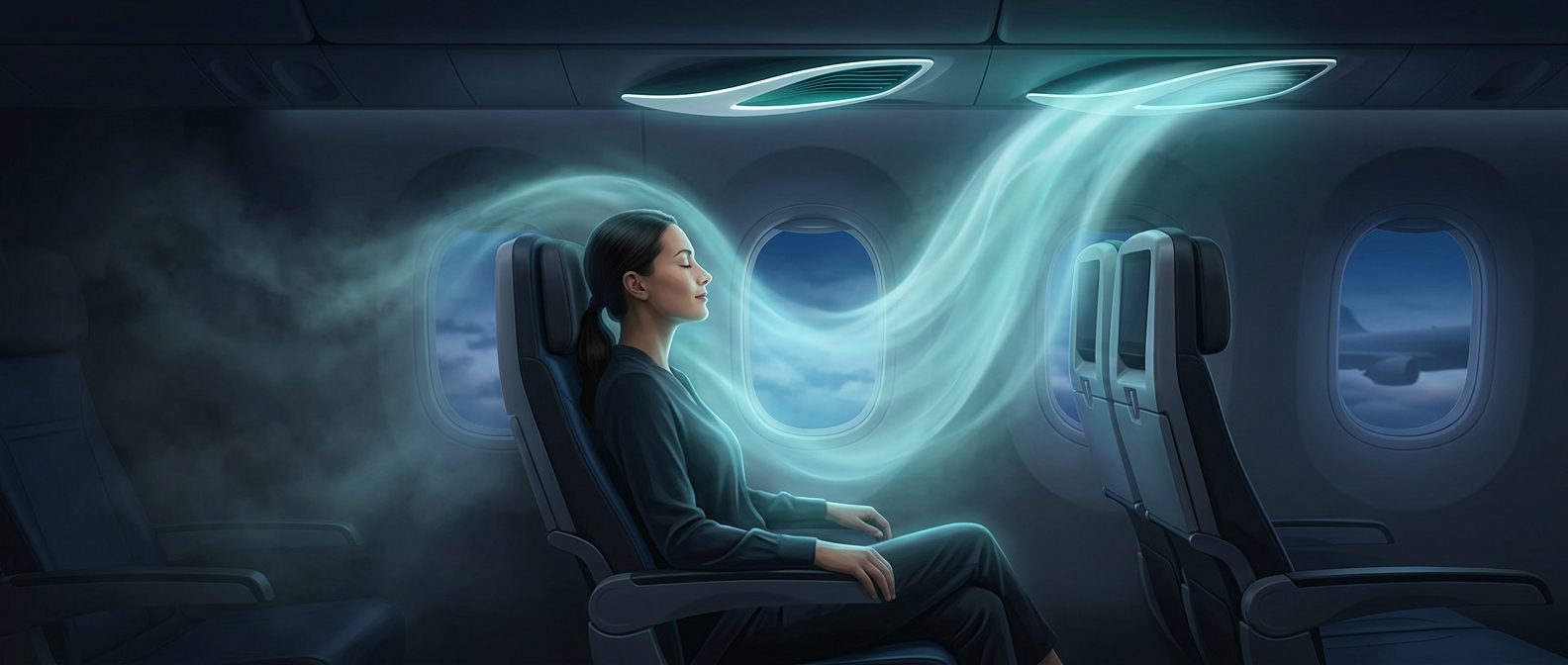
An emotional scene may hit differently at cruising altitude because an aircraft cabin is pressurized to a level below that of most places on the ground. The air still contains about the same proportion of oxygen, but its lower pressure means each breath delivers somewhat less oxygen to the body. This mild change can influence how people feel, especially alongside the other strains of travel.
A small shift, not a switch
The brain helps regulate attention, judgment, and emotional responses. When oxygen availability dips, even modestly, those processes may feel less steady for some people. That does not mean passengers are becoming oxygen-starved in a dramatic sense; cabin pressure is designed to make routine flying manageable for healthy travelers. The possible effect is subtler: a person may be a little more tired, less focused, or more reactive than usual.
A film can give that shift somewhere to show up. Music, close-up acting, and a story’s emotional turns already guide the viewer’s attention. If you are tired or feeling slightly off, the scene’s sadness or joy may seem to land with extra force.
The flight itself matters, too
Altitude is only one part of the setting. A long day, disrupted sleep, the enclosed cabin, and the quiet of watching alone can all shape a passenger’s mood. These factors make it hard to pin a sudden tear on oxygen levels alone, but they help explain why an ordinary scene can feel unusually powerful in the air.
So if a familiar movie catches you off guard mid-flight, the combination may be the point: a story designed to move you, experienced in a body coping with travel and cabin conditions.