How a Turn Can Share an Aurora View
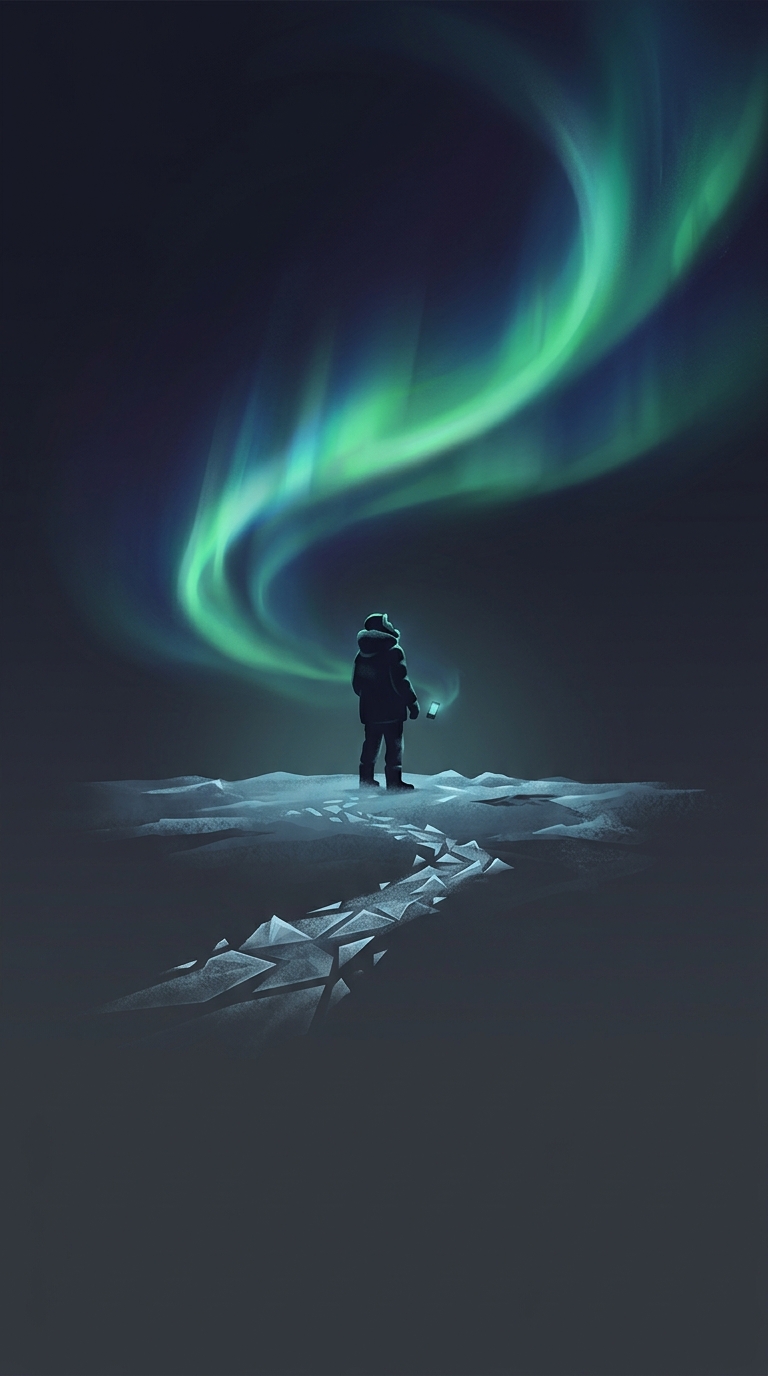
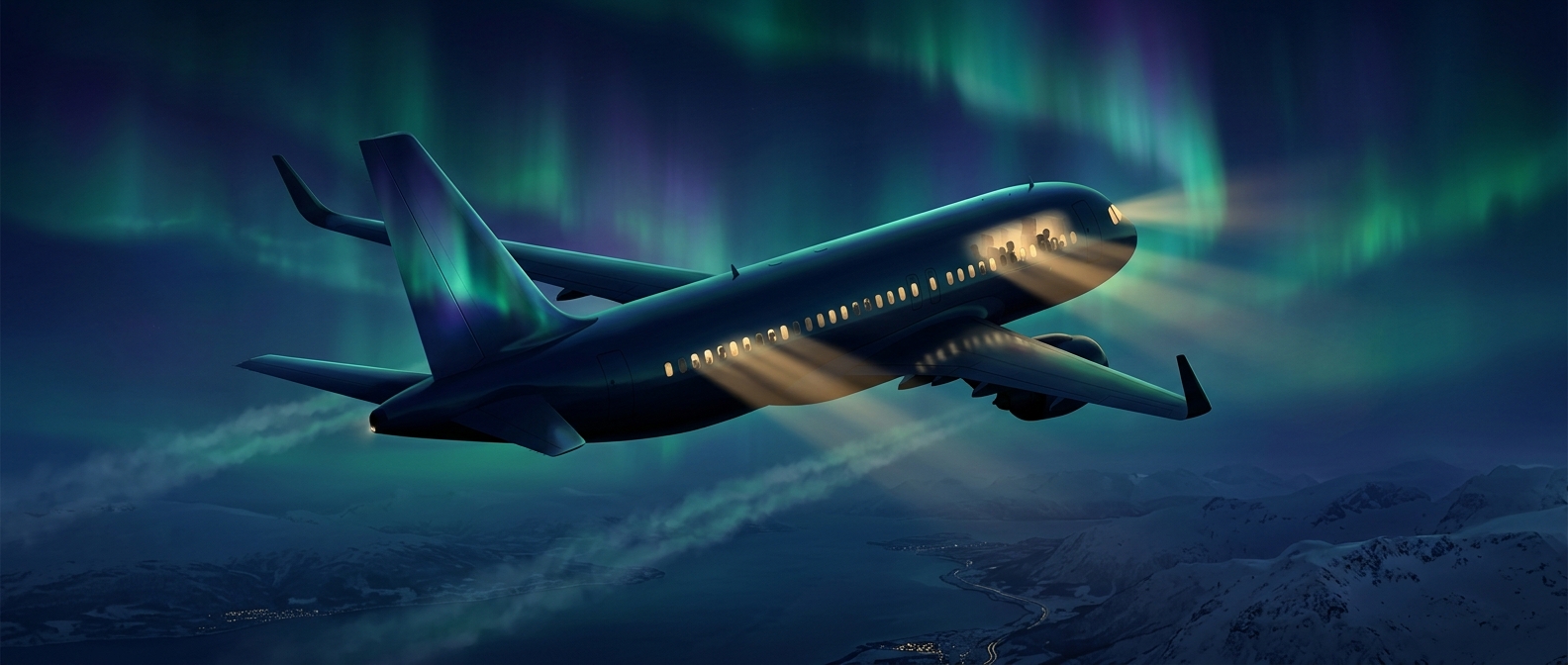
An aurora can spread across a large patch of sky, but a passenger sees it through a small window, often while seated on only one side of the cabin. The aircraft’s direction matters: a glowing curtain may be easy to see from one row of windows and nearly invisible from the other side, depending on where it lies relative to the plane.
A gentle change of heading can shift that view. As the aircraft turns, the aurora’s position relative to the cabin changes, giving passengers on the opposite side a chance to look toward it too. The turn is not about flying closer to the lights: auroras form far above an airliner’s cruising altitude. It is a way to change which part of the sky is visible from each set of windows.
A View Is a Bonus, Not a Route Plan
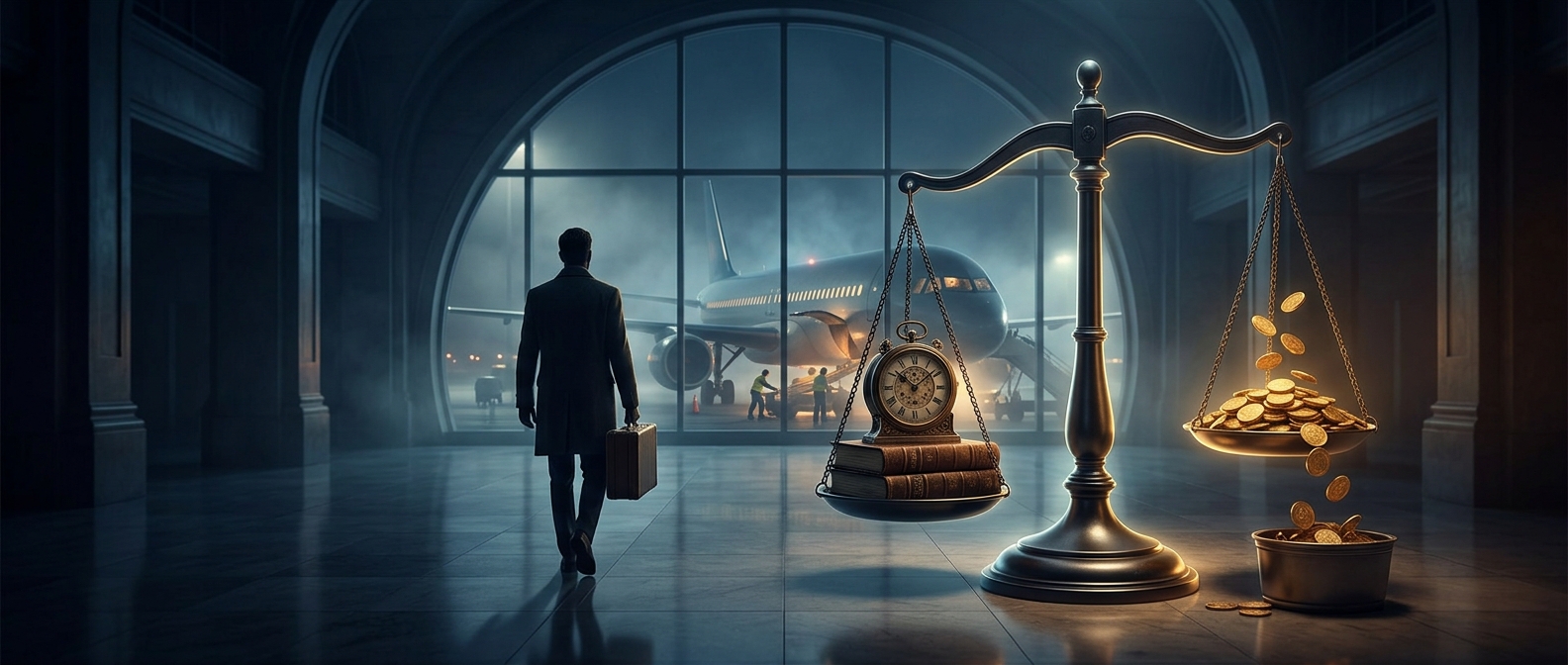
Pilots can only make such a maneuver when conditions allow. The flight still has to follow its planned route and comply with air-traffic instructions, while avoiding weather and maintaining safe separation from other aircraft. A turn also costs time and fuel, so the opportunity may be brief—or not practical at all.
That makes the moment a small coordination between the sky and the cabin: the aurora must be visible, the aircraft must have room to maneuver, and the change in heading must fit the flight’s operational needs. When those pieces line up, a slow turn can turn a one-sided spectacle into a view shared across the plane.