Why the Arctic Is a Better Place to Look
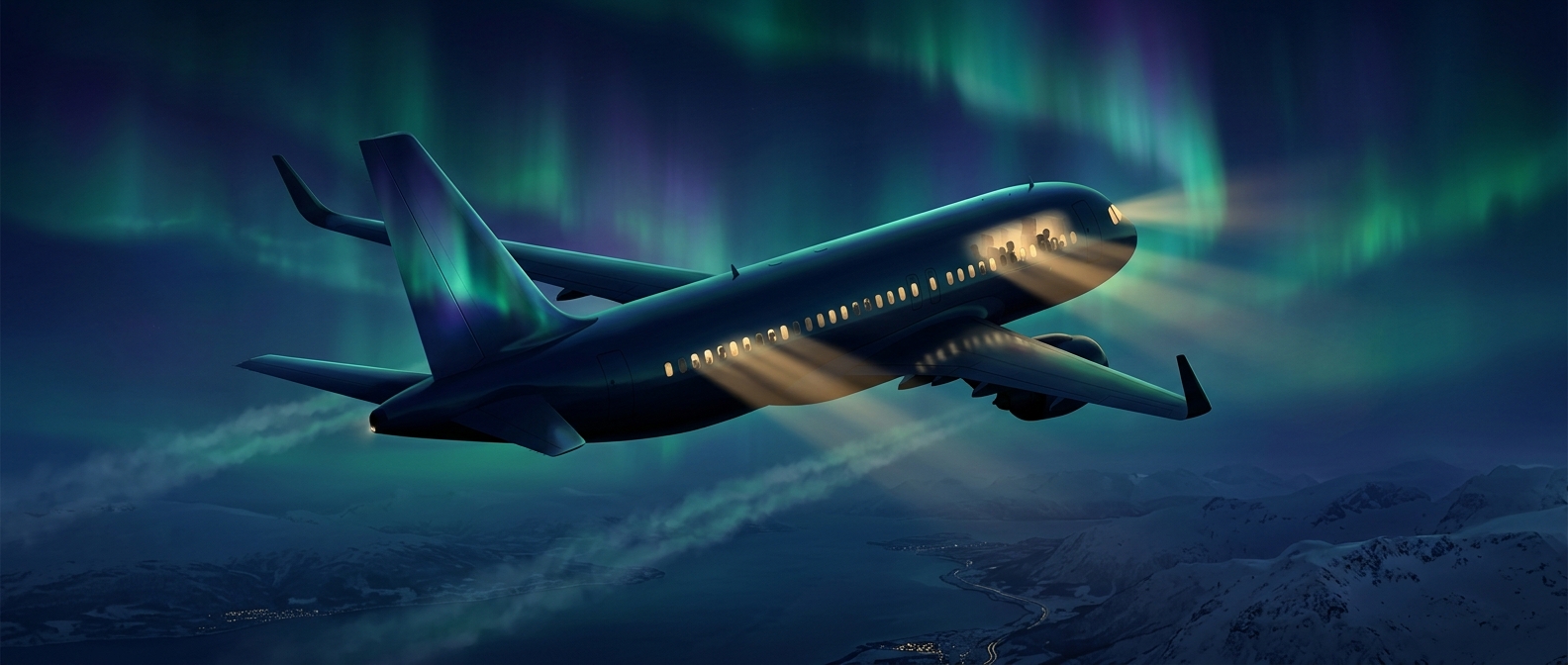
Auroras cluster in an oval around each magnetic pole, rather than appearing only at the exact pole. That puts northern Norway, Sweden and Finland, as well as Alaska, beneath a region where auroral displays are relatively common. The lights can occur elsewhere, too, when solar activity is strong; high-latitude destinations simply offer better odds on an ordinary night.
Darkness Matters More Than the Calendar
Winter is popular because long nights provide more hours of darkness, not because cold weather makes auroras happen. A clear, dark sky is essential: clouds can hide a display, and city lighting can wash out faint colors. This is why travelers often leave towns for open countryside, coastlines or other places with a wide view and little artificial light.
The tradeoff is that the same season that brings the longest nights can bring biting cold, wind and difficult travel. Waiting outdoors is easier with insulated layers and a warm place nearby; checking the sky from shelter between outings can make the search more manageable. Even at a prime destination, auroras are not scheduled performances—the sky may stay quiet or cloud over.
The Landscape Shapes the Experience
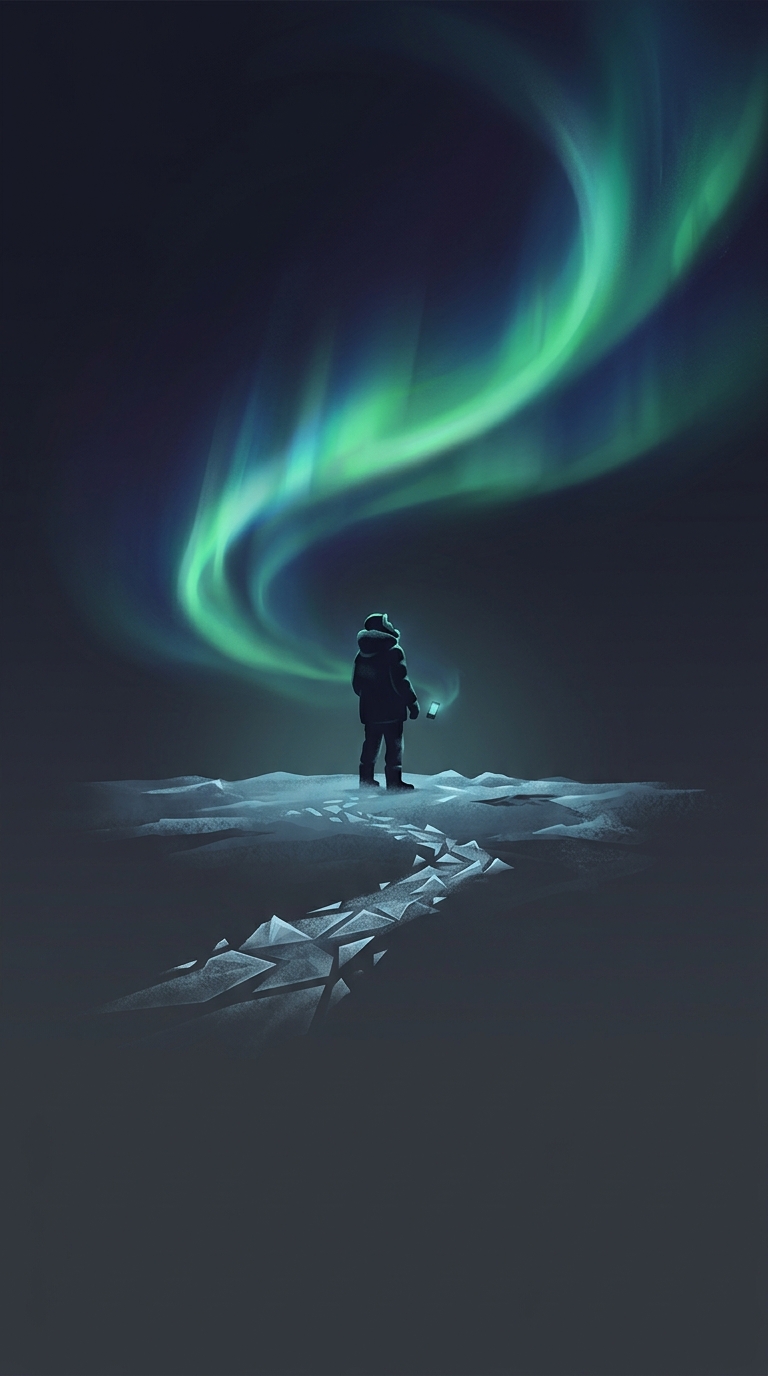
In northern Scandinavia, roads and settlements can make it possible to move between coastal and inland skies as local weather shifts. In Alaska, vast distances and sparse settlement can mean a darker horizon but also a longer journey to reach it. Either way, the memorable moment is often not a brilliant ribbon overhead but the first faint glow becoming visible as eyes adjust to the dark. A good aurora trip is as much a plan for darkness, weather and warmth as it is a hunt for the lights.