How discarded electronics become a pollution problem
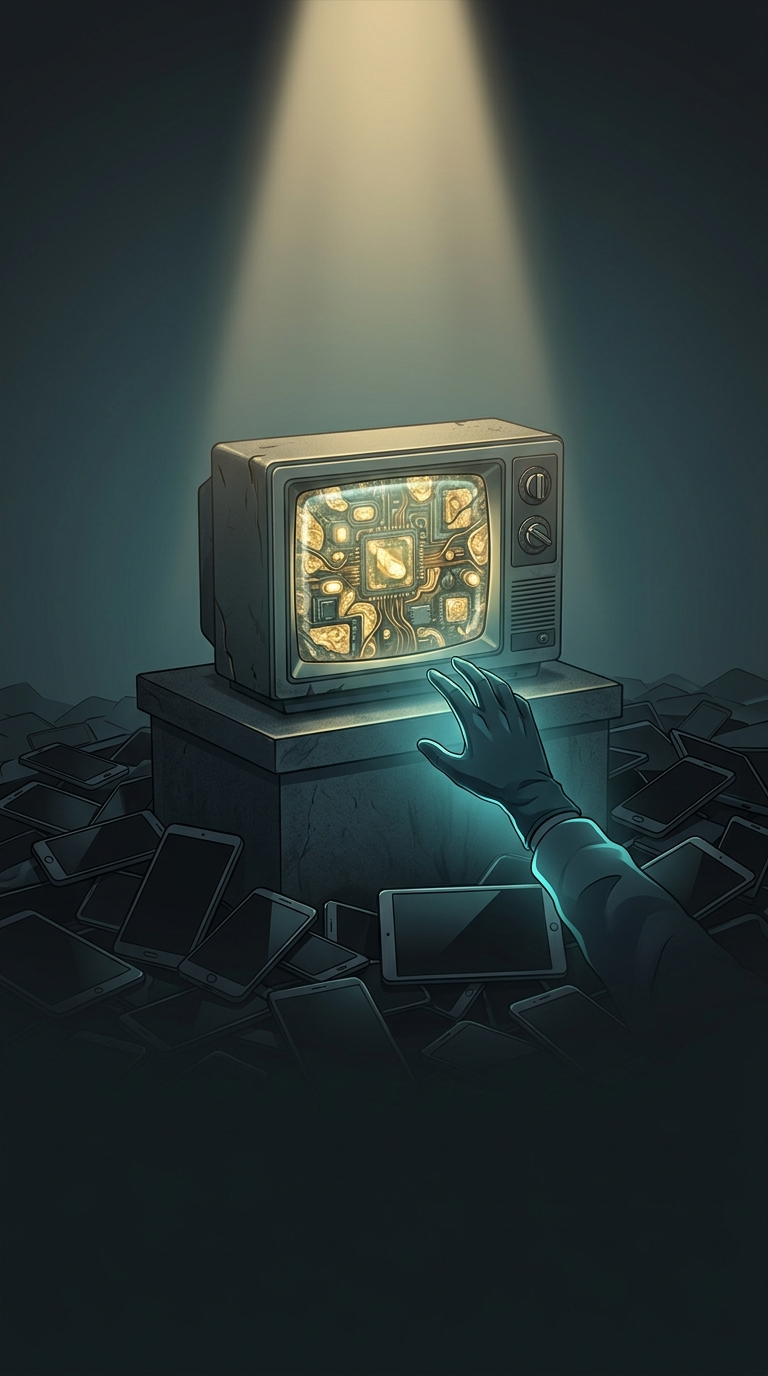
A broken computer is not just plastic and metal. Its circuit boards, batteries, cables, and screens contain materials that can be valuable when separated safely—and hazardous when handled carelessly. In places where formal recycling is limited, workers may take devices apart by hand to recover copper, aluminum, and other saleable materials.
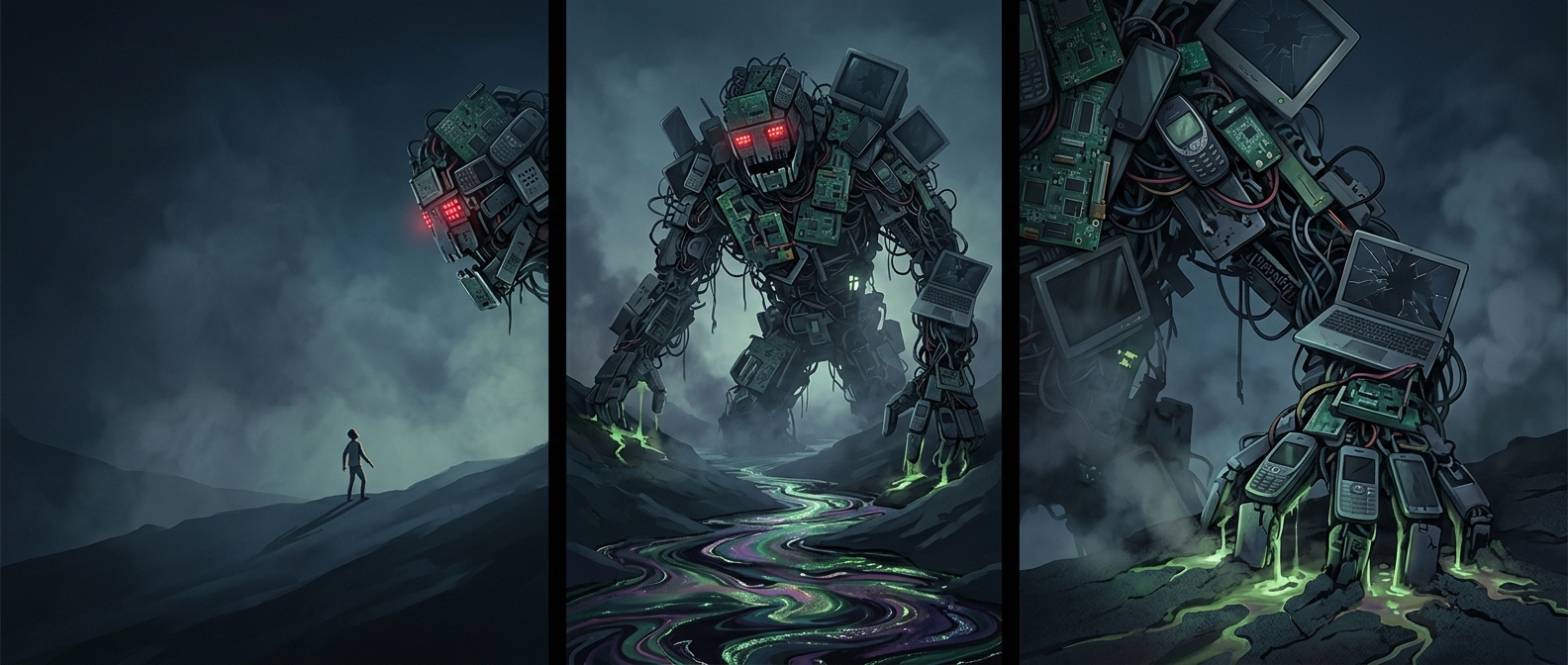
One especially damaging shortcut is burning insulated cables. The heat removes plastic from the copper, but it can also release harmful smoke and leave contaminated ash. Breaking or smashing components can scatter dust. Batteries and circuit boards add further risks if they are crushed, heated, or dumped where rain can carry residues into soil and water.
Why informal recovery persists
The work continues because usable metal has a market, while safe processing requires equipment, training, and investment. For a worker earning money from each salvaged part, burning a cable can be faster and cheaper than using a controlled stripping process. The environmental cost—smoke, ash, and contaminated ground—is not necessarily paid by the buyer of the recovered metal.
That mismatch links distant consumers to local conditions: a device discarded in a wealthier country may pass through traders and recyclers before its parts reach a salvage site. But the route is not always international; electronics discarded within Ghana can also enter the same recovery chain.
The residue outlasts the sale
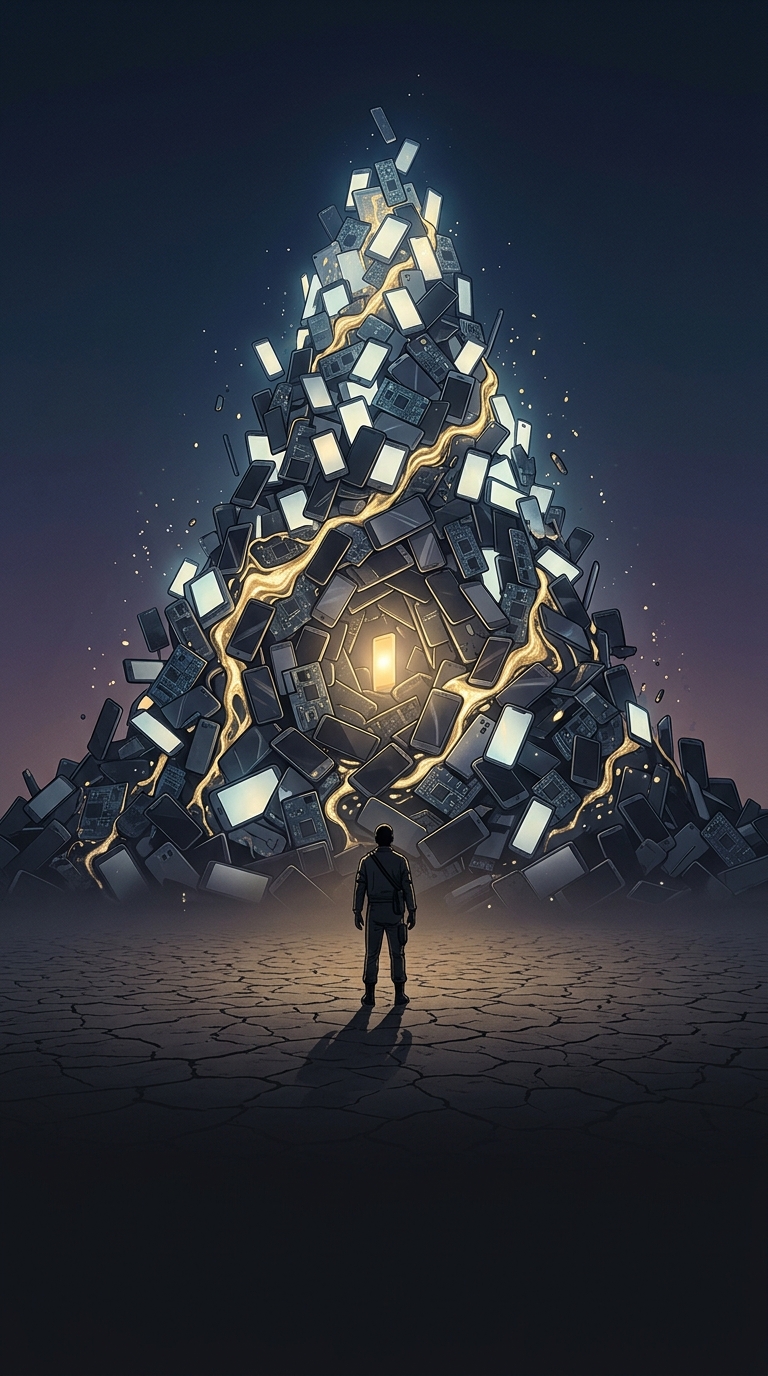
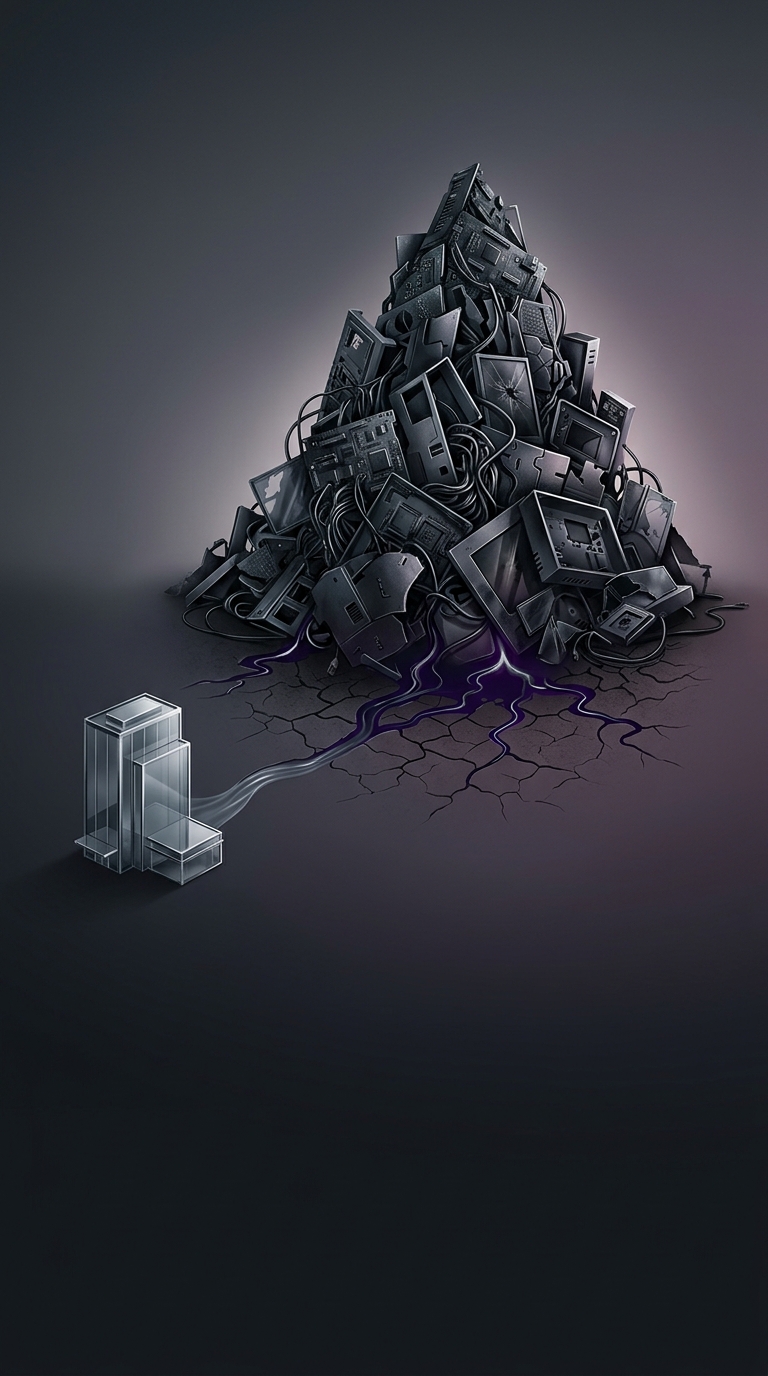
Once useful components are removed, low-value plastics and mixed leftovers can remain behind. Metals such as lead or cadmium, when present in discarded equipment, can persist in contaminated material rather than simply disappearing. Recovering a valuable fraction does not make the rest of the device harmless. That is why safer collection and processing matter as much as keeping electronics out of ordinary rubbish: the real cost of a cheap recovery method can remain in the ground long after the copper has been sold.