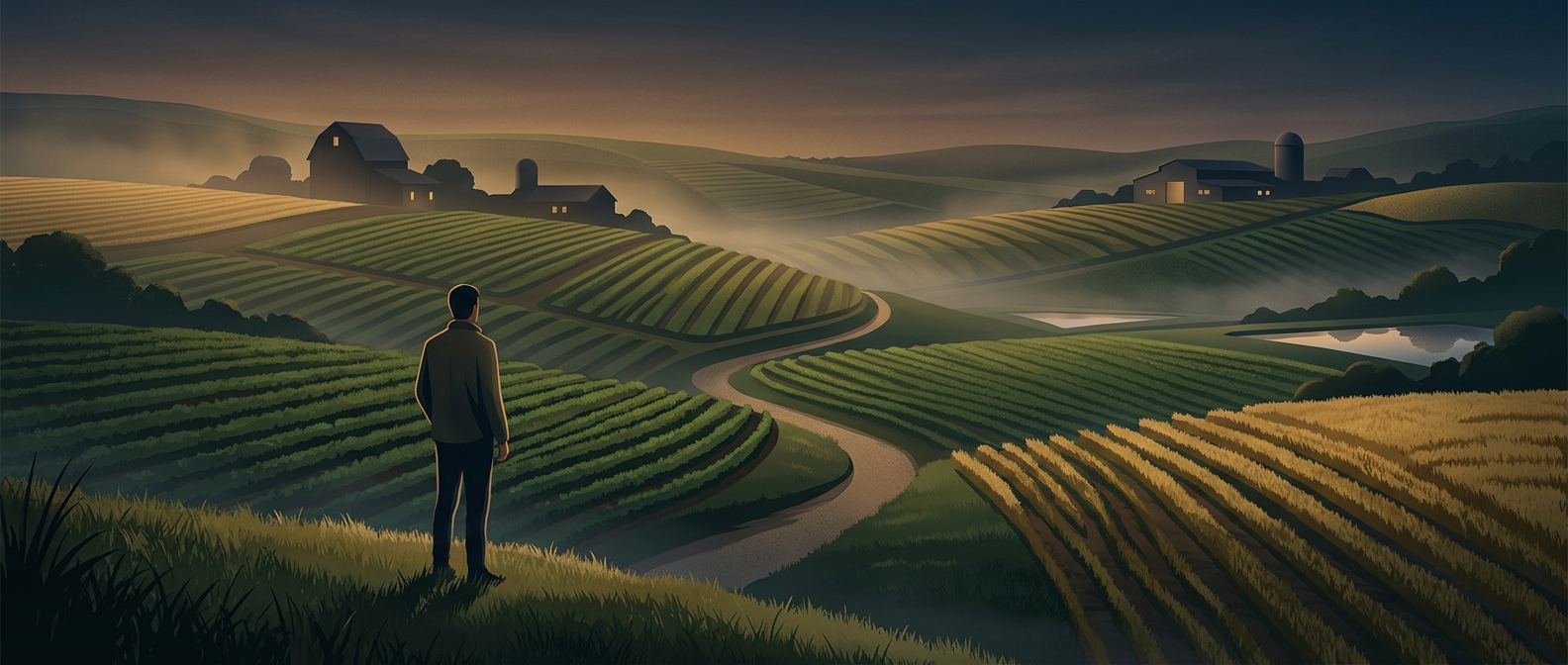
Why a Working Farm Can Become a Destination
A farm visit sells something a conventional sightseeing stop often cannot: a close look at work that usually happens out of public view. Guests may feed animals, gather eggs, or try a seasonal task, while the farm continues its ordinary business around them. The appeal lies partly in the contrast: a visitor can handle a small, supervised piece of rural routine without taking on its daily obligations.
A Second Income Stream With Limits
For the farm, hosting visitors can bring in money beyond the sale of crops, livestock, or other products. That matters because farm income can vary with harvests, prices, and weather. Lodging, tours, meals, or hands-on activities can make use of a farm’s setting and knowledge, while giving visitors a reason to stay longer and spend locally.
But welcoming guests is not simply opening a barn door. Animals need predictable care, equipment and work areas can be hazardous, and visitors can carry germs between farms. Hosts have to fit activities around the farm’s schedule, set boundaries, and keep people away from sensitive areas. The more the visit resembles real work, the more carefully it must be managed.
The Experience Is Curated, Even When the Work Is Real
A visitor might get to try a chore, but usually in a brief, guided form. That distinction lets a farm show how food production works without asking guests to take responsibility for the animals or the operation. It also explains the price: visitors are paying not just for a view, but for access, instruction, and the time required to make a working place safe to visit.
The result is a small exchange between town and countryside: the farm earns from its landscape and expertise, and guests leave with a more tangible sense of what ordinary farm work involves.