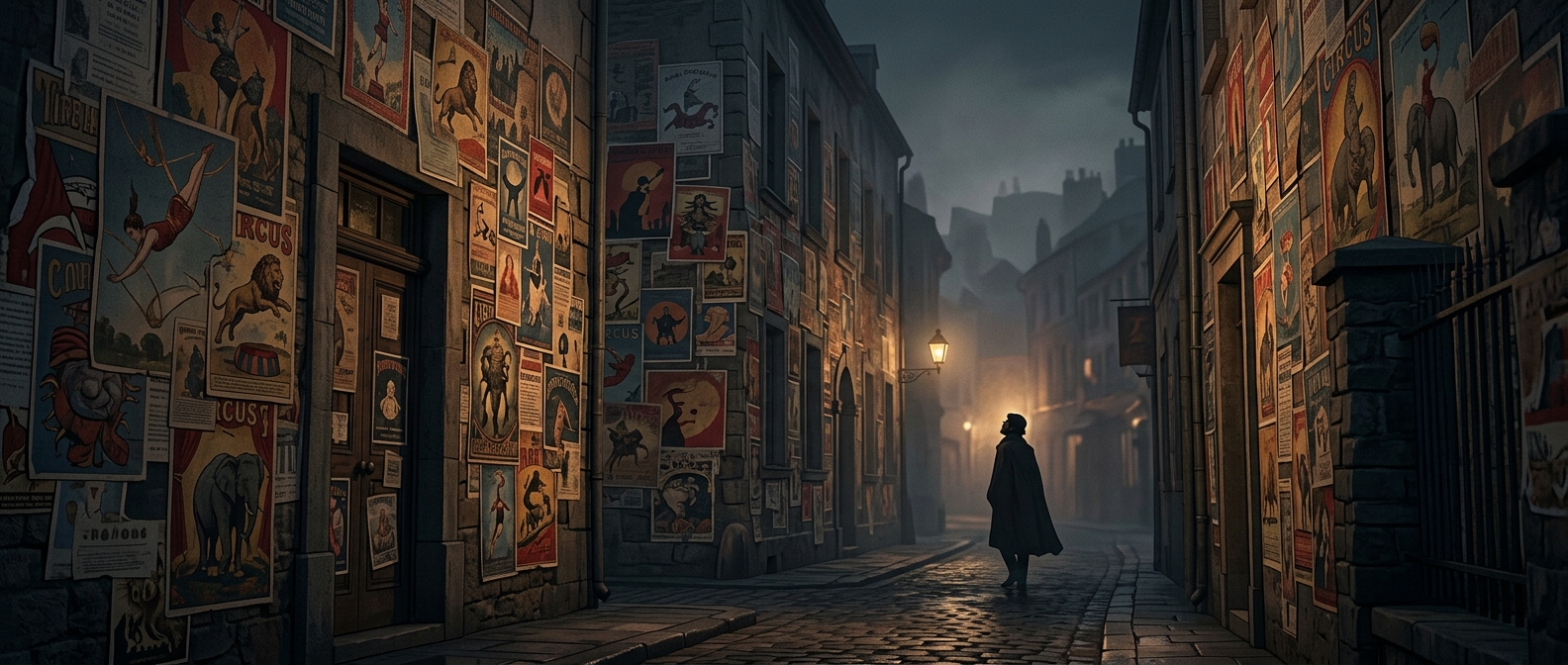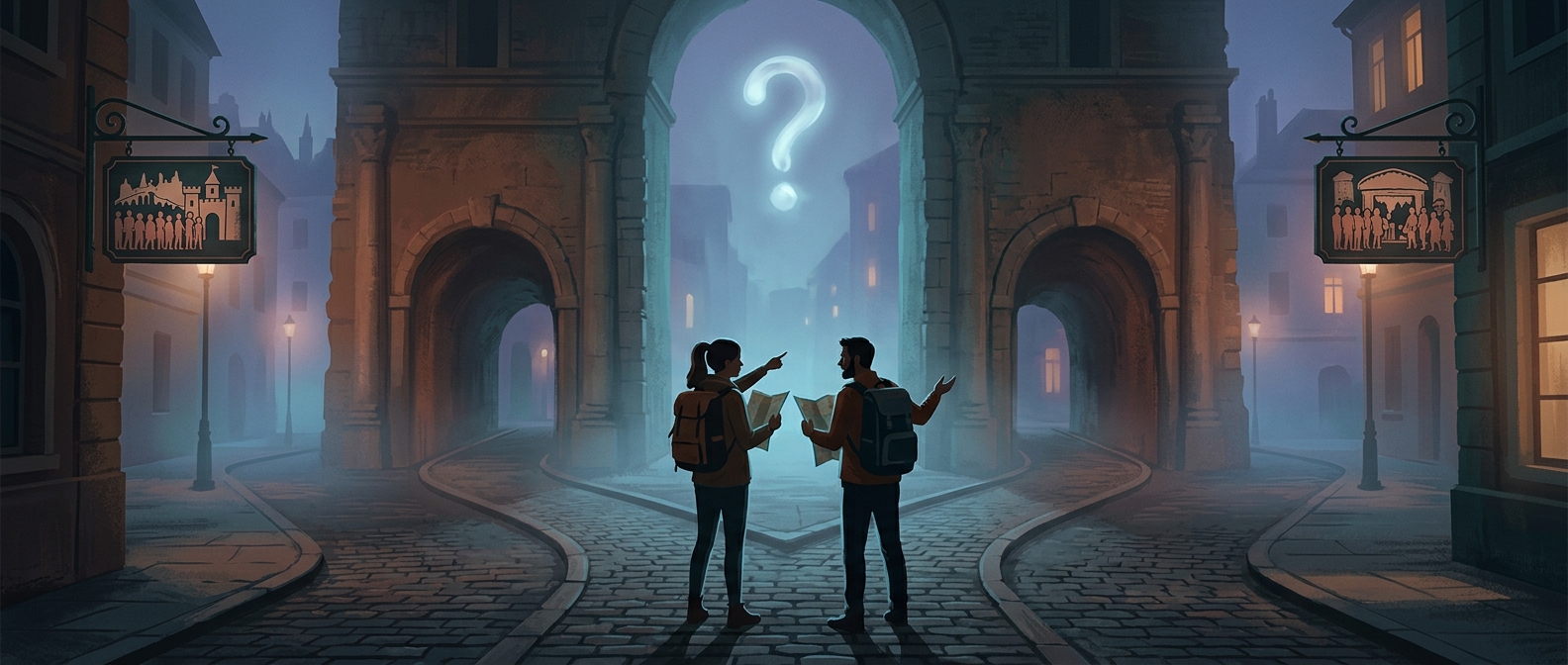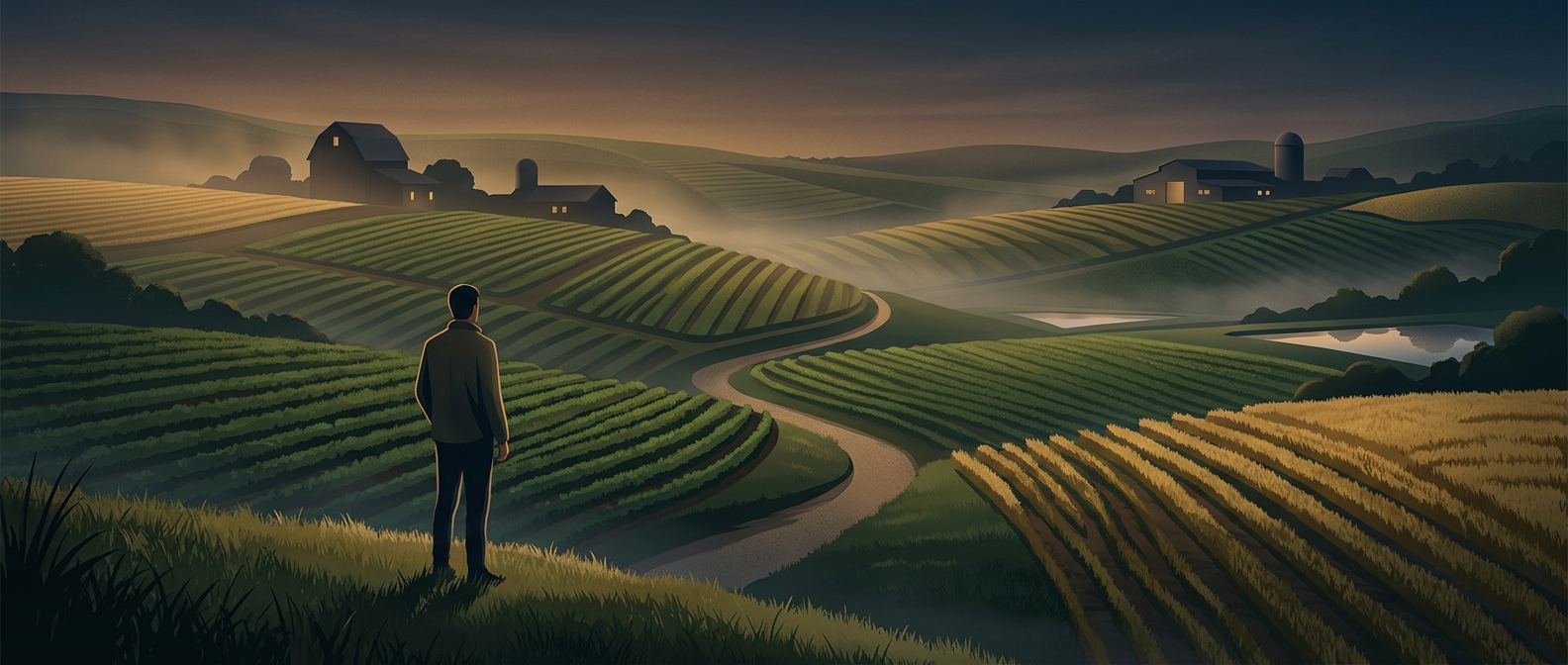
A page can turn distance into a scene
A travel account does more than name a faraway place. It gives the reader details to picture: the shape of a street, the color of a landscape, the sounds and routines described by someone who has been there. Images make that mental picture more immediate. A photograph can show how a place is arranged; a written account can explain what lies outside the frame and what it feels like to move through it.
Together, words and images let readers build a partial experience in their imagination. That is the appeal of armchair travel: the destination remains physically distant, but its details become familiar enough to explore mentally.
From printed pages to personal screens
The printing press helped travel stories and pictures circulate beyond the people who could make the journey themselves. Printed descriptions and illustrations brought places into homes, where readers could revisit them at their own pace. Later forms of photography widened that visual record, and digital images now make it possible to move quickly from a mountain view to a street market or a museum interior.
The medium changes, but the basic invitation is similar: follow someone else’s route and use their account to imagine your own presence there.
The frame is also a limit
A photo captures a particular viewpoint, not an entire destination. It cannot by itself convey how a place changes through the day, what a neighborhood is like beyond the image, or how local life feels from within. Travel writing can add context, but it too reflects the writer’s choices about what to notice and describe.
That incompleteness is part of what makes these accounts compelling: they offer a real glimpse, while leaving enough beyond the frame for the reader to wonder what the journey itself would reveal.