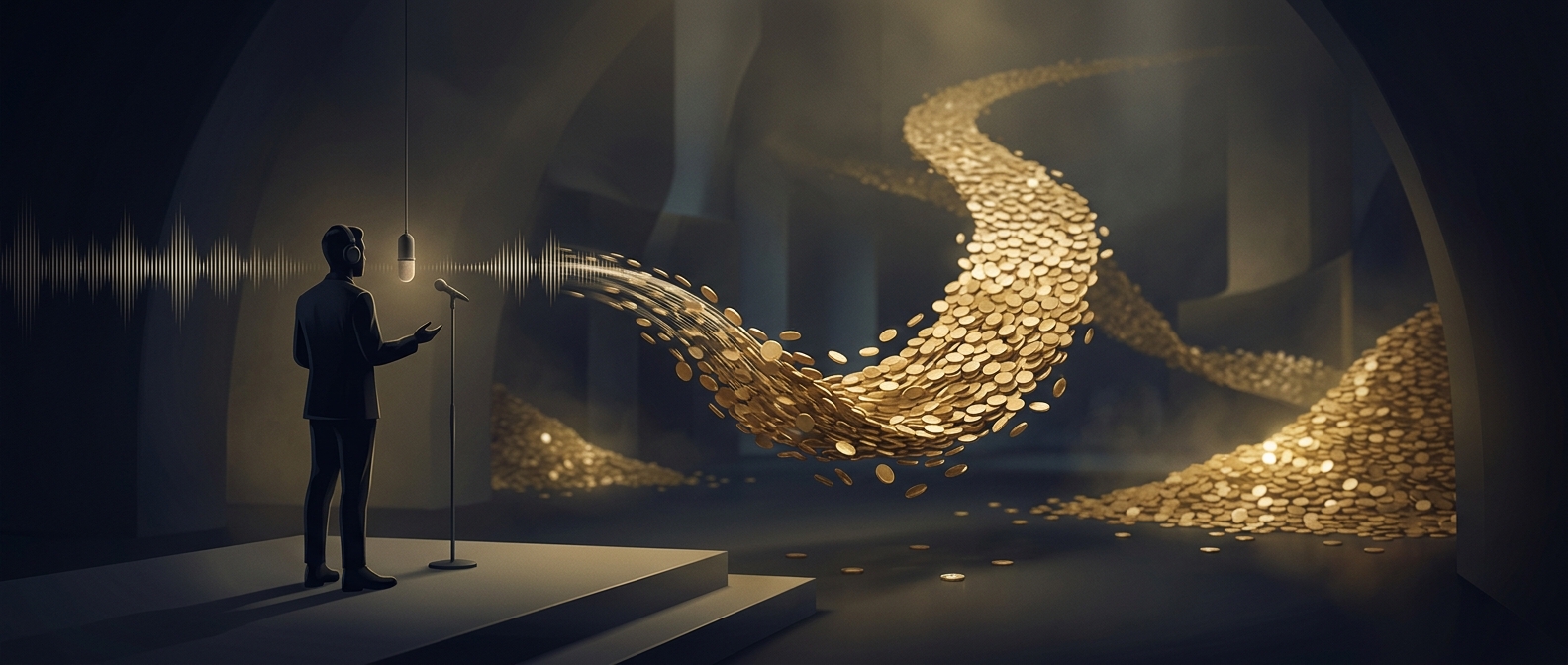
How a roar can function like a studio logo
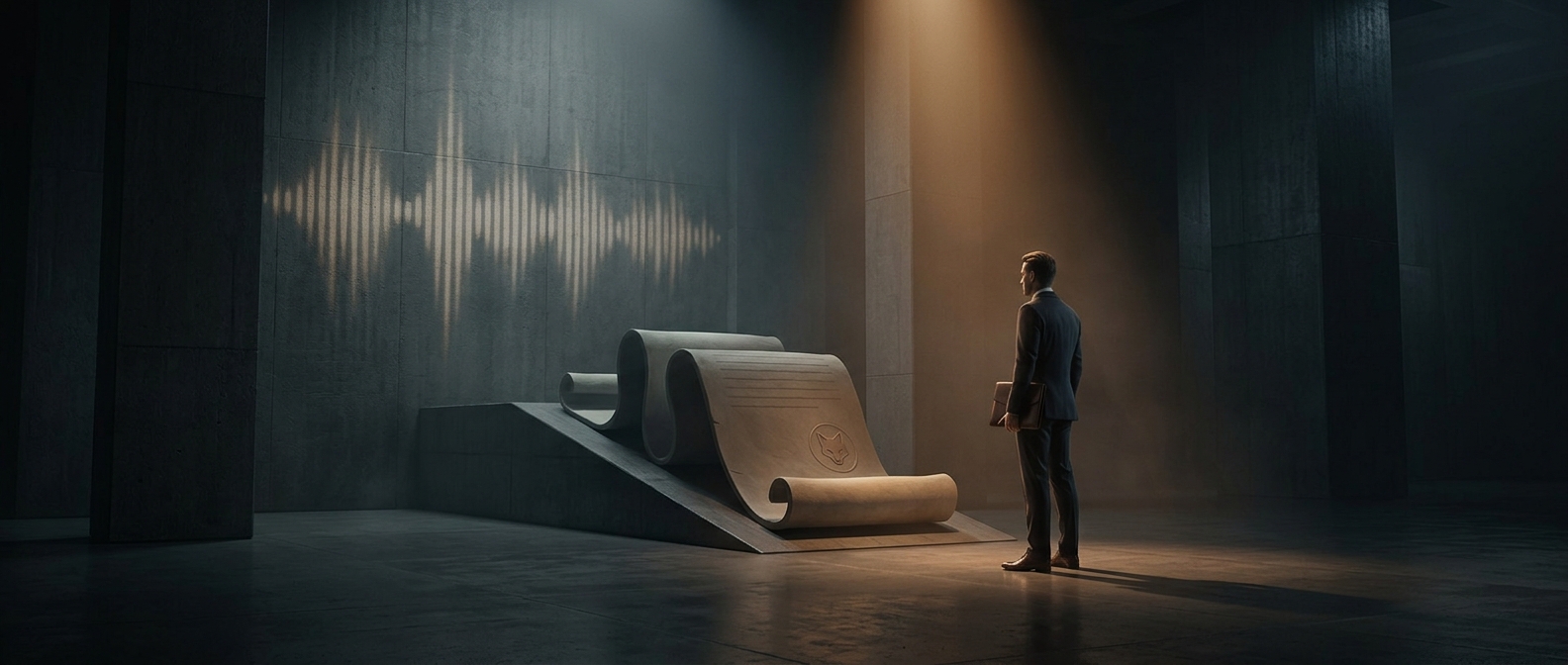
A trademark does not have to be a word or picture. A sound can qualify when audiences recognize it as a signal of who is behind a product or service. MGM’s lion roar works that way: heard at the start of a film, it can identify the studio before a title card or opening scene does.
Registering a sound mark gives a company a way to challenge uses that could confuse audiences about commercial source. The protection is not ownership of the sound of lions roaring in general. It concerns the particular branded audio and its use in a market context where viewers might take it as MGM’s identifier.
The business value is recognition
Studios spend heavily to make films recognizable, and a familiar audio cue can carry that recognition from one release to another. A sound mark helps protect that asset even when it appears without the studio name or emblem. It also gives the company a clearer basis for objecting if a rival uses a similar cue to suggest an association.
That distinction matters: trademark law is aimed at confusion, not at preventing every similar sound. Someone recording a real lion at a zoo is not automatically using MGM’s brand. The question is whether the sound is being used as a commercial signal in a way likely to make people think MGM is involved.
For a studio, a few seconds of audio can therefore do the work of a visual logo—an instantly recognizable opening that also carries legal and economic value.