Turning a Logo’s Motion Into a Brand Asset
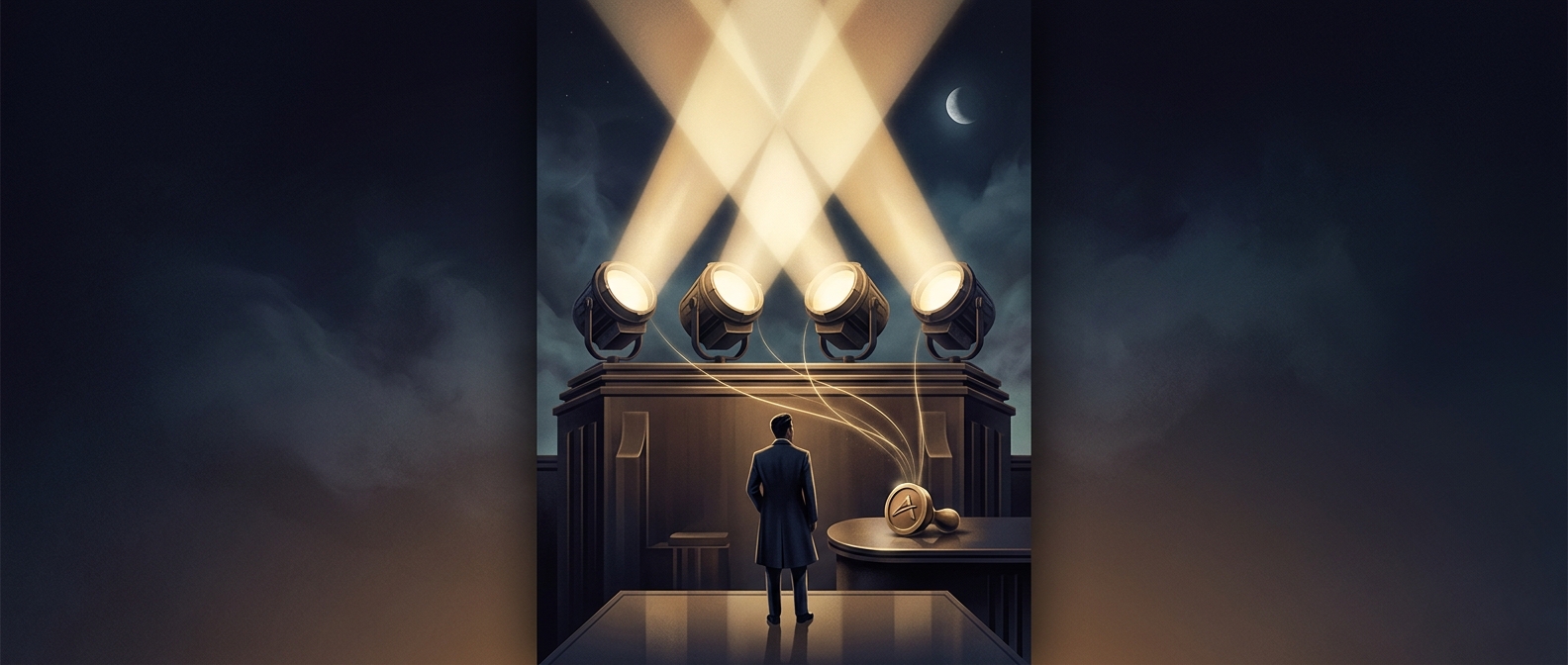
A trademark can protect more than a company name. It can also cover a distinctive visual presentation that helps viewers recognize who is behind a piece of media. Fox’s searchlight design made a familiar lighting effect part of its brand identity: the lights did not merely decorate an opening, but helped signal the studio associated with it.
That distinction matters because searchlights themselves are ordinary imagery. A trademark claim is not a blanket claim over every beam of light or every scene with sweeping spotlights. Its practical force is aimed at uses close enough to the protected design, in a relevant commercial context, to risk making audiences think another company’s work is connected to Fox.
Why Claim the Design
For a media company, an opening sequence can become a valuable shorthand. Viewers may identify the studio before a film’s story begins, and repeated use builds that association over time. Securing trademark protection gives the company a way to challenge imitators who borrow the recognizable presentation to trade on that recognition.
The business tradeoff is precision: a distinctive brand element can be defended, while broad visual ingredients remain available to others. That is why the protected object is the particular searchlight design, not the general idea of dramatic lights sweeping across a screen. The result is a reminder that in entertainment, even a few seconds of visual spectacle can function as a commercial asset.