When Smoke Becomes a Sign
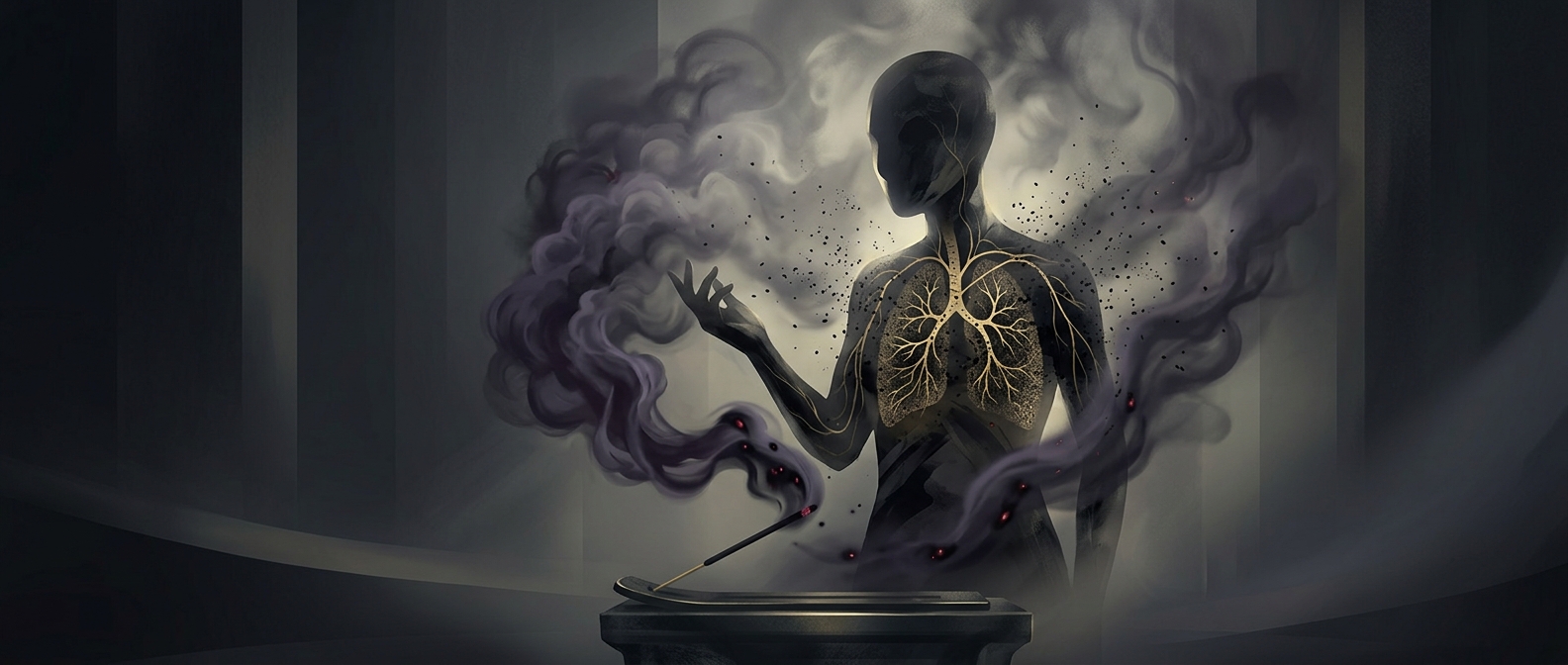
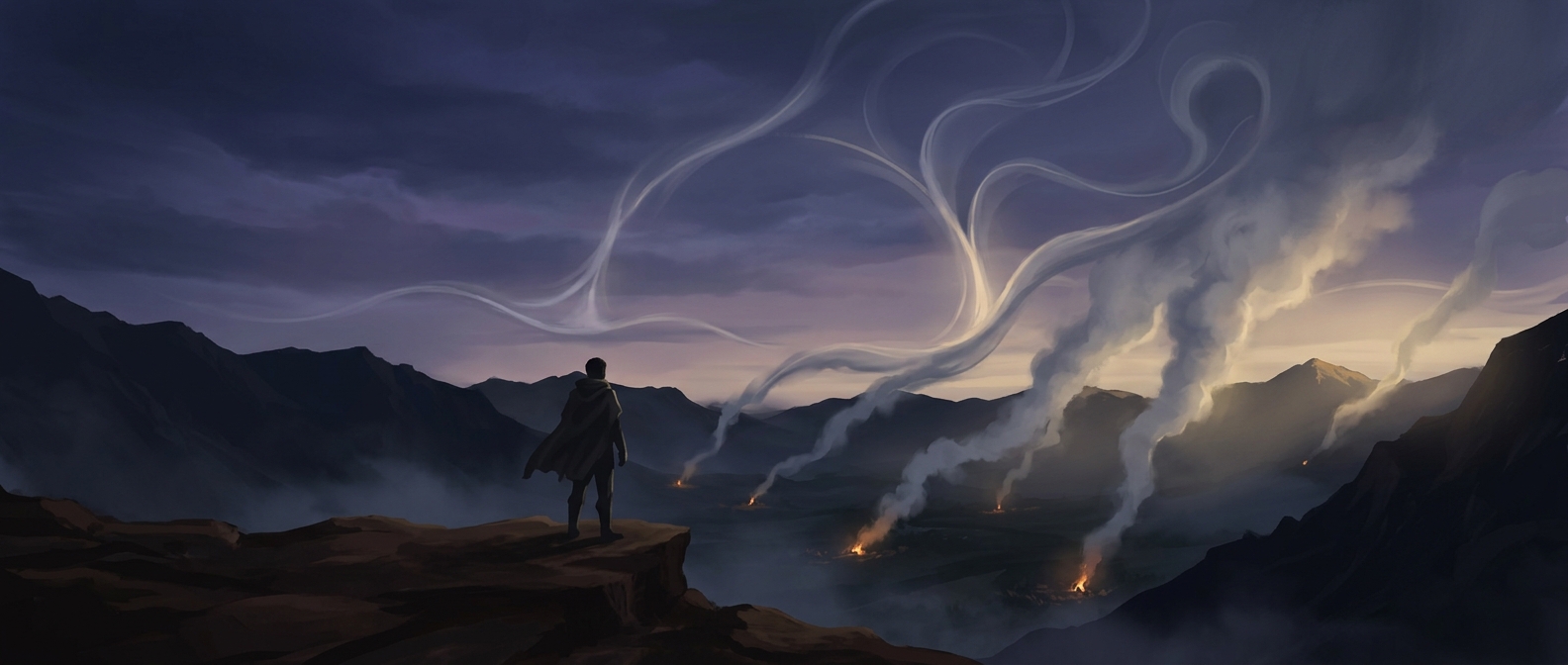
Capnomancy turns an ordinary but changeable sight into a prompt for interpretation. A reader watches smoke rising from a fire or burning material, paying attention to how it moves and spreads. Because smoke is visible yet difficult to control, its shifting shapes can seem to offer a response to a question without spelling one out.
The practice belongs to a broader family of divination: methods for seeking guidance or meaning through signs. In that setting, the plume is not simply a physical effect to describe. Its appearance is treated as significant, and a favorable or unfavorable reading depends on the tradition and the circumstances of the consultation.
One Plume, Two Kinds of Explanation
Smoke’s direction and thickness also have ordinary physical causes. Air currents can bend a plume; the fire, fuel, and surrounding conditions can affect how much smoke it produces and how it disperses. Those changing conditions make smoke an especially open-ended sign: the same rising column can look steady in one moment and disturbed the next.
That openness is part of the practice’s appeal. A ritual gives the observer a way to focus on an uncertain situation and make sense of what they see. The reading expresses a belief about what the sign means; it is not a reliable way to establish what will happen. The memorable image is a plume that seems to carry an answer upward, while its movement remains shaped by the air around it.