What incense smoke leaves in the air
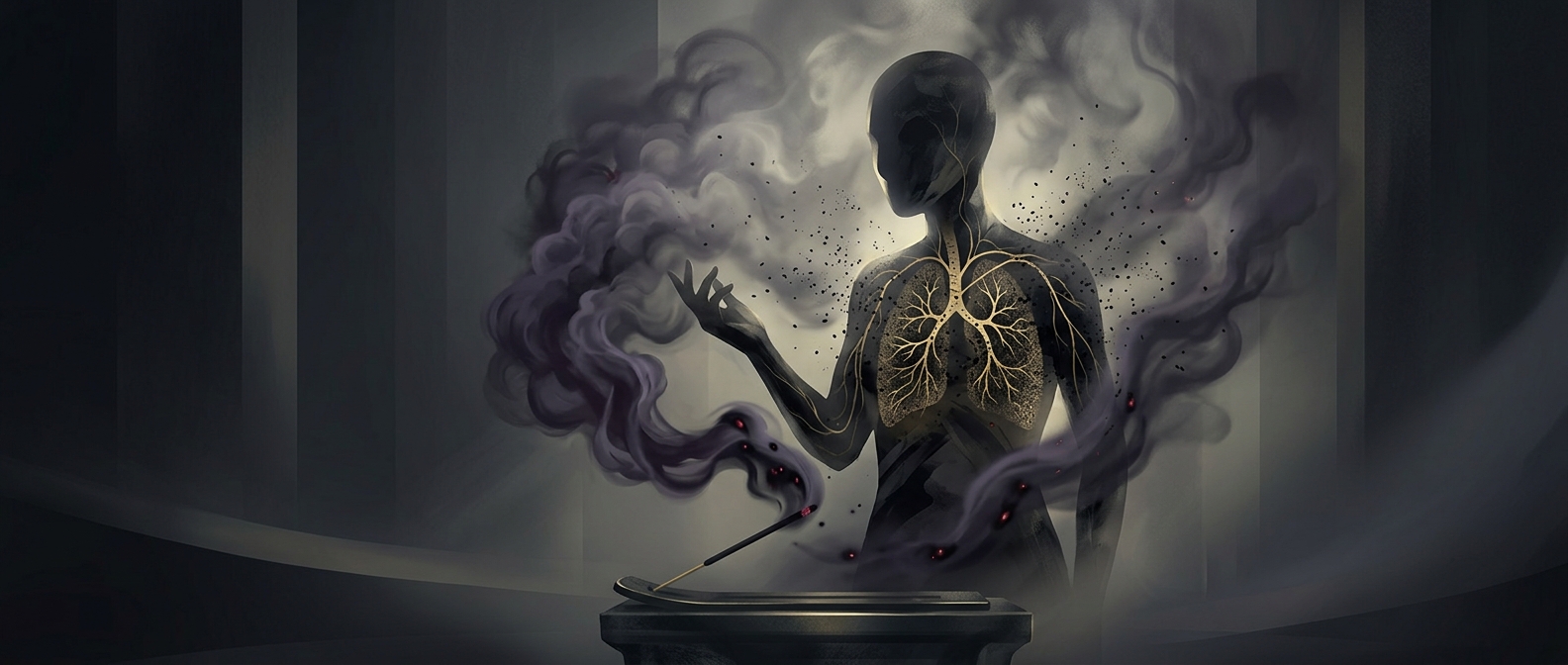
An incense stick does not simply release fragrance. As it smolders, its materials burn incompletely, producing a mixture of gases and tiny airborne particles. The smallest particles can travel deep into the respiratory system rather than settling quickly on nearby surfaces.
That matters because the nose’s larger airways can trap some dust, but very fine particles may reach the small air sacs where oxygen passes into the blood. Smoke can also contain irritating combustion byproducts, so a strong scent is not a reliable sign that the air is clean—or that exposure is harmless.
Why the room changes the exposure
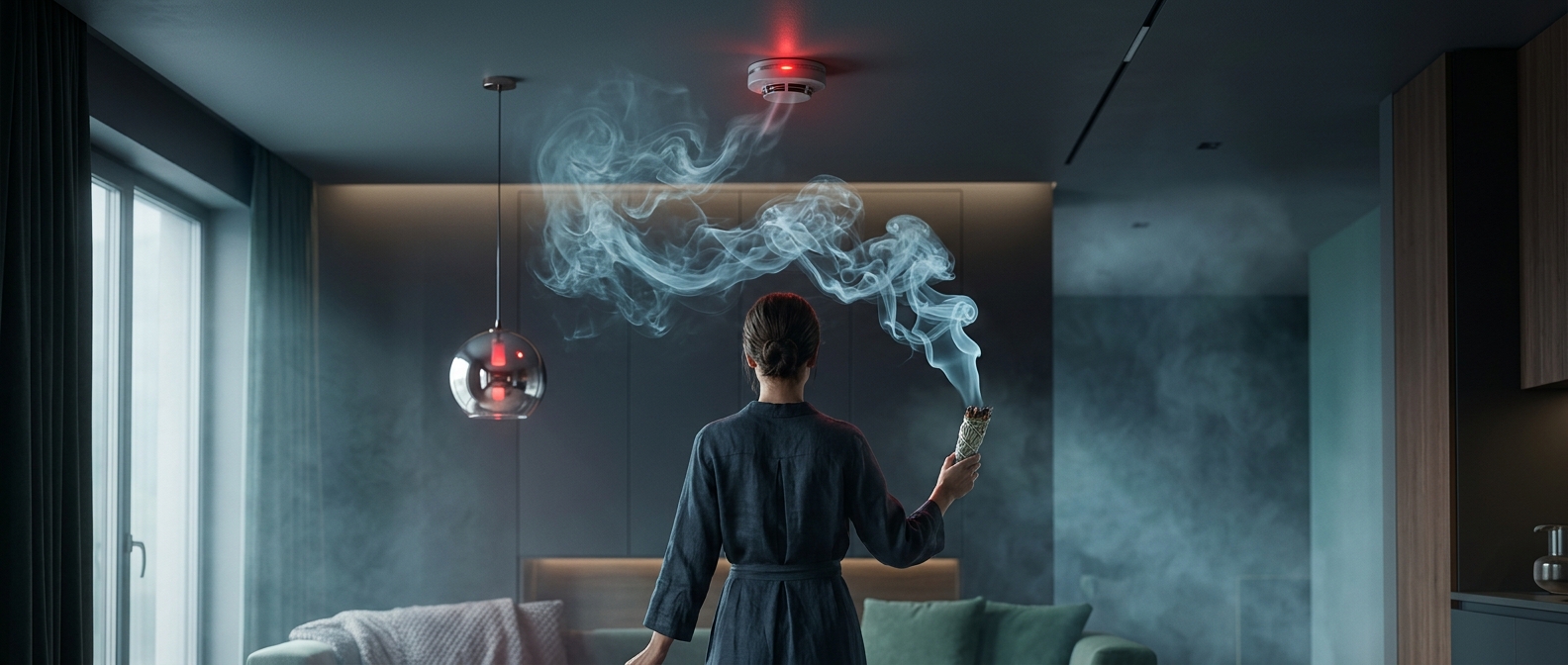
In a small room with little fresh-air exchange, smoke accumulates instead of dispersing. The longer incense burns and the more often it is used, the more opportunity there is for people in the room to breathe the mixture. Opening a window or using effective ventilation can help carry it outdoors, though it does not make smoke disappear at the source.
People with asthma or other sensitive airways may notice irritation sooner, but anyone nearby can inhale the particles. If incense is part of a ritual or household practice, burning less at a time and keeping it away from occupied, poorly ventilated rooms can reduce exposure. The key detail is easy to miss: the smoke remains in the room even after the visible plume thins.