Why white sage is more than a scent
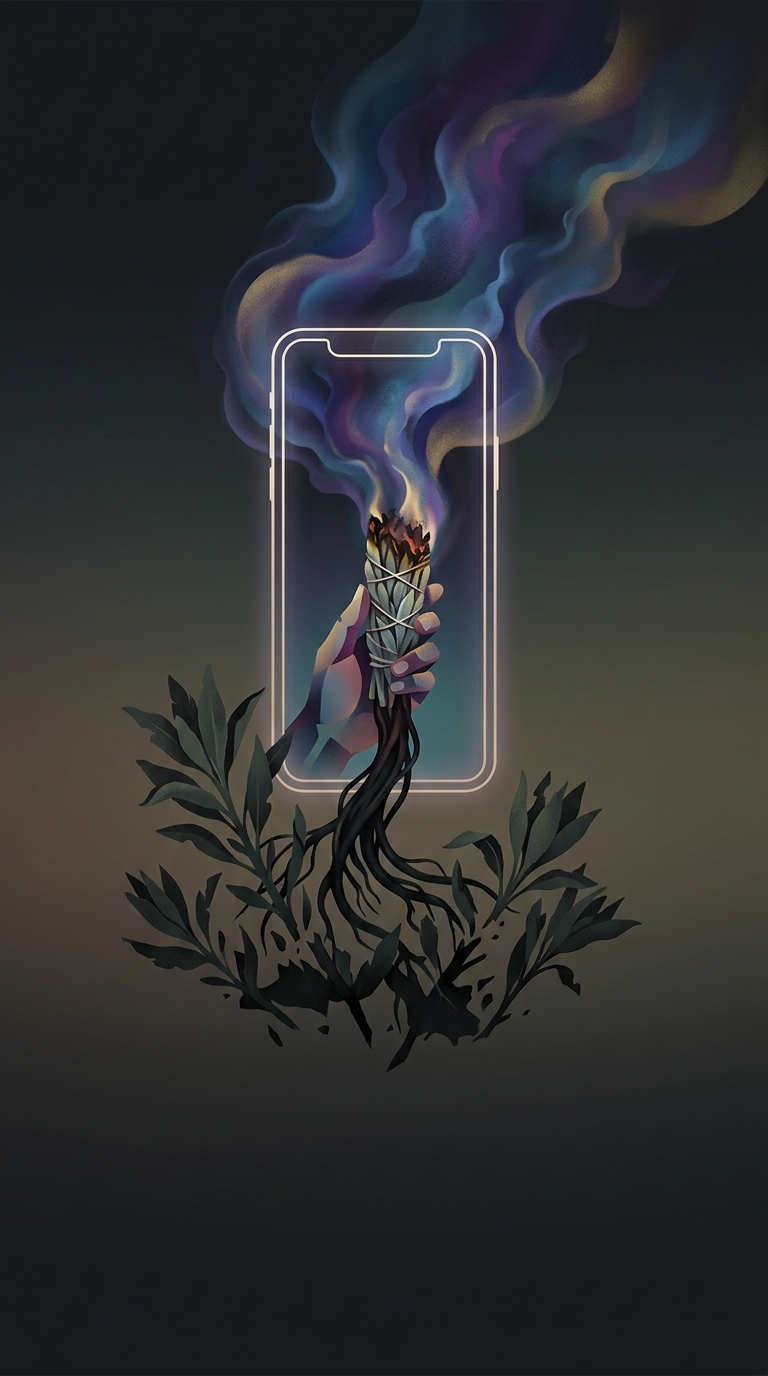
White sage (Salvia apiana) is a plant native to parts of the southwestern United States and northwestern Mexico. For some Indigenous peoples, it has a place in longstanding cultural and spiritual practices. Those traditions are not interchangeable: meanings, protocols, and who may gather or use the plant differ among communities.
That context matters because the plant is not simply a generic tool for changing a room’s mood. When its use is detached from the people and traditions that sustain it, a sacred practice can be reduced to an aesthetic product—often sold with little indication of where the plant came from or whether it was gathered responsibly.
What harvesting takes from a wild population
White sage grows in habitats where plants face pressures such as development and drought. Gathering leaves can be compatible with regrowth when done carefully, but taking too much—or damaging or removing whole plants—can leave fewer plants to reproduce and replenish a local population. Wild collection is particularly difficult to assess when buyers cannot trace a bundle to its source.
Reports of unauthorized harvesting on public land have raised concern about pressure on wild stands. That does not mean every bundle is illegally gathered, or that the species is on the brink of extinction. It does mean that rising demand, combined with opaque supply chains, can make ecological harm and access harder to manage.
The choice behind the ritual
For Native people, commercial demand can have a second cost: less access to a plant with cultural significance, alongside the loss of control over how its use is represented. A person seeking a cleansing ritual may not intend either harm, but good intentions do not establish that a product was sustainably sourced or make a tradition context-free.
The practical distinction is between treating white sage as a fashionable commodity and understanding it as a living plant gathered from particular lands and used within particular traditions. Asking where it came from—and choosing not to buy it when that cannot be answered—can reduce pressure on wild plants while leaving room to learn about the traditions without claiming them as one’s own.