How a Theosophist reshaped the chakra map
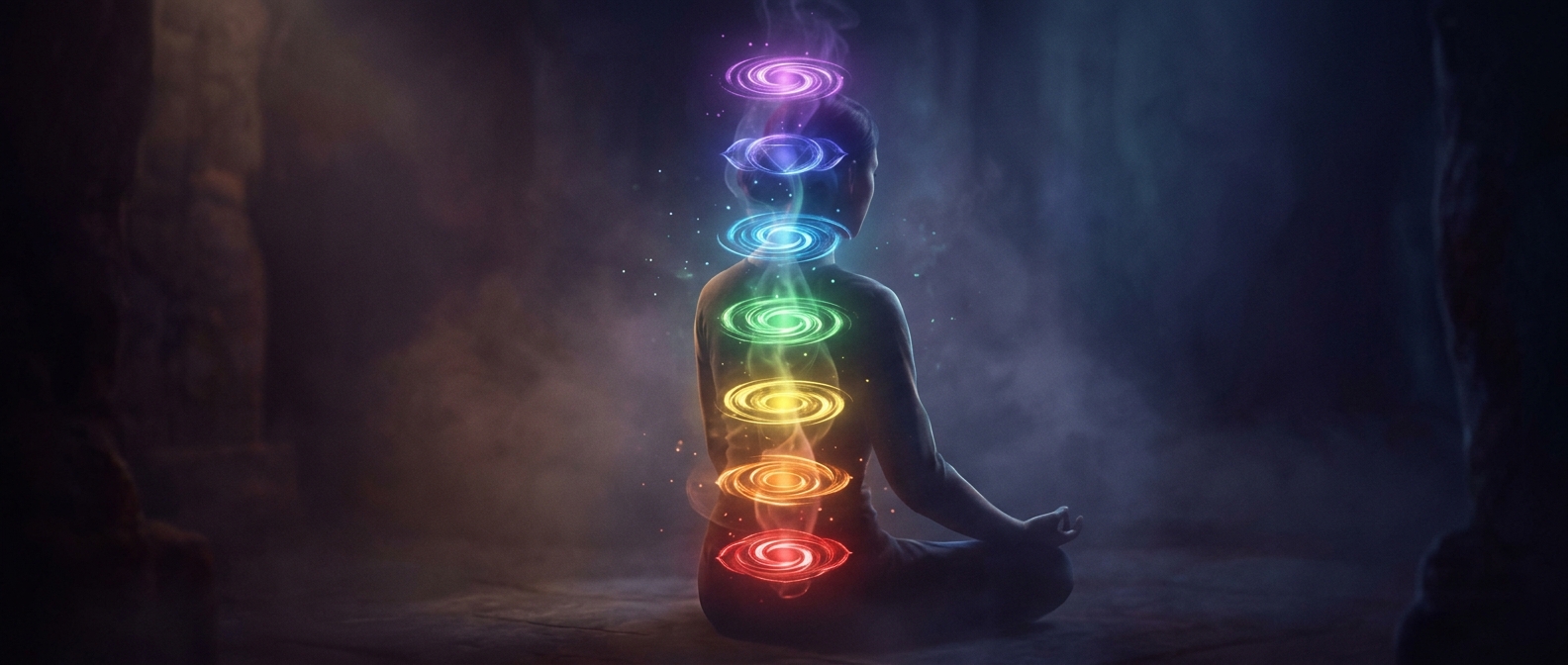
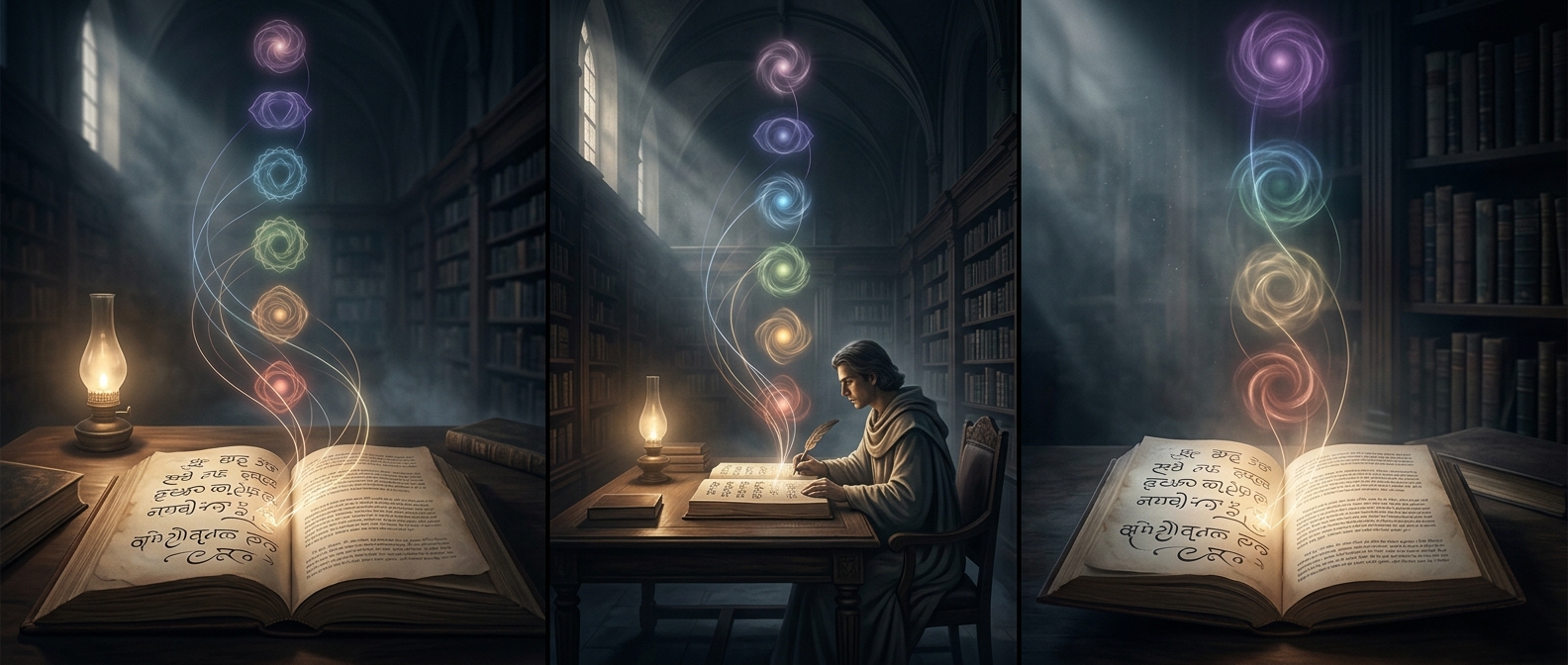
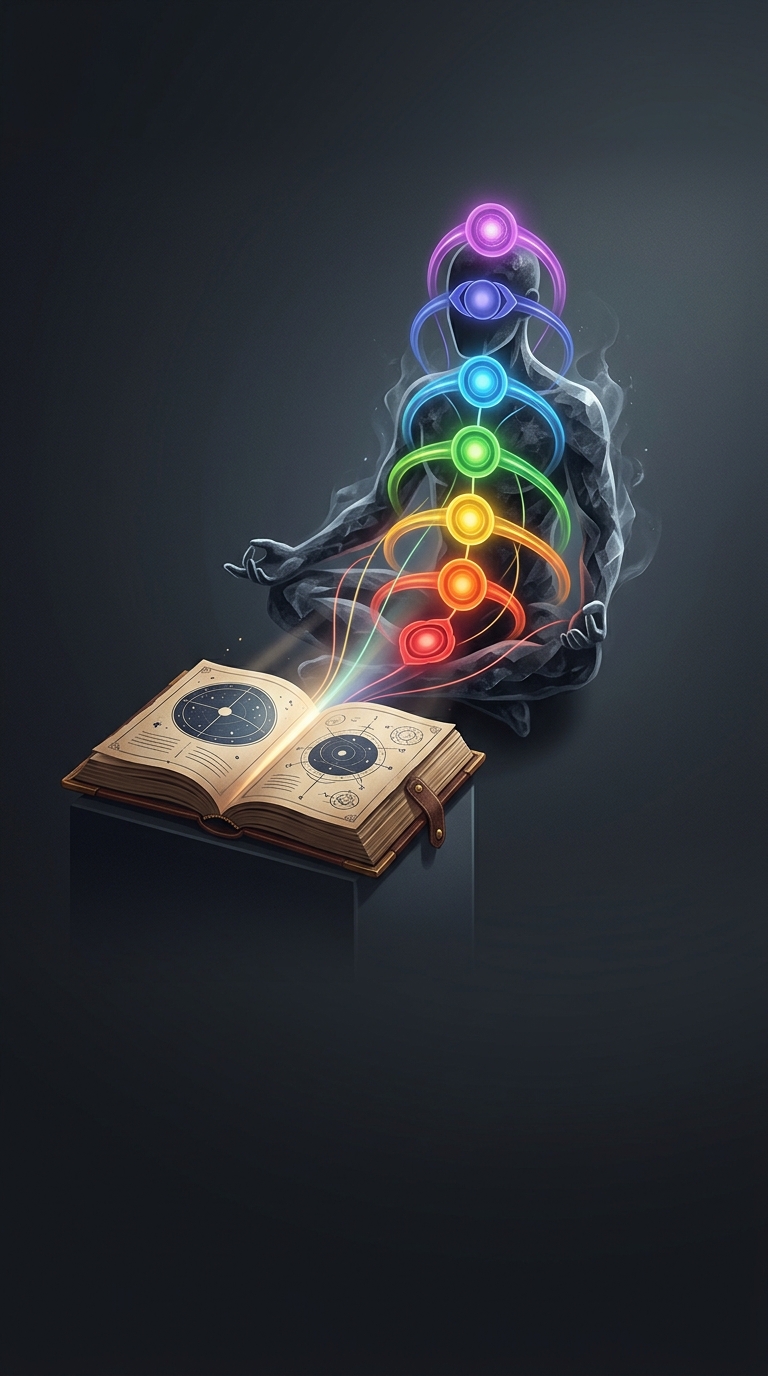
The seven colored chakras familiar from many modern yoga and wellness settings owe much to a particular twentieth-century interpretation. In The Chakras (1927), the British Theosophist Charles Webster Leadbeater presented the centers as spinning vortices in a subtle, invisible body. He said he perceived them clairvoyantly and gave them vivid colors, helping turn an intricate spiritual subject into a striking visual system that could be reproduced in diagrams and books.
Leadbeater was not introducing chakras from scratch. The idea of subtle centers belongs to older South Asian religious traditions, including Hindu tantric traditions. But those traditions do not offer one universal chart: texts and practices differ in the number of centers, their locations, and the symbols or colors associated with them. Leadbeater’s presentation filtered this varied material through Theosophy, a modern esoteric movement that blended ideas from several religions and proposed hidden levels of reality.
Why the rainbow version traveled
Color made the system easy to remember. A reader could picture a vertical sequence of centers and associate each with a distinct hue, rather than first mastering the ritual, symbolic, and philosophical context found in particular tantric sources. Leadbeater’s book also gave this interpretation a portable form: a set of named, illustrated centers that later writers could repeat and adapt.
That influence is not the same as proof that all older traditions used his color scheme, or that chakras are physical structures visible to scientific instruments. The useful distinction is between a long, diverse religious history and one influential modern presentation of it. When a contemporary chart shows seven centers arranged in rainbow order, it is often drawing on that modern esoteric lineage—not reproducing a single timeless map shared across Hindu traditions.