How chakra teachings traveled through books
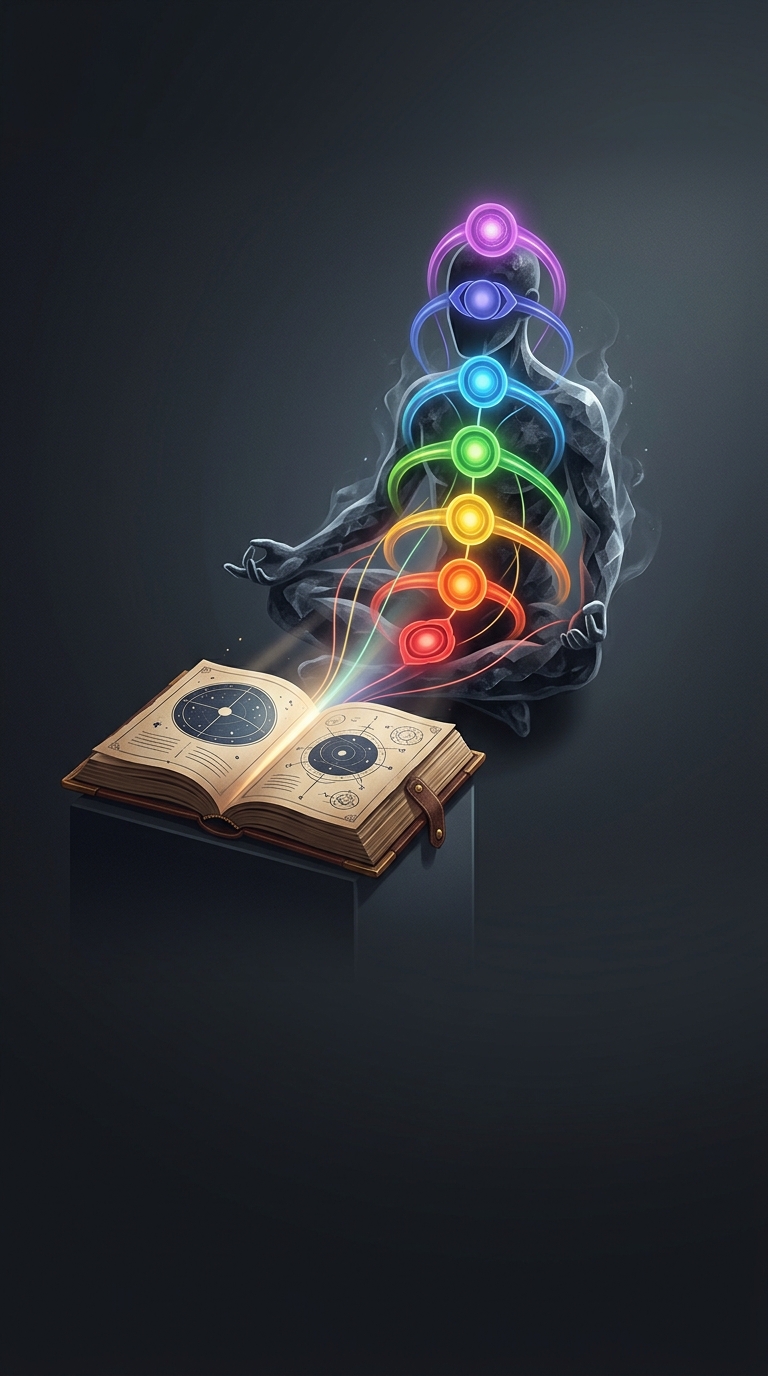
“Chakra” means “wheel” in Sanskrit, but the idea does not refer to one fixed system shared across all Indian traditions. Different Hindu and Buddhist tantric texts describe different arrangements and meanings for these subtle centers. In some practices, they serve as guides for meditation and ritual, not as anatomical organs.
Written texts helped carry these ideas beyond the communities in which they developed. In the early 20th century, English translations and interpretations of tantric writings introduced chakra diagrams and teachings to Western readers. The influential writer Arthur Avalon, a pen name used by John Woodroffe, helped bring one such system to a broad English-speaking audience through his work on the six chakras.
From varied teachings to a portable system
Once presented in books, chakra teachings could be summarized, illustrated, and taught far from their original ritual settings. That made them easier to encounter—but also encouraged readers to treat one text’s particular map as a universal one. Later wellness presentations often made the centers still more portable, linking them to colors, moods, or products.
The result is a modern blend rather than a simple, unchanged inheritance: written traditions supplied the material, while translators, teachers, and marketers shaped how Western audiences came to recognize it. A familiar seven-center chart is therefore best understood as one influential presentation, not the sole chakra system found across the traditions that use the term.