What “without qualities” means in Nirguna Brahman
In Hindu philosophy, Brahman is the ultimate reality underlying existence. Nirguna means “without qualities” or “without attributes.” The phrase does not mean that reality is empty or nonexistent. It means that no describable feature—such as a shape, color, personality, or emotion—can define the ultimate.
That distinction matters because ordinary thought works by identifying and comparing things: this is large, that is kind, this has a form. Nirguna Brahman is understood as prior to those distinctions, not as one more object among them. Descriptions can point toward it, but each description risks making it sound limited to a particular feature.
Why images present a challenge
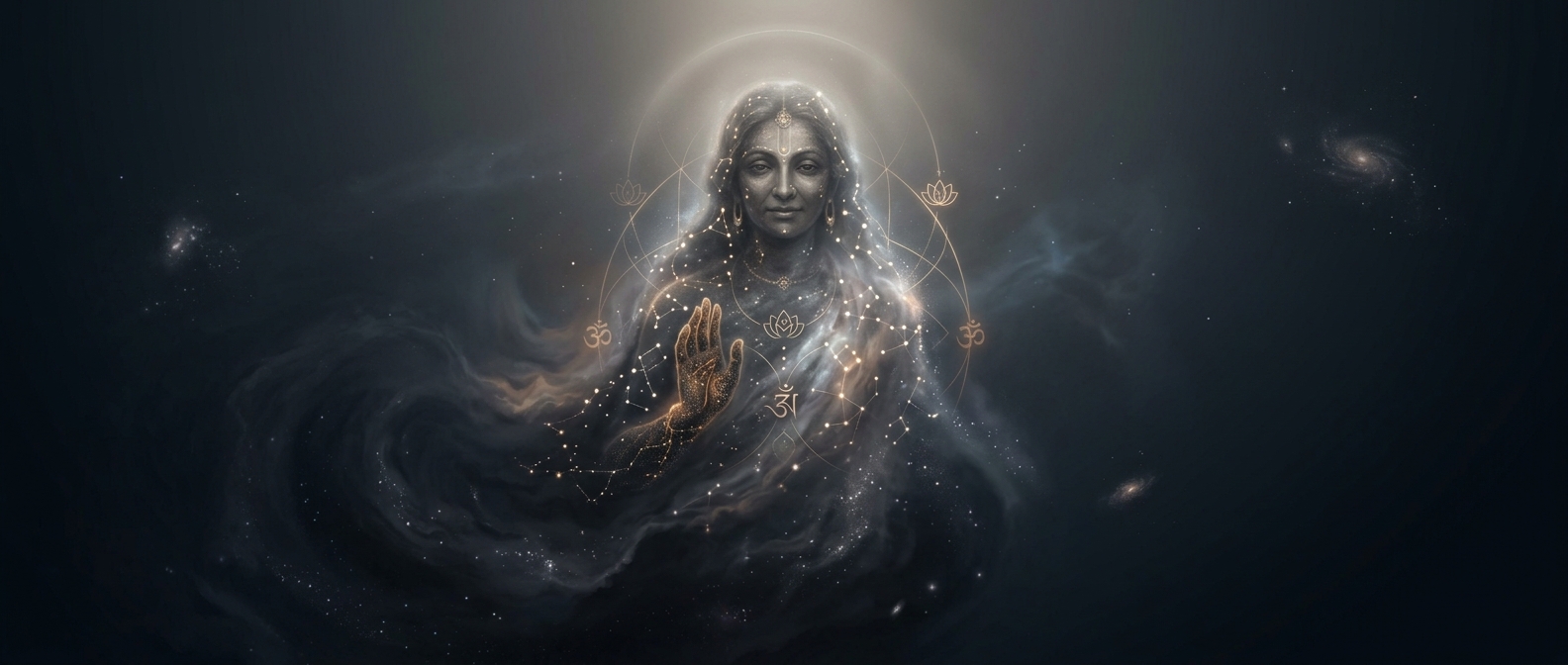
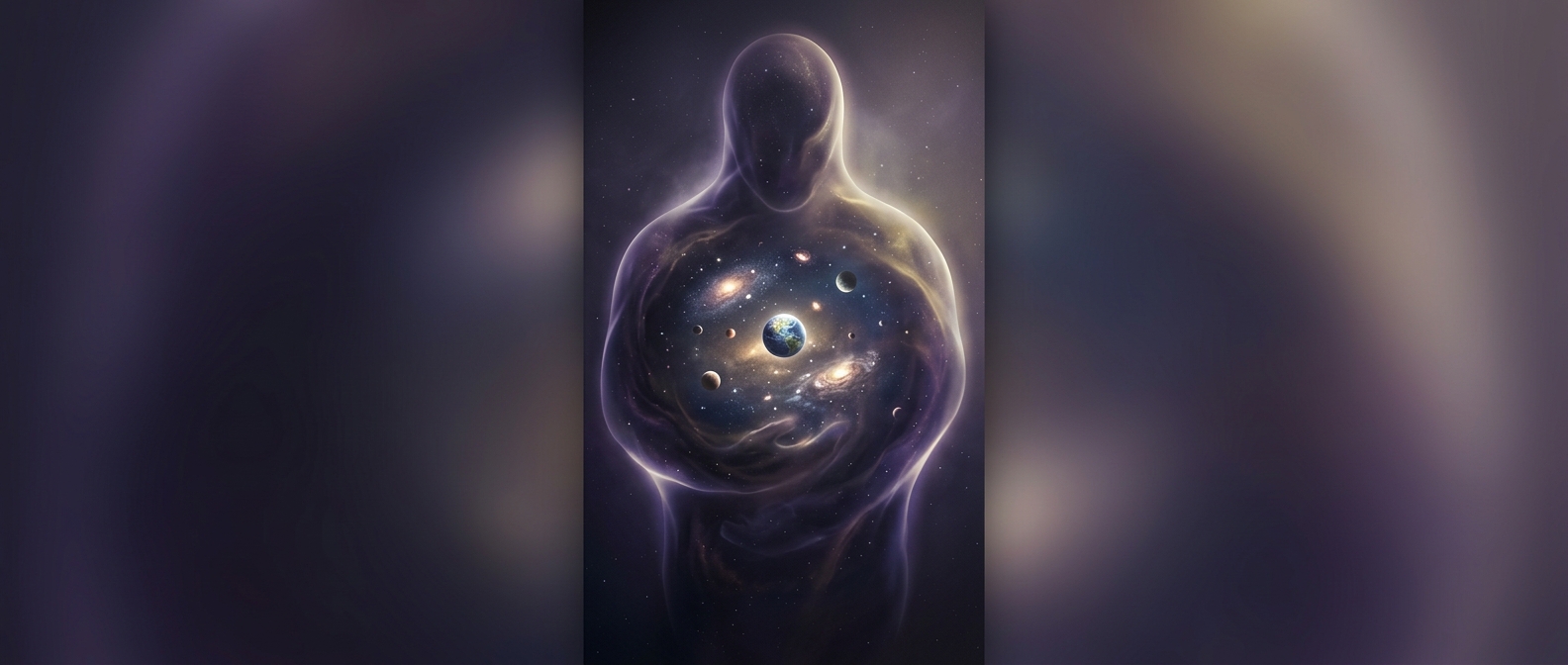
A painting makes its subject visible by giving it boundaries: a body, a face, a setting, perhaps recognizable gestures. Those choices can be powerful ways to express religious ideas, but they necessarily assign a form to what Nirguna Brahman, by definition, exceeds. The difficulty is conceptual as much as artistic: an image cannot show “without form” in the same direct way it can show a person or a landscape.
This does not mean Hindu art has no images of the divine. Hindu traditions also speak of Saguna Brahman—Brahman understood through qualities and forms—which can be approached through personal deities and devotional imagery. The two terms describe different ways of understanding the ultimate, rather than simply competing claims about whether images are allowed.
A limit that shapes religious language
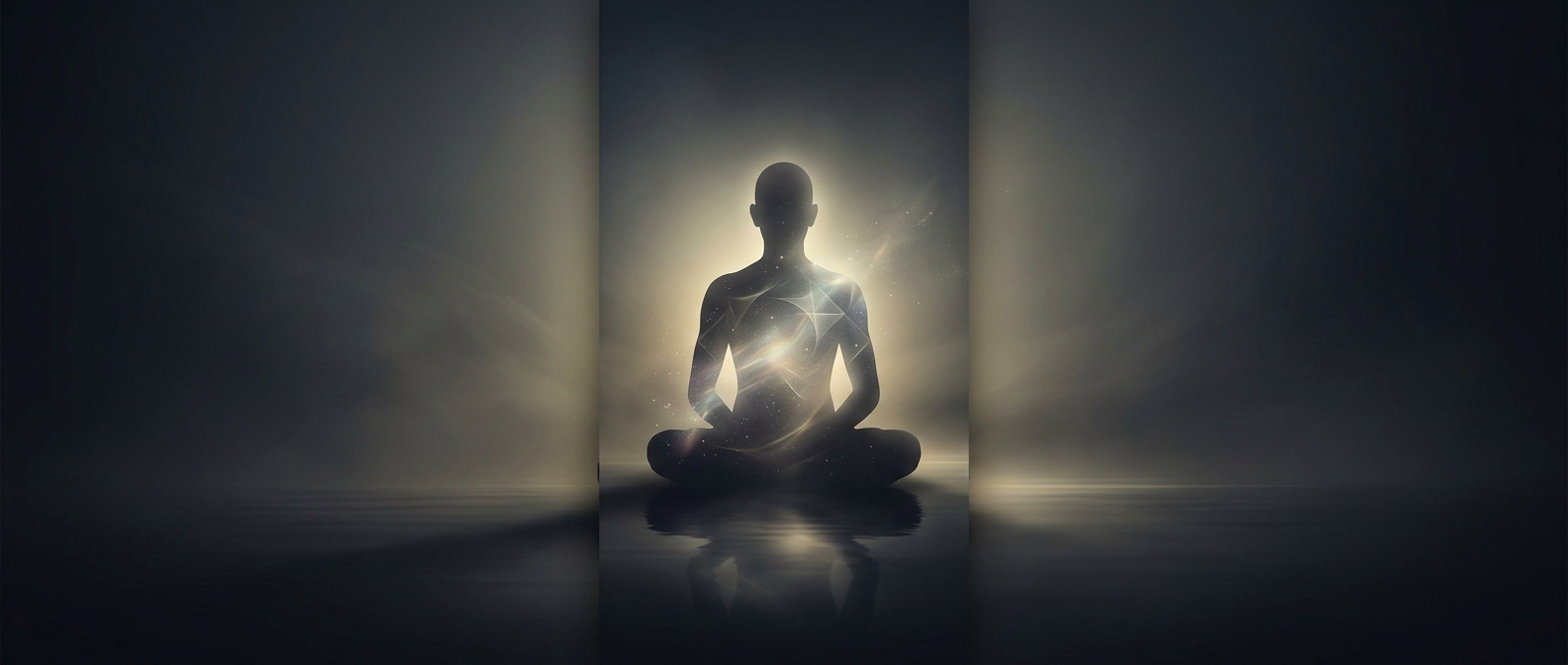
For Nirguna Brahman, silence, meditation, or a brief statement may seem more fitting than a portrait, because they do not pin the ultimate down to a visible identity. Even words such as “beyond qualities” remain pointers rather than complete definitions. The central implication is that, in this view, the inability to depict ultimate reality is not a failure of art; it follows from what the reality is said to be.