How the Formless Becomes Approachable
In Hindu philosophy, Brahman is the ultimate reality: not one being among others, but the ground of existence itself. It is often described as beyond ordinary categories such as shape, personality, and limitation. That can make it difficult to imagine what it means to worship or seek a relationship with the absolute.
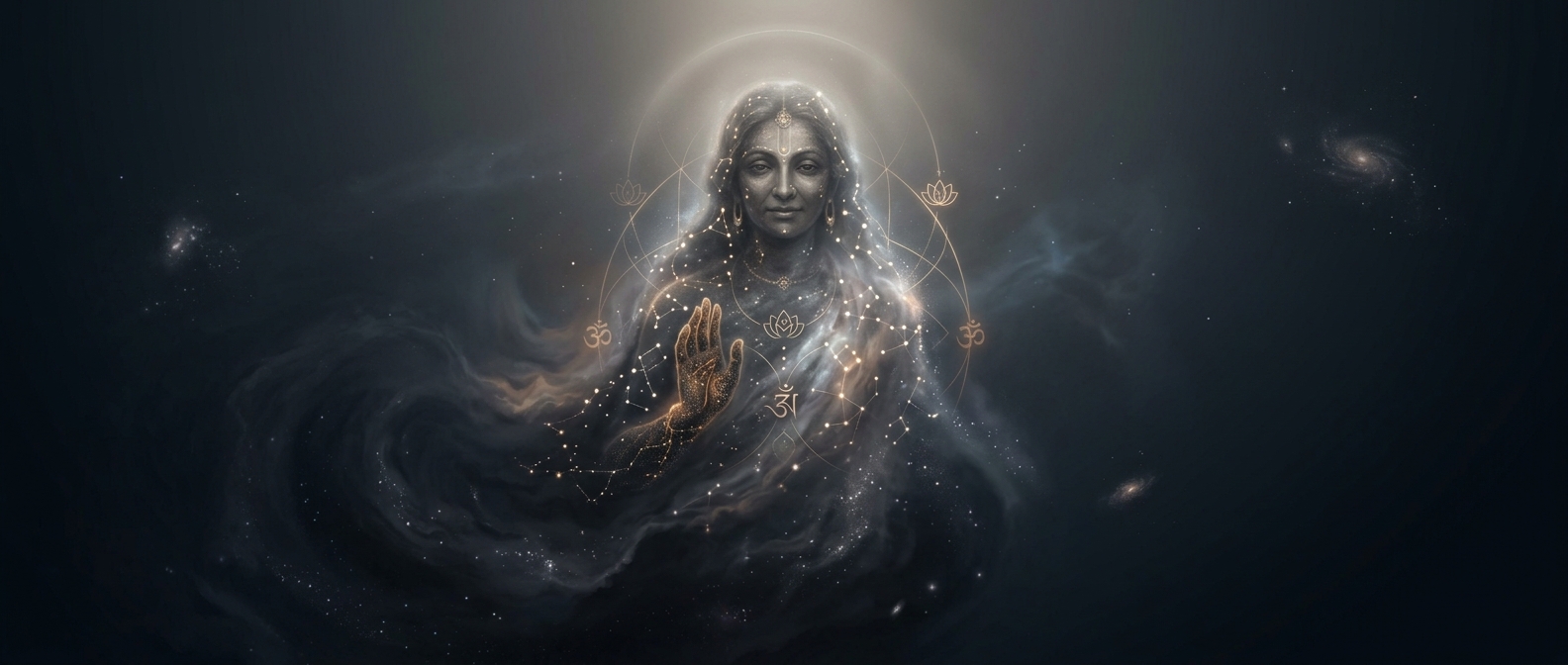
Saguna Brahman offers a way to approach that difficulty. Saguna means “with qualities”: the infinite is understood through attributes and forms that people can recognize, such as wisdom, compassion, or creative power. In devotional traditions, these qualities may be associated with a personal deity. The form is not necessarily treated as a limit on the divine; it is a way the divine can become intelligible to human minds.
A Focus for Devotion
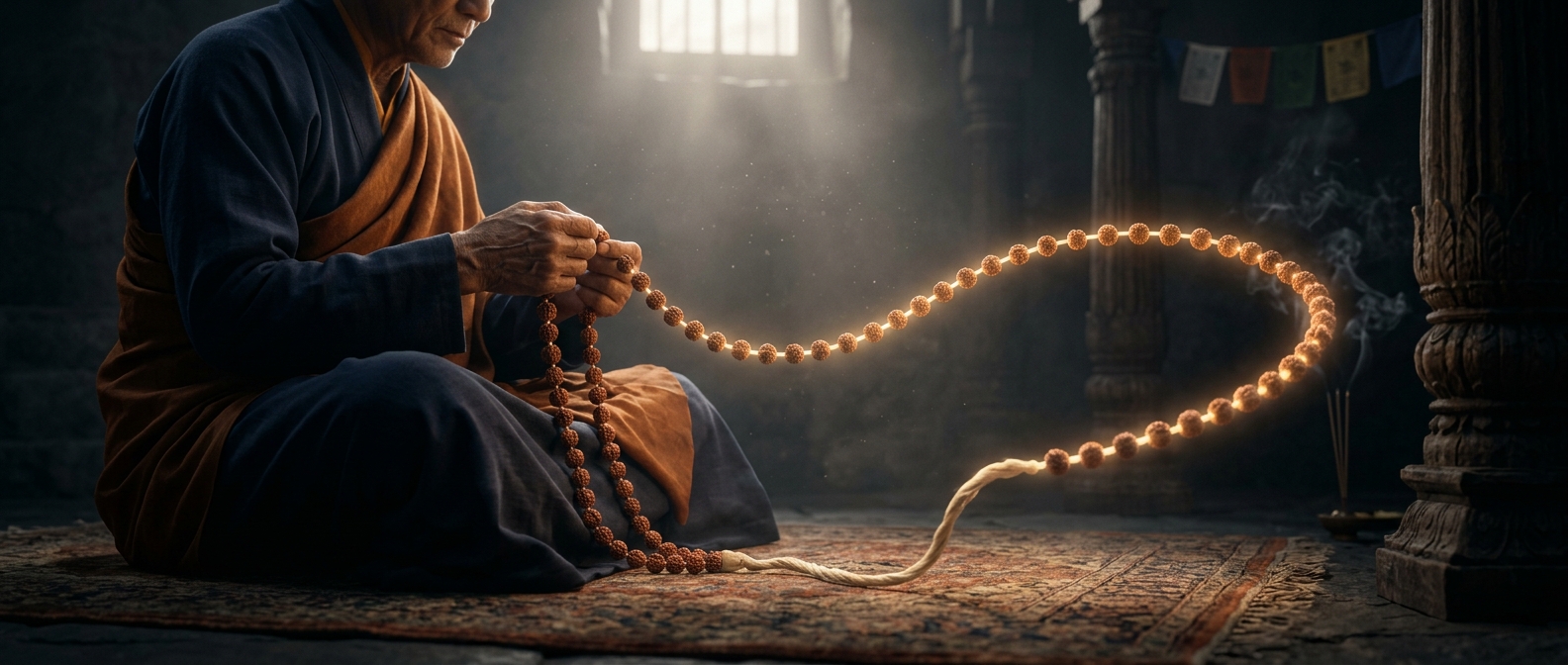
A worshipper can direct prayer, love, and attention toward a deity with a name and recognizable character rather than toward an abstraction with no features. Stories, images, and rituals give those qualities a concrete setting: compassion can be pictured in an act of protection, for example, while devotion becomes a relationship expressed through prayer or service.
This does not mean every Hindu school understands the relationship between the personal and the absolute in the same way. Some emphasize the personal divine as the highest reality; others treat forms and attributes as ways of approaching a reality that ultimately exceeds them. The shared practical insight is that a finite image or name can serve as a point of attention without exhausting what is infinite.
The Form Is a Path, Not a Container
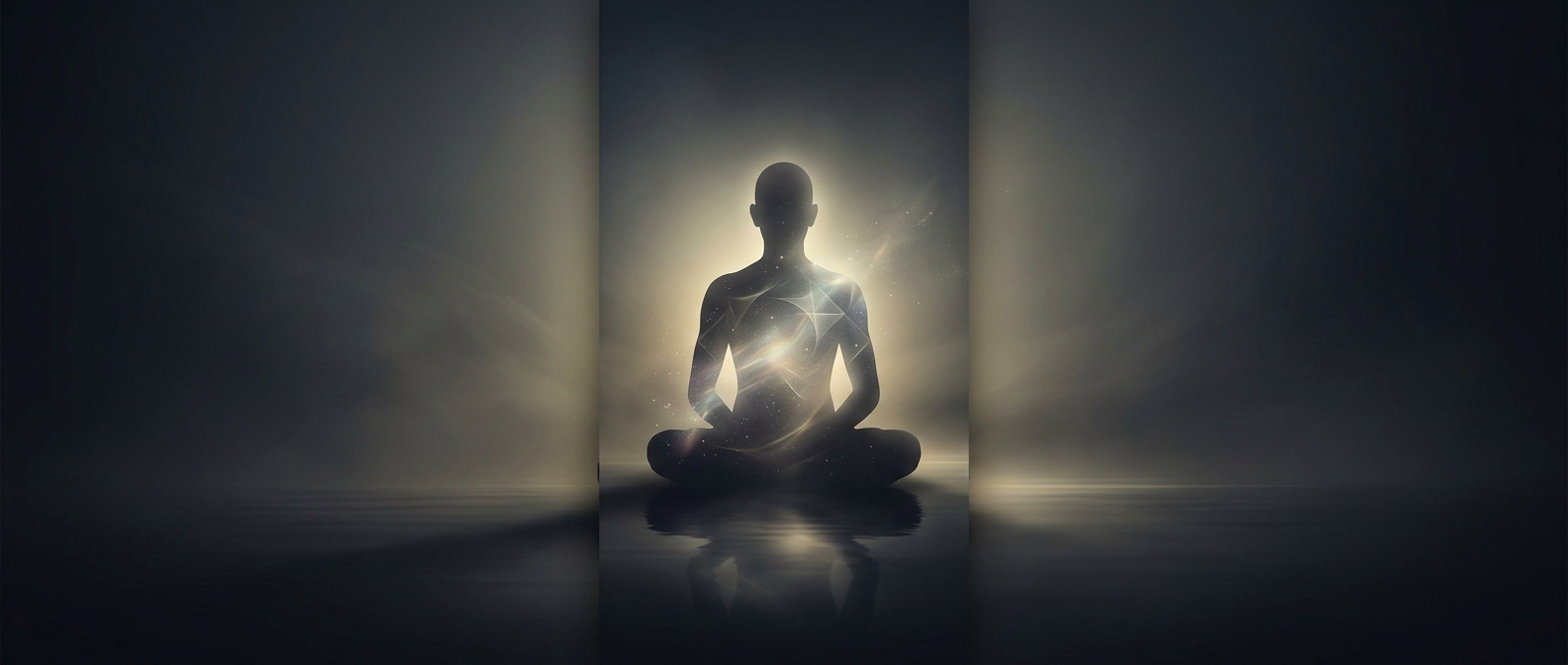
The distinction is often paired with nirguna Brahman, Brahman understood “without qualities.” The contrast is not simply between a real deity and an unreal one. It asks how people can encounter what surpasses ordinary description: through a personal form that invites relationship, through contemplation of the formless, or through both. A symbol can make the vastness approachable while still pointing beyond itself.