What a chakra map is meant to describe
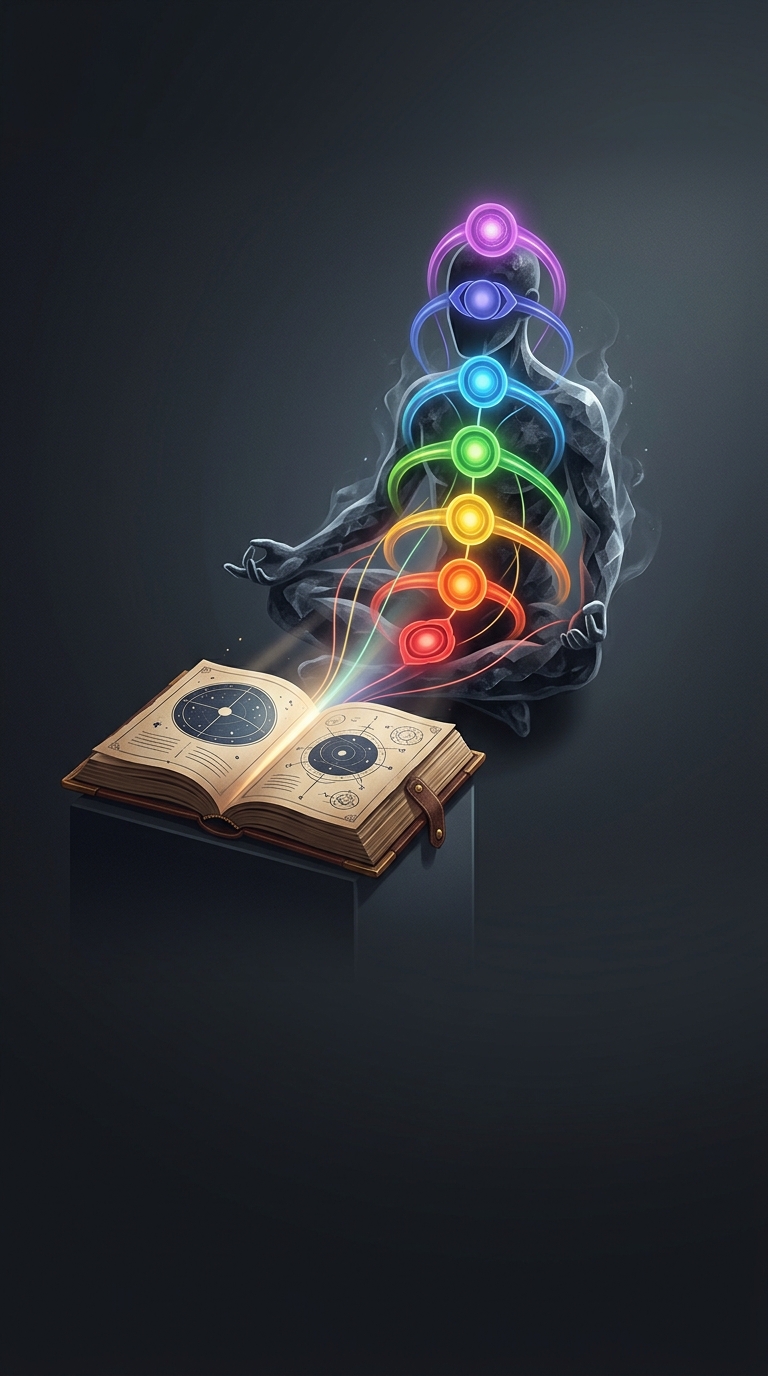
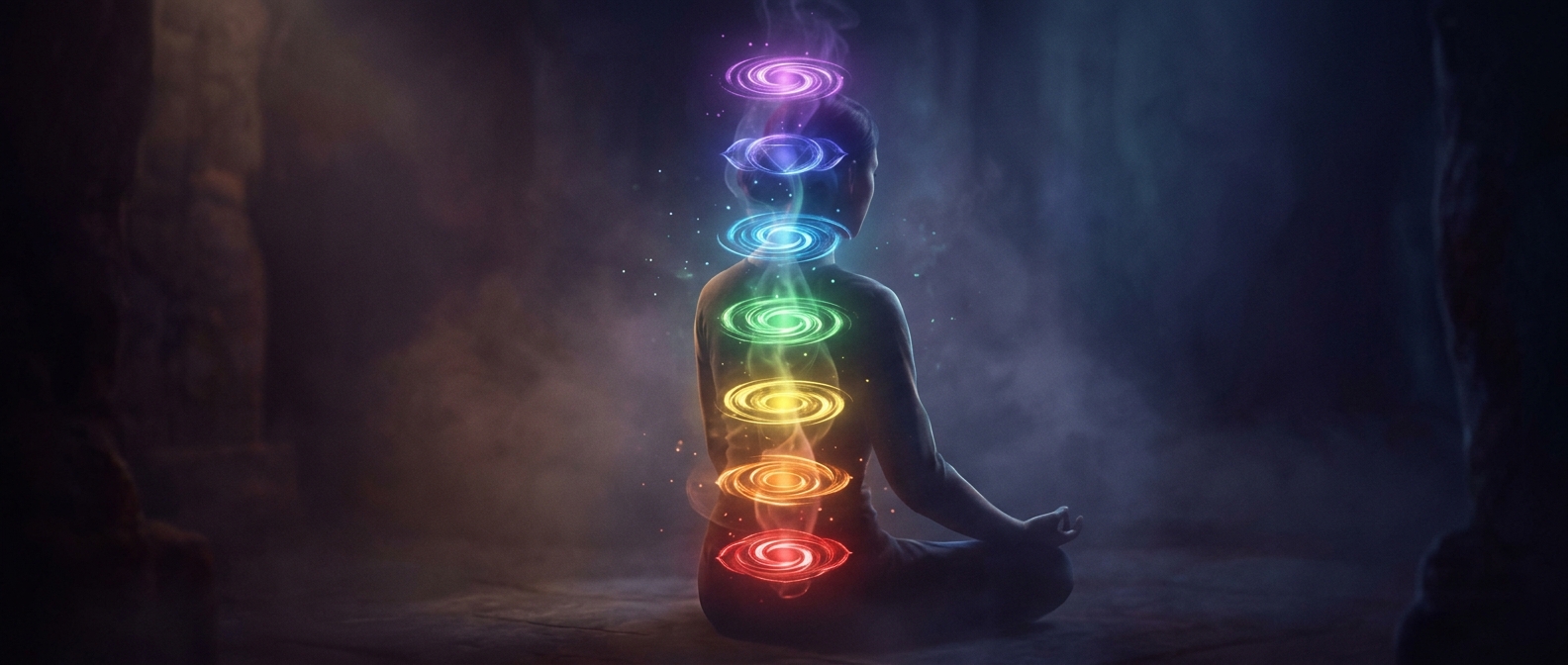
“Chakra” is a Sanskrit word meaning “wheel.” In chakra traditions, the wheels are part of a subtle body: a spiritual map of experience, not a set of physical organs. Many modern presentations describe seven centers arranged from the base of the spine to the crown of the head, associating them with themes such as security, connection, expression, and attention. The details vary across traditions and teachers.
From spiritual map to personal reflection
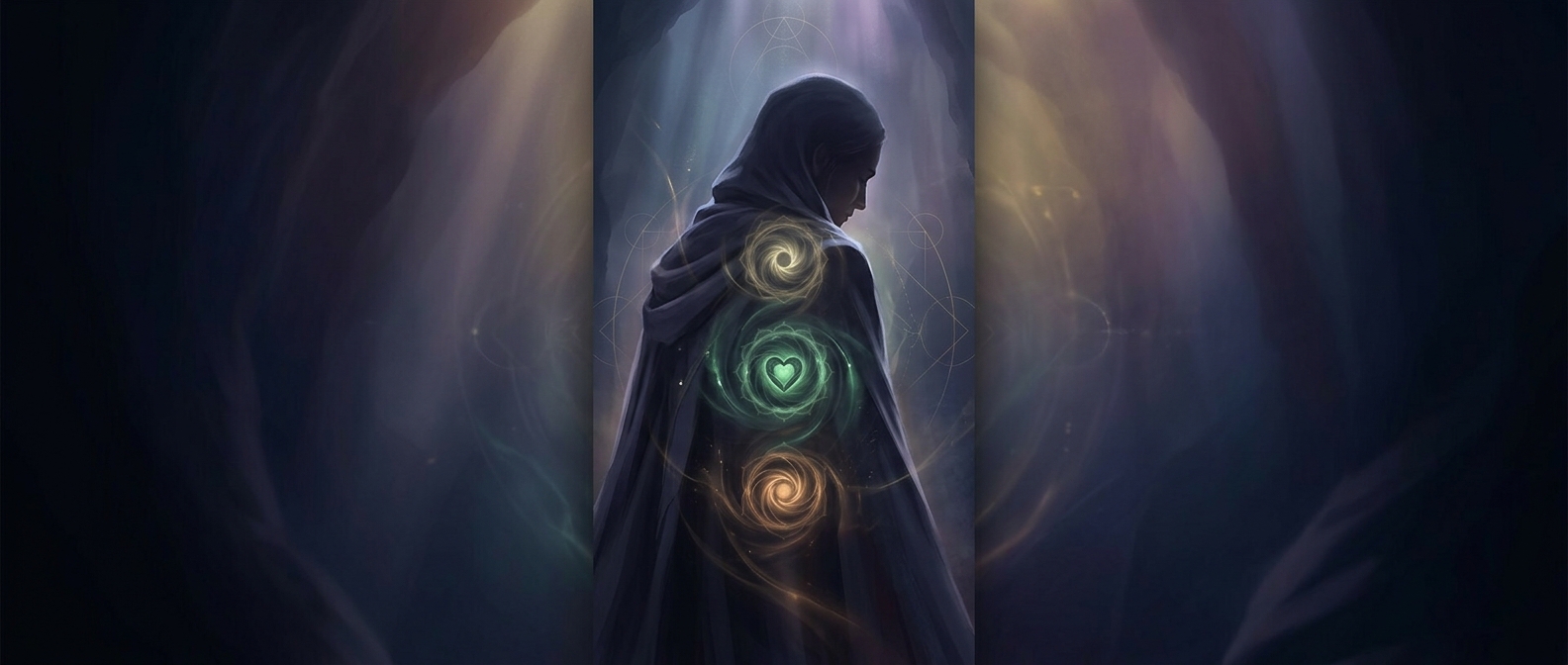
A chakra framework gives practitioners a way to notice patterns in their inner lives. Someone who feels withdrawn, for example, might use a heart-centered practice to reflect on connection; someone struggling to speak openly might focus on the throat center. Meditation, breathwork, movement, or visualization can make that focus tangible, turning an abstract concern into something to attend to during practice.
Within this worldview, a difficulty may be described as blocked or out of balance. That language expresses a spiritual interpretation of a person’s experience; it is not a medical diagnosis or proof that an invisible energy system controls mood. The practical effect is often the reflection itself: a feeling such as low motivation becomes a prompt to ask what feels stuck, neglected, or in need of care.