A grand house at the edge of the falls
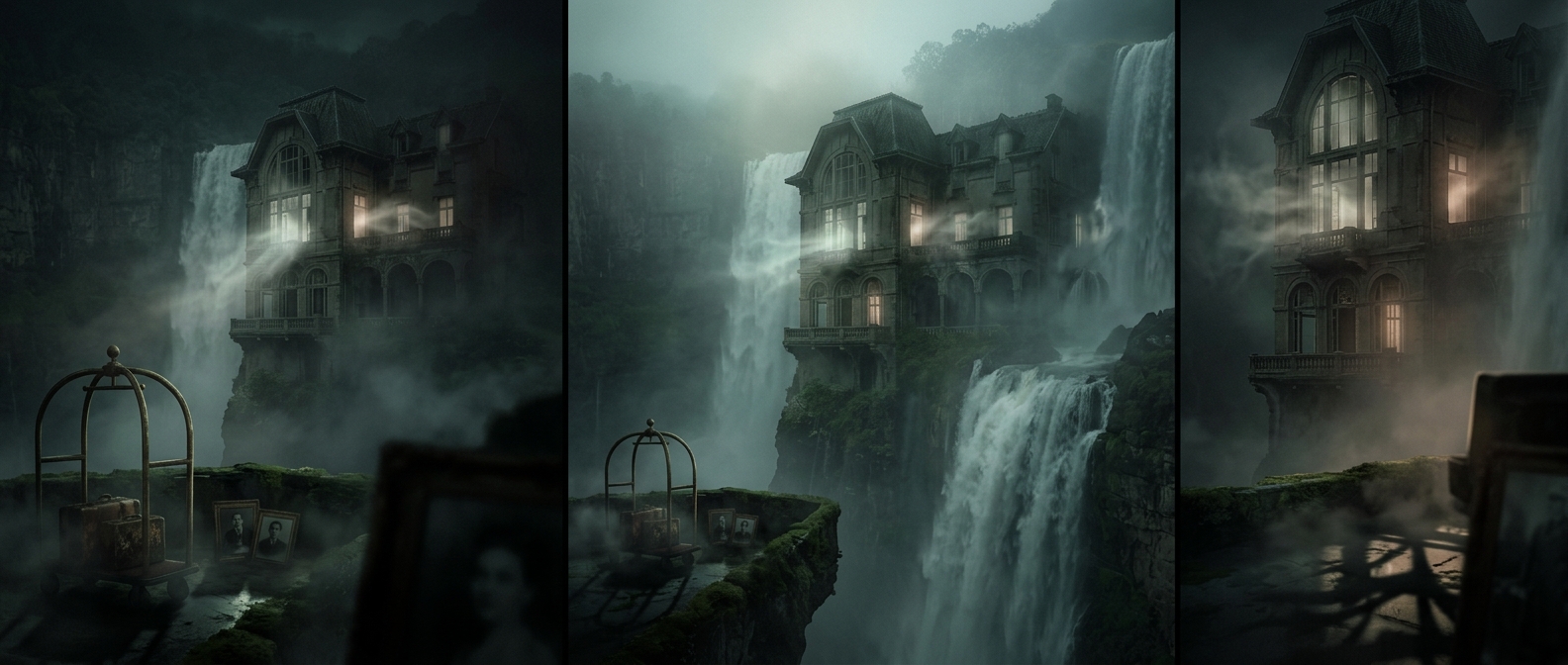
The mansion now known as the Tequendama Falls museum was built in the 1920s, when the landscape itself was part of its appeal. Set above a dramatic drop in the Bogotá River, it offered Colombia’s elite a striking retreat from the capital. The building’s position made the view inseparable from the experience: the river was not a backdrop but the force that created the landmark below.
When the river changed, so did the setting
The Bogotá River also carries the consequences of life upstream. As the city grew, untreated wastewater turned stretches of the river into an open sewer. That pollution weakened the scenic appeal of the area, while declining business further undercut the mansion’s usefulness. Together, those changes helped leave the once-fashionable property abandoned.
The contrast is unusually visible here: a grand house remains perched above a natural spectacle, while the river that feeds it tells a less picturesque story about urban growth and waste. The mansion’s deterioration was tied not just to changing tastes, but to a landscape altered by what flowed into it.
From abandoned landmark to museum
Restoration gave the building a new purpose as a museum. Visitors can now encounter both sides of the site’s history—the architecture associated with elite leisure and the environmental problems that helped bring that era to an end. Its eerie reputation fits the empty rooms and cliffside setting, but the more unsettling story is concrete: a celebrated retreat lost its appeal as the river became polluted.